

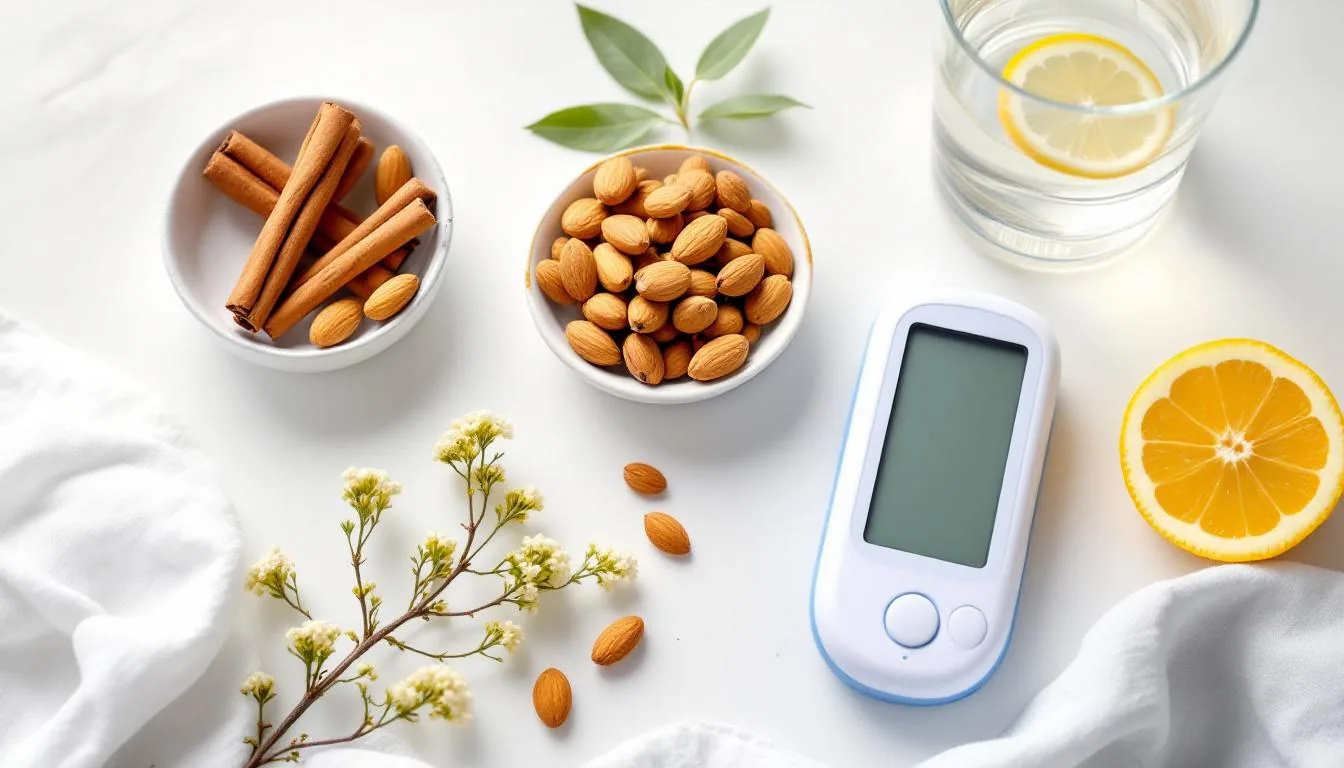
Medical Disclaimer: This article is for informational purposes only and does not constitute medical advice. Blood sugar management is a serious medical concern. Always consult a qualified healthcare provider before starting any supplement, especially if you have diabetes or take glucose-lowering medications. Supplements are not a substitute for prescribed treatments, a balanced diet, or regular physical activity.
Introduction
Blood sugar regulation is fundamental to metabolic health, and poor glucose control may contribute to a range of chronic conditions including type 2 diabetes, cardiovascular disease, and metabolic syndrome. While diet, exercise, and medication remain the cornerstones of blood sugar management, many people explore dietary supplements as complementary support.
The supplement market is flooded with "blood sugar support" products, making it difficult to separate evidence-based options from marketing hype. This guide examines the most researched blood sugar supplements, evaluates the strength of evidence behind each, and provides practical context for informed decision-making.
Understanding Blood Sugar Regulation
Before evaluating supplements, it helps to understand how the body regulates glucose. After eating, carbohydrates are broken down into glucose, which enters the bloodstream. The pancreas releases insulin, signaling cells to absorb glucose for energy. Problems arise when cells become less responsive to insulin (insulin resistance) or when the pancreas cannot produce sufficient insulin.
Key markers of blood sugar health include:
- Fasting blood glucose: Normal is below 100 mg/dL
- HbA1c: Reflects average blood sugar over 2–3 months; normal is below 5.7%
- Postprandial glucose: Blood sugar after meals; ideally below 140 mg/dL at 2 hours
The gut microbiome also appears to play a role in glucose metabolism. Certain bacterial species may influence insulin sensitivity, carbohydrate metabolism, and inflammatory pathways that affect how the body processes sugar. Learn more about the microbiome's role in glucose regulation.
Supplement-by-Supplement Evidence Review
Berberine — Strong Evidence
Berberine is a plant alkaloid found in goldenseal, barberry, and Oregon grape. It is among the most studied natural compounds for blood sugar management.
What the research shows: A landmark 2008 trial found berberine lowered HbA1c and fasting blood glucose comparably to metformin in newly diagnosed type 2 diabetes patients.[1] Multiple meta-analyses have since confirmed modest but significant glucose-lowering effects. Berberine appears to work through AMP-activated protein kinase (AMPK) activation, which enhances insulin sensitivity and glucose uptake.
Typical dose: 500 mg two to three times daily with meals.
Cautions: Berberine can interact with cytochrome P450 enzymes, affecting metabolism of many medications. Gastrointestinal side effects (cramping, diarrhea) are common. Not recommended during pregnancy.
Evidence level: Strong — multiple RCTs and meta-analyses support glucose-lowering effects.
Chromium — Moderate Evidence
Chromium is a trace mineral involved in insulin signaling. Chromium picolinate is the most studied supplemental form.
What the research shows: A systematic review of 41 trials found chromium supplementation improved HbA1c and fasting glucose in people with type 2 diabetes, though effect sizes were modest.[2] Benefits appear most pronounced in individuals with existing chromium deficiency or poor glycemic control.
Typical dose: 200–1,000 mcg daily as chromium picolinate.
Cautions: Generally well tolerated at recommended doses. High doses may cause kidney or liver damage in rare cases. May interact with diabetes medications.
Evidence level: Moderate — evidence is positive but inconsistent, with small effect sizes.
Cinnamon — Mixed Evidence
Cinnamon, particularly Ceylon cinnamon (Cinnamomum verum), has been studied for potential glucose-lowering properties.
What the research shows: Meta-analyses show conflicting results.[3] Some analyses find modest reductions in fasting blood glucose (approximately 10–25 mg/dL), while others find no significant effect. Variability in cinnamon type, dose, and study design likely explains the discrepancies.
Typical dose: 1–6 grams daily. Ceylon cinnamon is preferred over cassia cinnamon due to lower coumarin content.
Cautions: Cassia cinnamon contains coumarin, which may be hepatotoxic in large amounts. Ceylon cinnamon is generally safer for long-term use.
Evidence level: Mixed — some positive signals, but inconsistent across trials.
Alpha-Lipoic Acid (ALA) — Moderate Evidence
Alpha-lipoic acid is an antioxidant naturally produced by the body and found in foods like spinach, broccoli, and organ meats.
What the research shows: ALA appears to improve insulin sensitivity and reduce oxidative stress associated with diabetes.[6] It has also been studied for diabetic neuropathy, where intravenous ALA has shown benefits in European clinical practice. Oral supplementation data for glucose control is more limited but generally positive.
Typical dose: 300–600 mg daily.
Cautions: May lower blood sugar additively with diabetes medications, increasing hypoglycemia risk. Can affect thyroid hormone levels.
Evidence level: Moderate — supportive evidence for insulin sensitivity, but fewer large-scale glucose outcome trials.
Probiotics (Including Akkermansia) — Emerging Evidence
The gut microbiome increasingly appears connected to metabolic health, and certain probiotic organisms may support glucose regulation.
What the research shows: A meta-analysis of probiotic supplementation in type 2 diabetes found modest but significant reductions in fasting glucose and HbA1c.[5] Akkermansia muciniphila has drawn particular attention — a proof-of-concept human trial showed pasteurized Akkermansia supplementation improved insulin sensitivity and reduced insulinemia and plasma total cholesterol in overweight individuals.[4]
Multi-strain probiotics containing Lactobacillus and Bifidobacterium species have also demonstrated some benefits, though effects tend to be modest.
Typical dose: Varies by strain; most studies use 1–100 billion CFU daily.
Cautions: Generally safe, though immunocompromised individuals should consult a physician. Strain-specific effects mean not all probiotics will be equally effective.
Evidence level: Emerging — promising early data, especially for Akkermansia, but larger confirmatory trials are needed.
Fiber Supplements — Strong Evidence
Dietary fiber, particularly soluble fiber, slows glucose absorption and feeds beneficial gut bacteria that produce short-chain fatty acids involved in metabolic regulation.
What the research shows: Increased fiber intake is consistently associated with improved glycemic control.[7] Psyllium husk, in particular, has robust evidence for reducing postprandial glucose spikes. Prebiotic fibers like inulin and beta-glucan may offer additional benefits through their effects on the gut microbiome.
Typical dose: 5–15 grams of supplemental soluble fiber daily, ideally working up gradually.
Cautions: Start slowly to minimize bloating and gas. Adequate water intake is important. Fiber can affect absorption timing of certain medications.
Evidence level: Strong — well-established benefits across many trials and meta-analyses.
Evidence Summary Table
| Supplement | Evidence Level | Fasting Glucose | HbA1c | Key Consideration |
|---|---|---|---|---|
| Berberine | Strong | Significant reduction | Significant reduction | Drug interactions |
| Chromium | Moderate | Modest reduction | Modest reduction | Best if deficient |
| Cinnamon | Mixed | Variable | Insufficient data | Use Ceylon variety |
| Alpha-Lipoic Acid | Moderate | Modest improvement | Limited data | Hypoglycemia risk with meds |
| Probiotics | Emerging | Modest reduction | Modest reduction | Strain-specific effects |
| Fiber | Strong | Reduces postprandial spikes | Modest reduction | Start slowly |
Practical Considerations
Supplements are not replacements. No supplement replaces a balanced diet, regular physical activity, adequate sleep, and prescribed medications. They may offer modest complementary support when used appropriately.
Consult your healthcare provider. This is especially critical if you take diabetes medications, as several supplements (berberine, ALA, chromium) can have additive glucose-lowering effects that increase hypoglycemia risk.
Quality matters. Supplements are not regulated as strictly as pharmaceuticals. Look for third-party testing certifications (USP, NSF, ConsumerLab) to verify purity and potency.
Underlying causes first. Poor blood sugar control often reflects dietary patterns, physical inactivity, sleep deprivation, or chronic stress. Addressing these root causes will likely yield greater benefits than any supplement.
The Microbiome Connection
Emerging research suggests the gut microbiome may be a key mediator of metabolic health. The composition of gut bacteria influences how we process carbohydrates, produce short-chain fatty acids, regulate inflammation, and signal through the gut-brain axis. Supporting a diverse, healthy microbiome through dietary fiber, fermented foods, and targeted probiotics may complement other blood sugar management strategies.
The Bottom Line
Blood sugar supplements range from well-supported (berberine, fiber) to still-emerging (probiotics, cinnamon). None replace foundational lifestyle interventions, and all carry potential interactions with medications. The most prudent approach involves working with a healthcare provider, prioritizing diet and exercise, and considering targeted supplementation only when appropriate for your individual circumstances.
References
- Yin J, Xing H, Ye J. Efficacy of berberine in patients with type 2 diabetes mellitus. Metabolism. 2008;57(5):712-717.
- Balk EM, Tatsioni A, Lichtenstein AH, et al. Effect of chromium supplementation on glucose metabolism and lipids. Diabetes Care. 2007;30(8):2154-2163.
- Allen RW, Schwartzman E, Baker WL, et al. Cinnamon use in type 2 diabetes: an updated systematic review and meta-analysis. Annals of Family Medicine. 2013;11(5):452-459.
- Depommier C, Everard A, Druart C, et al. Supplementation with Akkermansia muciniphila in overweight and obese human volunteers. Nature Medicine. 2019;25(7):1096-1103.
- Akbari M, Ostadmohammadi V, Lankarani KB, et al. The effects of probiotic supplementation on glycemic control in patients with type 2 diabetes. Annals of Nutrition and Metabolism. 2019;74(4):290-301.
- Golbidi S, Badran M, Laher I. Diabetes and alpha lipoic acid. Frontiers in Pharmacology. 2011;2:69.
- McRae MP. Dietary fiber is beneficial for the prevention of cardiovascular disease. Journal of Chiropractic Medicine. 2017;16(4):289-299.
Frequently Asked Questions
What is the best supplement for blood sugar control?
No single supplement works for everyone, and results depend on individual factors including baseline glucose levels, diet, and medication use. Among the most studied options, berberine has the strongest clinical evidence for lowering fasting blood glucose and HbA1c, with some trials showing effects comparable to metformin. However, berberine can interact with medications, so medical consultation is essential before use.
Can probiotics help lower blood sugar?
Some evidence suggests certain probiotic strains may modestly improve insulin sensitivity and fasting glucose. Akkermansia muciniphila has shown particular promise in preclinical and early human studies for improving metabolic markers. Multi-strain probiotics containing Lactobacillus and Bifidobacterium species have also shown small but statistically significant effects in meta-analyses of people with type 2 diabetes.
Is cinnamon effective for blood sugar?
The evidence for cinnamon is mixed. Some meta-analyses suggest Ceylon cinnamon (Cinnamomum verum) may modestly reduce fasting blood glucose by 10–25 mg/dL in people with type 2 diabetes, while others find no significant effect. The variation likely reflects differences in cinnamon type, dose, and study populations. Cassia cinnamon contains coumarin, which can be hepatotoxic in large amounts, so Ceylon cinnamon is generally preferred.
Are blood sugar supplements safe to take with diabetes medication?
Some blood sugar supplements can interact with diabetes medications and increase the risk of hypoglycemia (dangerously low blood sugar). Berberine, in particular, may enhance the effects of metformin and sulfonylureas. Alpha-lipoic acid and chromium may also have additive glucose-lowering effects. Always consult a healthcare provider before combining supplements with diabetes medications.
How long do blood sugar supplements take to work?
Most clinical trials evaluating blood sugar supplements run for 8–12 weeks before measuring outcomes. Berberine studies typically show effects within 4–12 weeks. Chromium and cinnamon trials often span 8–16 weeks. Fiber supplements may show postprandial glucose improvements within days, but long-term metabolic benefits require consistent use over weeks to months.
References
- Yin J, Xing H, Ye J. Efficacy of berberine in patients with type 2 diabetes mellitus. Metabolism. 2008;57(5):712-717. doi:10.1016/j.metabol.2008.01.013
- Balk EM, Tatsioni A, Lichtenstein AH, et al.. Effect of chromium supplementation on glucose metabolism and lipids: a systematic review of randomized controlled trials. Diabetes Care. 2007;30(8):2154-2163. doi:10.2337/dc06-0996
- Allen RW, Schwartzman E, Baker WL, et al.. Cinnamon use in type 2 diabetes: an updated systematic review and meta-analysis. Annals of Family Medicine. 2013;11(5):452-459. doi:10.1370/afm.1517
- Depommier C, Everard A, Druart C, et al.. Supplementation with Akkermansia muciniphila in overweight and obese human volunteers: a proof-of-concept exploratory study. Nature Medicine. 2019;25(7):1096-1103. doi:10.1038/s41591-019-0495-2
- Akbari M, Ostadmohammadi V, Lankarani KB, et al.. The effects of probiotic supplementation on glycemic control in patients with type 2 diabetes: a systematic review and meta-analysis. Annals of Nutrition and Metabolism. 2019;74(4):290-301. doi:10.1159/000500475
- Golbidi S, Badran M, Laher I. Diabetes and alpha lipoic acid. Frontiers in Pharmacology. 2011;2:69. doi:10.3389/fphar.2011.00069
- McRae MP. Dietary fiber is beneficial for the prevention of cardiovascular disease: an umbrella review of meta-analyses. Journal of Chiropractic Medicine. 2017;16(4):289-299. doi:10.1016/j.jcm.2017.05.005