

Metabolism & Metabolic Health
Optimize your metabolic health through microbiome balance — from glucose regulation to weight management
Improved insulin sensitivity
Enhanced energy production
Better weight management
Reduced metabolic inflammation
Optimized nutrient utilization
The Gut-Brain Connection
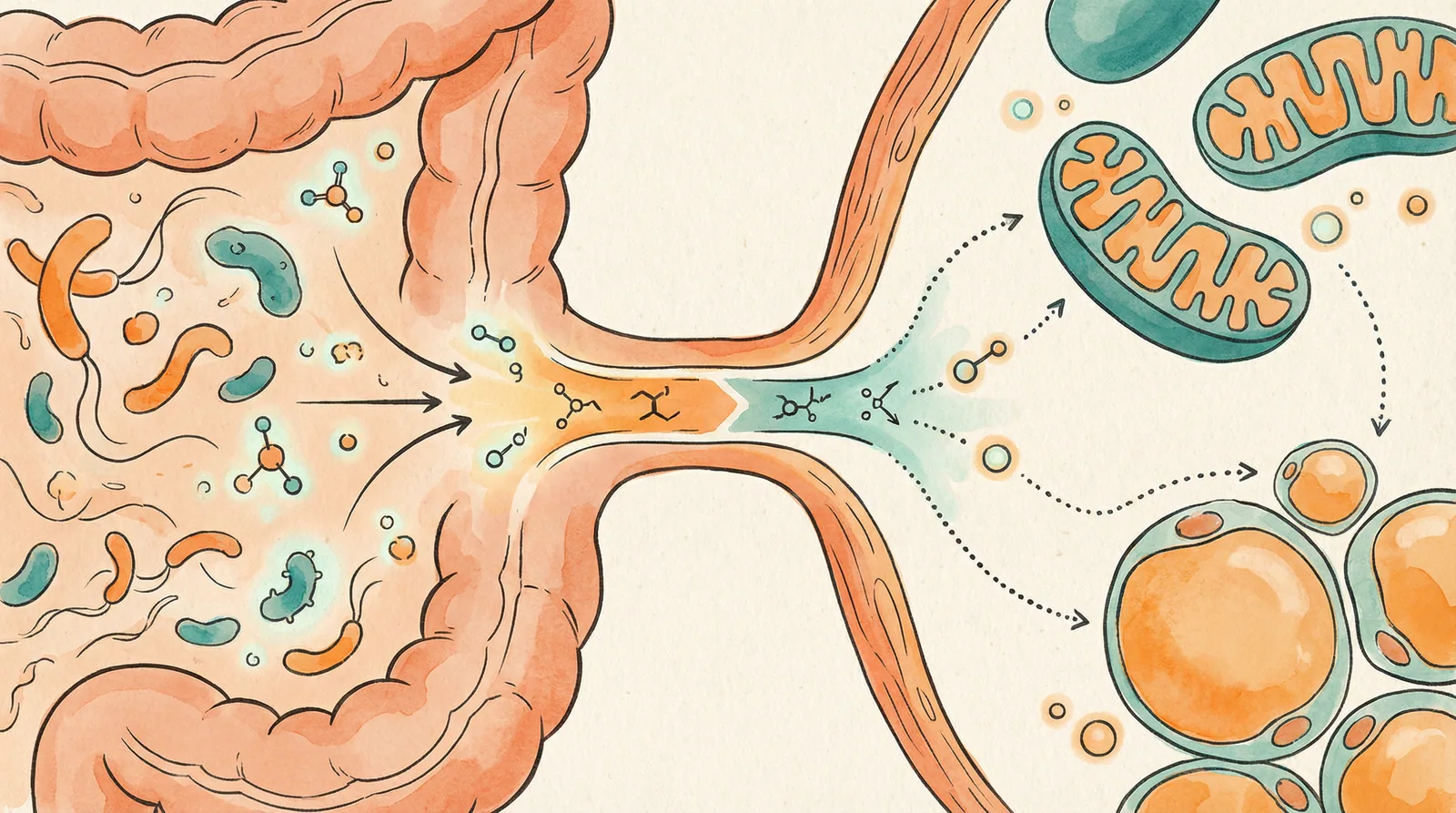
Your gut microbiome plays a profound role in metabolism & metabolic health. Through what scientists call the gut-brain axis, trillions of microorganisms communicate directly with your brain, influencing everything from mood to cognitive function.
Key Insight
Research Highlights
Akkermansia muciniphila Improves Metabolic Parameters
Higher abundance of A. muciniphila correlates with improved insulin sensitivity and metabolic health markers.
Nature Metabolism, 2023
Microbiome Diversity Linked to Metabolic Health
Greater gut microbiome diversity is associated with better metabolic health independent of diet and exercise.
Cell Metabolism, 2024
Probiotics for Weight Loss: Emerging Evidence
Certain probiotic strains, including Akkermansia muciniphila and Lactobacillus gasseri, may support modest weight loss when combined with dietary changes.
Obesity Reviews, 2024
Specific Benefits
Explore the specific ways microbiome optimization supports metabolism & metabolic health. Each benefit page provides in-depth information on mechanisms, supporting bacteria, and practical strategies.
Better Appetite Signaling
Restore natural hunger and satiety cues through microbiome optimization for intuitive eating and healthy weight management.
Learn moreEnhanced Fat Metabolism
Optimize your body's ability to burn and regulate fat through microbiome support for healthy weight management and energy production.
Learn moreImproved Insulin Sensitivity
Enhance your body's ability to respond to insulin and regulate blood sugar through microbiome optimization for better metabolic health.
Learn moreOptimized Glucose Regulation: Blood Sugar Supplements & Microbiome Strategies
Achieve stable blood sugar levels through microbiome-supported glucose metabolism. Explore glucose lowering supplements, A1C reduction strategies, and evidence-based blood sugar control.
Learn more
Key Beneficial Microbes
These specific microorganisms have been scientifically shown to support metabolism & metabolic health through various mechanisms.
Akkermansia muciniphila
A. muciniphila
Supports metabolism & metabolic health by enhancing metabolic function.
Christensenella minuta
Christensenella
Supports metabolism & metabolic health by enhancing metabolic function.
Faecalibacterium prausnitzii
F. prausnitzii
Supports metabolism & metabolic health by enhancing digestive function.
Dietary Recommendations
Foods to Include
- Fiber-rich vegetables
- Fermented foods
- Healthy fats (olive oil, avocados)
- Lean proteins
- Polyphenol-rich foods (berries, green tea)
Supplements to Consider
- Berberine
- Specific probiotic strains for metabolic health
- Omega-3 fatty acids
- Chromium
- Alpha-lipoic acid

Expert Tips
Practice time-restricted eating to support metabolic flexibility
Include resistant starch to feed beneficial bacteria that produce butyrate
Reduce artificial sweeteners that can disrupt glucose metabolism
Incorporate regular movement throughout the day to support metabolic health
Consider periodic fasting to reset metabolic function and microbiome composition
Explore evidence-based probiotics for weight loss as part of a comprehensive lifestyle approach
Frequently Asked Questions
Can changing my microbiome really help with weight management?
Yes, research shows the microbiome influences metabolism, appetite regulation, and fat storage. Optimizing your gut bacteria can support healthy weight management as part of a comprehensive approach.
How does the microbiome affect insulin sensitivity?
Gut bacteria influence insulin sensitivity through multiple mechanisms, including production of short-chain fatty acids that improve glucose metabolism, regulation of inflammation, and effects on bile acid metabolism.
What is metabolic health?
Metabolic health refers to having optimal levels of blood sugar, triglycerides, HDL cholesterol, blood pressure, and waist circumference without medication. The metabolic health definition encompasses how efficiently your body processes and distributes energy from food. Your gut microbiome plays a key role in metabolic health by producing short-chain fatty acids, regulating inflammation, and influencing how your body handles glucose and lipids.
Do probiotics for weight loss actually work?
Some probiotic strains may support modest weight loss as part of a comprehensive approach. Akkermansia muciniphila, Lactobacillus gasseri, and certain Bifidobacterium strains have shown preliminary evidence for supporting metabolic parameters. However, probiotics for weight loss work best when combined with dietary changes, exercise, and overall lifestyle optimization rather than as a standalone solution. The best probiotic for weight loss may vary by individual based on their existing microbiome composition.