

Digestive Health
Optimize your digestion and gut function through microbiome balance
Improved nutrient absorption
Reduced bloating and gas
Regular, comfortable bowel movements
Strengthened gut barrier function
Balanced gut inflammation
The Gut-Brain Connection
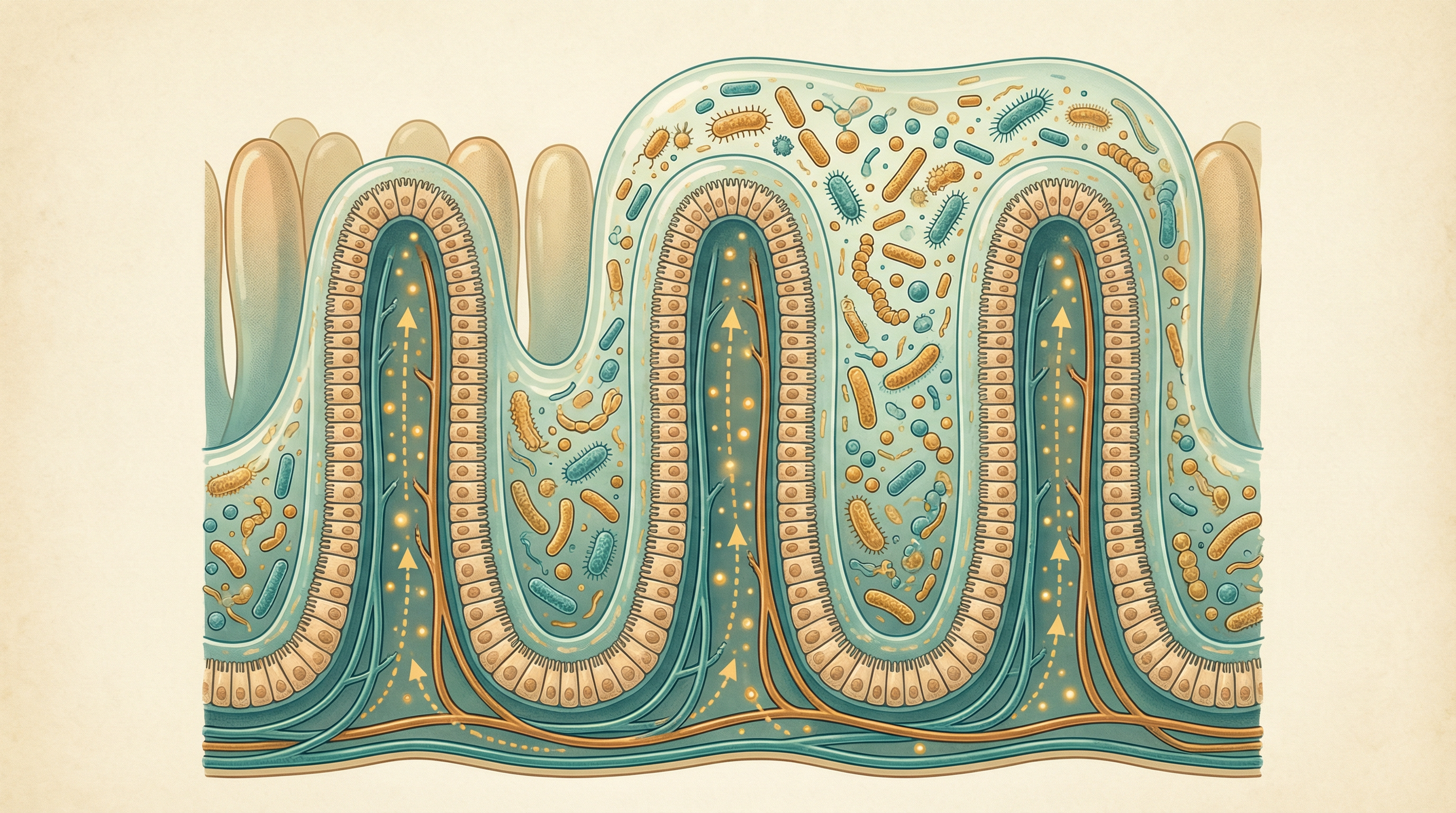
Your gut microbiome plays a profound role in digestive health. Through what scientists call the gut-brain axis, trillions of microorganisms communicate directly with your brain, influencing everything from mood to cognitive function.
💡 Key Insight
Research Highlights
Fiber Diversity Improves Microbiome Function
Consuming 30+ different plant foods weekly significantly improves microbiome diversity and digestive function.
American Journal of Gastroenterology, 2024
Specific Probiotics Reduce IBS Symptoms
Targeted probiotic formulations show significant reduction in IBS symptoms compared to placebo.
Gut Microbiome Research, 2023
Specific Benefits
Explore the specific ways microbiome optimization supports digestive health. Each benefit page provides in-depth information on mechanisms, supporting bacteria, and practical strategies.
Balanced Bile Acid Metabolism
Support healthy bile acid production and recycling through microbiome optimization for improved fat digestion, cholesterol regulation, and metabolic health.
Learn moreImproved Nutrient Absorption
Optimize your body's ability to extract and utilize essential nutrients from food through microbiome-supported digestive processes.
Learn moreEnhanced Epithelial Barrier
Strengthen your intestinal lining through microbiome optimization to prevent leaky gut, reduce inflammation, and improve overall digestive health.
Learn moreOptimized Gut Motility
Achieve regular, comfortable bowel movements through microbiome-supported digestive rhythm and intestinal muscle function.
Learn more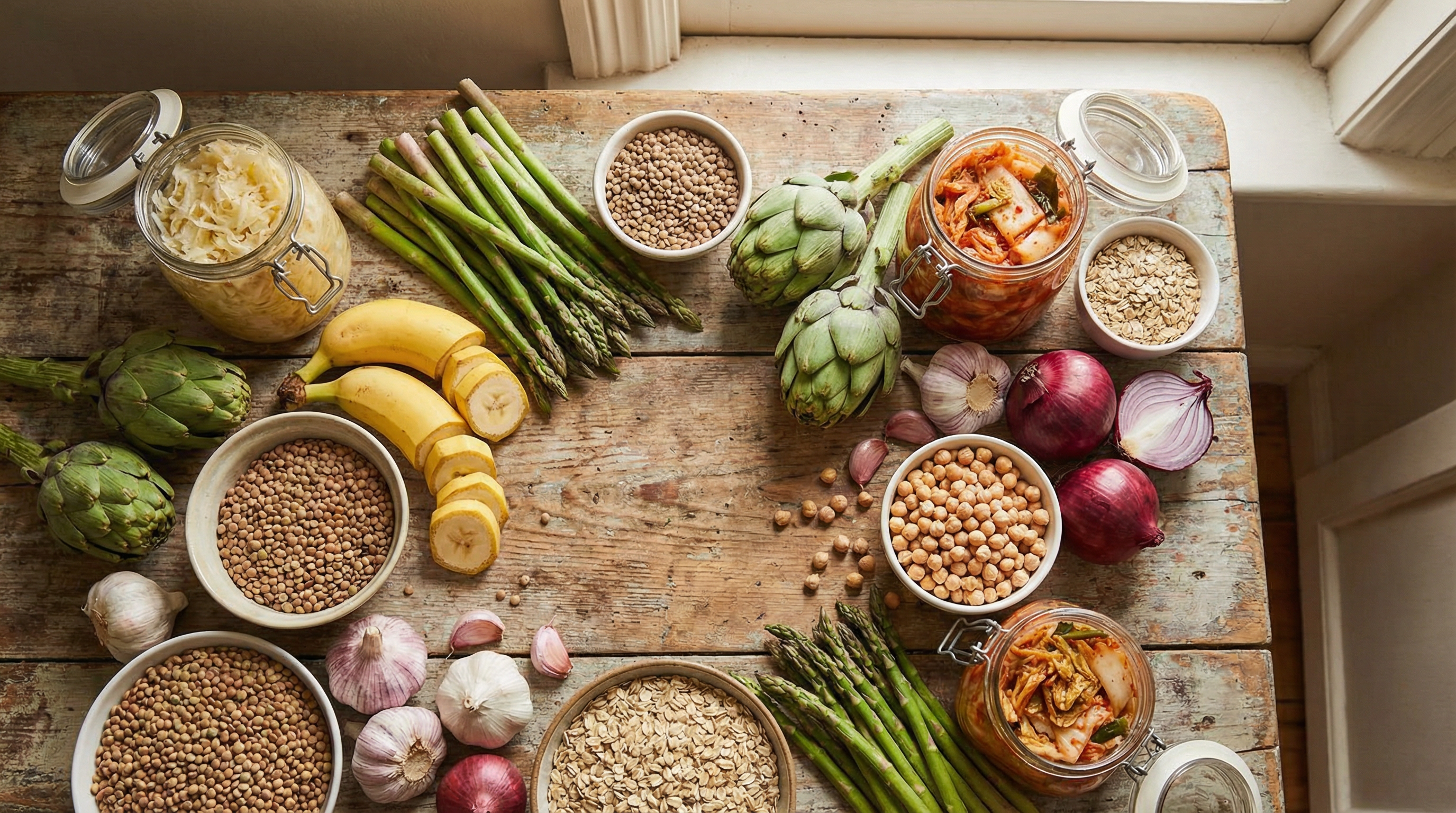
Key Beneficial Microbes
These specific microorganisms have been scientifically shown to support digestive health through various mechanisms.
Dietary Recommendations
🥗 Foods to Include
- Fiber-rich vegetables and fruits
- Fermented foods
- Whole grains
- Bone broth
- Prebiotic-rich foods (garlic, onions, leeks)
💊 Supplements to Consider
- Multi-strain probiotics
- Digestive enzymes
- L-glutamine
- Slippery elm
- Zinc carnosine

Expert Tips
Chew food thoroughly to support digestive processes
Stay hydrated to maintain proper digestive function
Implement intermittent fasting to give your digestive system rest
Practice mindful eating to reduce stress-related digestive issues
Consider food combining techniques for easier digestion
Frequently Asked Questions
How long does it take to improve digestive health through microbiome changes?
Most people notice improvements within 2-4 weeks, though significant rebalancing can take 3-6 months.
Can probiotics help with lactose intolerance?
Yes, certain probiotics can help produce lactase, the enzyme needed to digest lactose, potentially reducing symptoms.