
Balanced Bile Acid Metabolism
Support healthy bile acid production and recycling through microbiome optimization for improved fat digestion, cholesterol regulation, and metabolic health.
Key Supporting Microbes
These beneficial microorganisms play key roles in supporting this health benefit:
The Bile Acid-Microbiome Partnership
Bile acids are molecules produced by the liver from cholesterol, stored in the gallbladder, and released into the small intestine to aid fat digestion. But their role extends far beyond fat absorption—they act as signaling molecules that regulate metabolism, immunity, and even mood.[1]
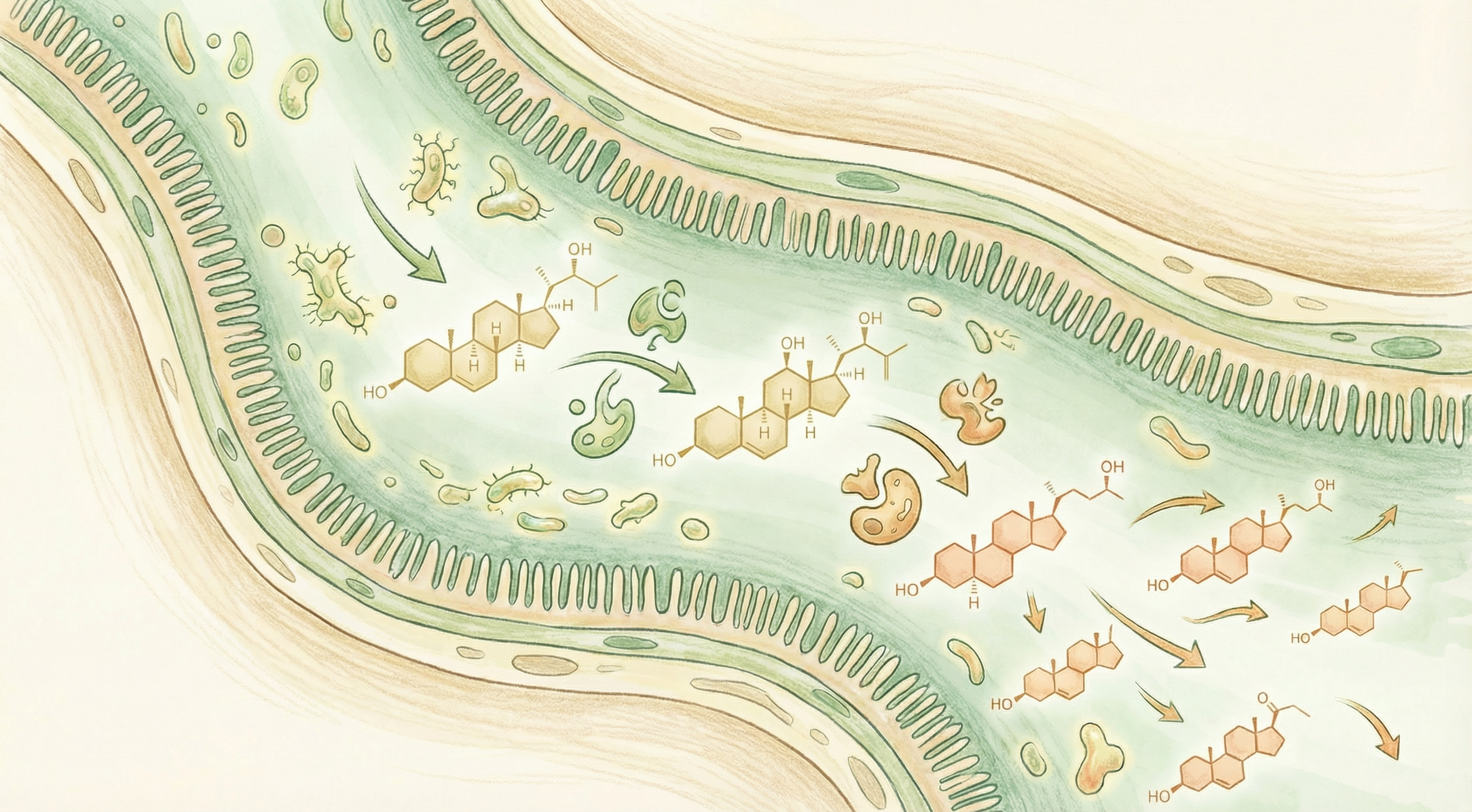
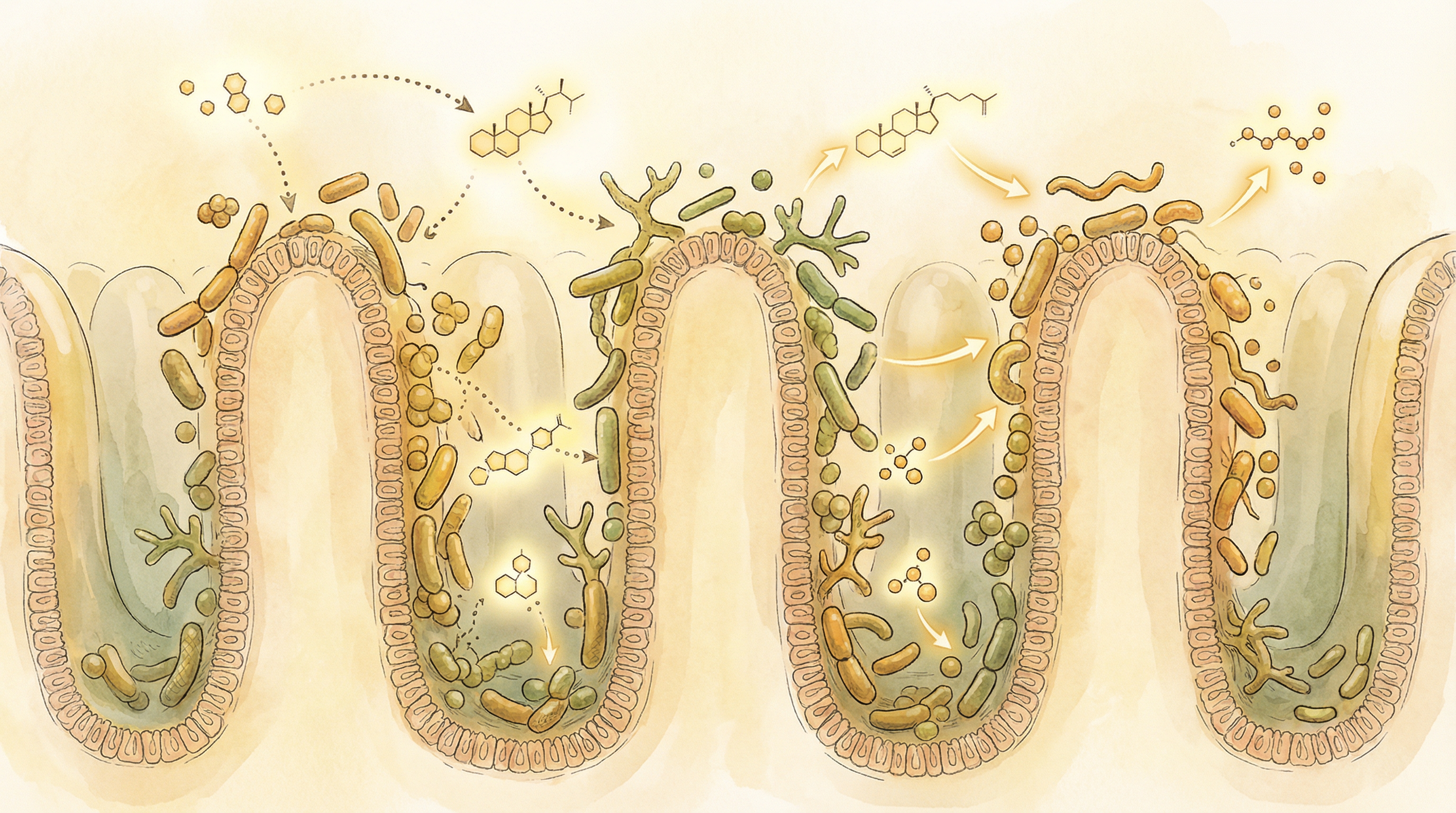
What makes bile acid metabolism fascinating is its deep interdependence with the gut microbiome. Bacteria transform bile acids into different forms with varying biological activities, while bile acids, in turn, shape which bacteria can thrive in the gut. This two-way relationship has profound implications for digestive and metabolic health.
How Bacteria Transform Bile Acids
The Enterohepatic Circulation
Bile acids undergo a continuous recycling process:[2]
- Liver synthesis: Primary bile acids (cholic acid, chenodeoxycholic acid) are made from cholesterol
- Conjugation: These are attached to glycine or taurine for better solubility
- Secretion: Stored in the gallbladder and released after meals
- Bacterial modification: Gut bacteria transform them in the intestine
- Reabsorption: About 95% are reclaimed in the ileum and returned to the liver
- Fecal excretion: The remaining 5% exit with stool (the body's main route for cholesterol elimination)
Bacterial Transformations
Gut bacteria perform several key modifications:[3]
Deconjugation:
- Bacteria with bile salt hydrolase (BSH) enzymes remove the amino acid attachments
- Many Lactobacillus and Bifidobacterium species have BSH activity
- This affects bile acid solubility and signaling properties
7α-dehydroxylation:
- Converts primary bile acids to secondary bile acids
- Only certain bacteria (like Clostridium scindens) can perform this
- Creates deoxycholic acid and lithocholic acid
- These secondary bile acids have different metabolic effects
Other modifications:
- Epimerization (changing molecular orientation)
- Oxidation and reduction reactions
- Creation of numerous bile acid variants with distinct activities
Why Bile Acid Balance Matters
Fat-Soluble Nutrient Absorption
Bile acids are essential for absorbing:
- Dietary fats and oils
- Vitamin A (retinol)
- Vitamin D
- Vitamin E
- Vitamin K
Without adequate bile acid function, deficiencies in these critical nutrients can develop.
Cholesterol Regulation
Bile acid metabolism directly impacts cholesterol levels:
- Bile acid synthesis is the primary route for cholesterol elimination
- Certain bacteria increase bile acid excretion, lowering cholesterol
- Others increase reabsorption, potentially raising cholesterol
- This is why some probiotics can modestly lower LDL cholesterol
Metabolic Signaling
Bile acids activate important receptors:
FXR (Farnesoid X Receptor):
- Regulates bile acid synthesis
- Influences glucose metabolism
- Affects lipid handling
- Modulates inflammation
TGR5 (G-protein coupled bile acid receptor):
- Increases energy expenditure
- Improves insulin sensitivity
- Has anti-inflammatory effects
- Influences gut motility
Gut Microbiome Composition
Bile acids shape the microbial landscape:
- High bile acid concentrations kill sensitive bacteria
- Some bacteria thrive in high-bile environments
- Changes in bile acid profiles alter which species dominate
- This creates feedback loops affecting overall gut health
Signs of Bile Acid Imbalance
Insufficient Bile Function
- Difficulty digesting fatty foods
- Light-colored, floating stools
- Deficiencies in fat-soluble vitamins
- Gallbladder problems
- Dry skin despite adequate fat intake
Bile Acid Malabsorption
- Chronic watery diarrhea
- Urgency after eating fatty foods
- Responds to bile acid sequestrants
- Often misdiagnosed as IBS-D
Elevated Secondary Bile Acids
- Associated with increased colon cancer risk
- May contribute to liver disease
- Connected to metabolic dysfunction
- Often seen with dysbiosis
Key Microbes in Bile Acid Metabolism
Lactobacillus Species
These common probiotics:
- Have high bile salt hydrolase activity
- Increase bile acid deconjugation
- May help lower cholesterol
- Influence bile acid composition
Bifidobacterium Species
Important for bile acid balance:
- Also possess BSH enzymes
- Support healthy bile acid profiles
- Associated with metabolic health
- Respond well to prebiotic fibers
Clostridium scindens
A specialized bile acid transformer:
- One of the few bacteria that can perform 7α-dehydroxylation
- Creates secondary bile acids
- Its abundance affects bile acid signaling
- May be relevant to certain digestive conditions
Bacteroides Species
Major players in bile acid metabolism:
- Abundant in the gut
- Significant BSH activity
- Influence overall bile acid pool composition
- Respond to dietary fat intake
Dietary Strategies for Bile Acid Balance
Foods That Support Bile Function
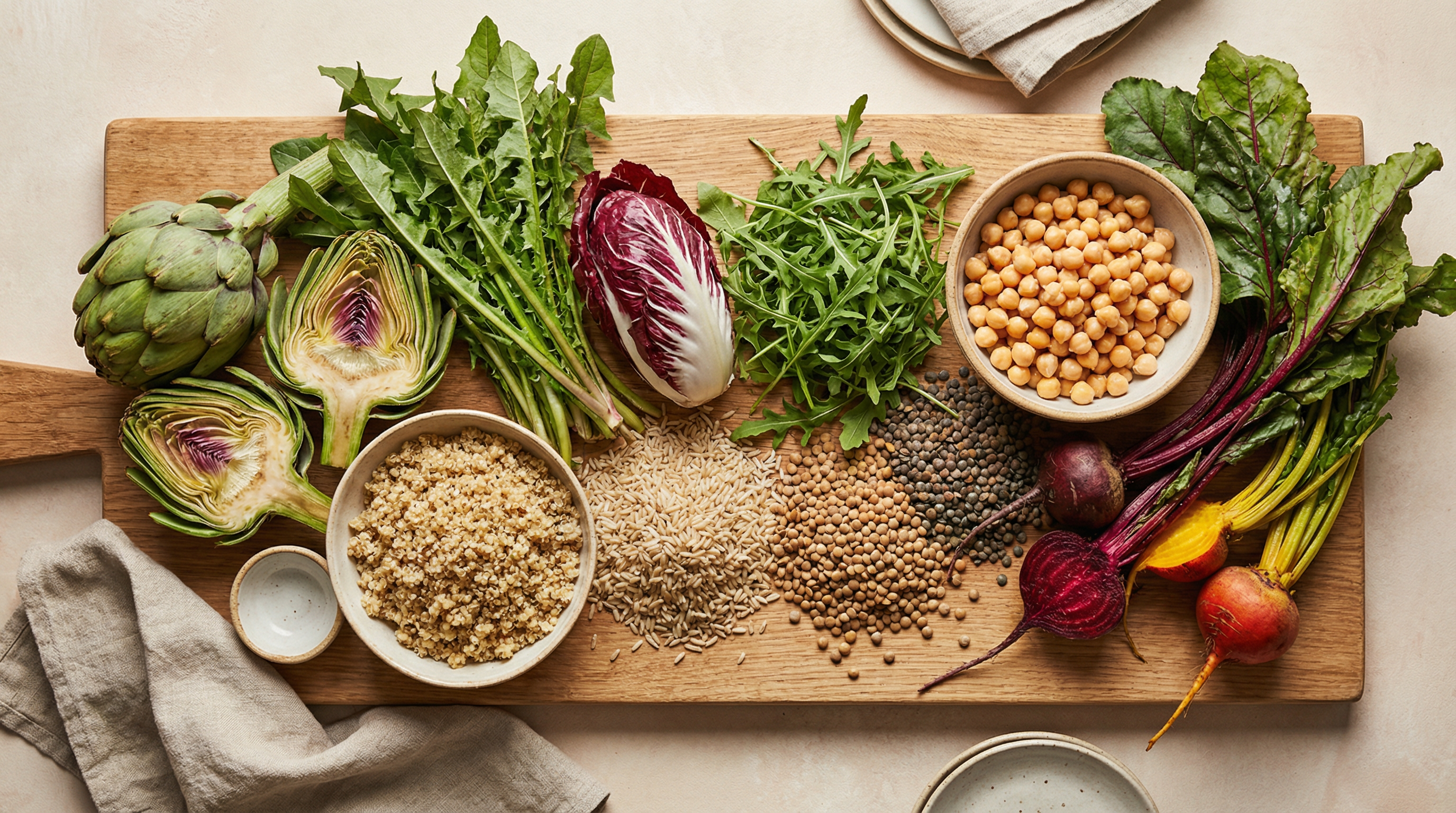
Bitter foods stimulate bile production and release:
- Arugula and radicchio
- Dandelion greens
- Artichokes
- Gentian root (in bitters)
Sulfur-rich vegetables support liver detoxification:
- Broccoli, cauliflower, Brussels sprouts
- Garlic and onions
- Eggs
Soluble fiber binds bile acids in the intestine:
- Oats and barley
- Apples and citrus
- Psyllium
- Legumes
Healthy fats stimulate bile release:
- Olive oil
- Avocados
- Fatty fish
- Nuts and seeds
Foods to Moderate
Excessive saturated fat:
- Increases bile acid output
- May promote harmful bile acid profiles
- Associated with increased secondary bile acids
Highly processed foods:
- Can disrupt bile acid-metabolizing bacteria
- Often low in fiber that binds bile acids
- May contain emulsifiers that affect bile acid function
Lifestyle Considerations
Meal Patterns
Regular meals support bile flow:
- Eating stimulates gallbladder contraction
- Long fasting periods allow bile to concentrate excessively
- Skipping breakfast may increase gallstone risk
- Moderate fat at each meal maintains healthy bile cycling
Physical Activity
Exercise benefits bile acid metabolism:
- Increases bile acid turnover
- Supports healthy gut transit
- Improves metabolic signaling
- Reduces gallstone risk
Maintaining Healthy Weight
Weight affects bile acids:
- Obesity alters bile acid composition
- Weight loss can improve bile acid signaling
- Rapid weight loss increases gallstone risk
- Gradual changes are safest for the biliary system
Testing and Assessment
Bile acid issues can be evaluated through:
- SeHCAT test: Gold standard for bile acid malabsorption
- Blood bile acid levels: Elevated in liver disease
- Stool bile acid tests: Research and specialty testing
- Lipid panels: Indirect indicator of bile acid function
- Microbiome testing: Can reveal BSH-producing bacteria levels
Supporting Healthy Bile Acid Metabolism
A comprehensive approach includes:
- Dietary diversity to support varied bile-metabolizing bacteria
- Adequate fiber to bind and excrete excess bile acids
- Bitter foods to stimulate healthy bile flow
- Fermented foods to introduce BSH-active probiotics
- Moderate fat intake distributed throughout the day
- Regular meals to prevent bile stagnation
Improvements in bile acid metabolism typically develop over several weeks to months as the microbiome adapts and bile acid pools equilibrate to the new bacterial landscape.
Supporting Practices
Evidence-based strategies to support this benefit:
- Consume bitter foods like arugula, dandelion greens, and artichokes
- Include healthy fats to stimulate bile release
- Eat soluble fiber to bind excess bile acids
- Limit excessive saturated fat intake
- Support liver health with cruciferous vegetables
- Stay hydrated to maintain bile fluidity
Frequently Asked Questions
What is Balanced Bile Acid Metabolism?
Support healthy bile acid production and recycling through microbiome optimization for improved fat digestion, cholesterol regulation, and metabolic health.
How does the microbiome support balanced bile acid metabolism?
Your gut microbiome plays a crucial role in balanced bile acid metabolism through various mechanisms involving specific beneficial bacteria and their metabolites.
Which microbes are important for balanced bile acid metabolism?
Key beneficial microbes include: Lactobacillus species, Bifidobacterium species, Clostridium scindens, Bacteroides species.
References
- Wahlström A, Sayin SI, Marschall HU, Bäckhed F. Intestinal Crosstalk between Bile Acids and Microbiota and Its Impact on Host Metabolism. Cell Metabolism. 2016;24(1):41-50. doi:10.1016/j.cmet.2016.05.005 ↩
- Ridlon JM, Kang DJ, Hylemon PB, Bajaj JS. Bile acids and the gut microbiome. Current Opinion in Gastroenterology. 2014;30(3):332-338. doi:10.1097/MOG.0000000000000057 ↩
- Joyce SA, Gahan CG. Bile Acid Modifications at the Microbe-Host Interface: Potential for Nutraceutical and Pharmaceutical Interventions in Host Health. Annual Review of Food Science and Technology. 2016;7:313-333. doi:10.1146/annurev-food-041715-033159 ↩