

Optimized Gut Motility
Achieve regular, comfortable bowel movements through microbiome-supported digestive rhythm and intestinal muscle function.
Key Supporting Microbes
These beneficial microorganisms play key roles in supporting this health benefit:
What Is Gut Motility?
Gut motility refers to the coordinated contractions of muscles in the digestive tract that move food from the stomach through the intestines. This process, known as peristalsis, is essential for proper digestion, nutrient absorption, and waste elimination. When motility is optimized, you experience regular, comfortable bowel movements without straining, urgency, or discomfort.[1]
Both too slow (constipation) and too fast (diarrhea) transit can cause problems. The goal is balanced motility that allows adequate time for nutrient absorption while preventing waste from sitting too long in the colon.
The Microbiome's Influence on Motility
Your gut bacteria influence motility through several sophisticated mechanisms:[2]
Short-Chain Fatty Acid Production
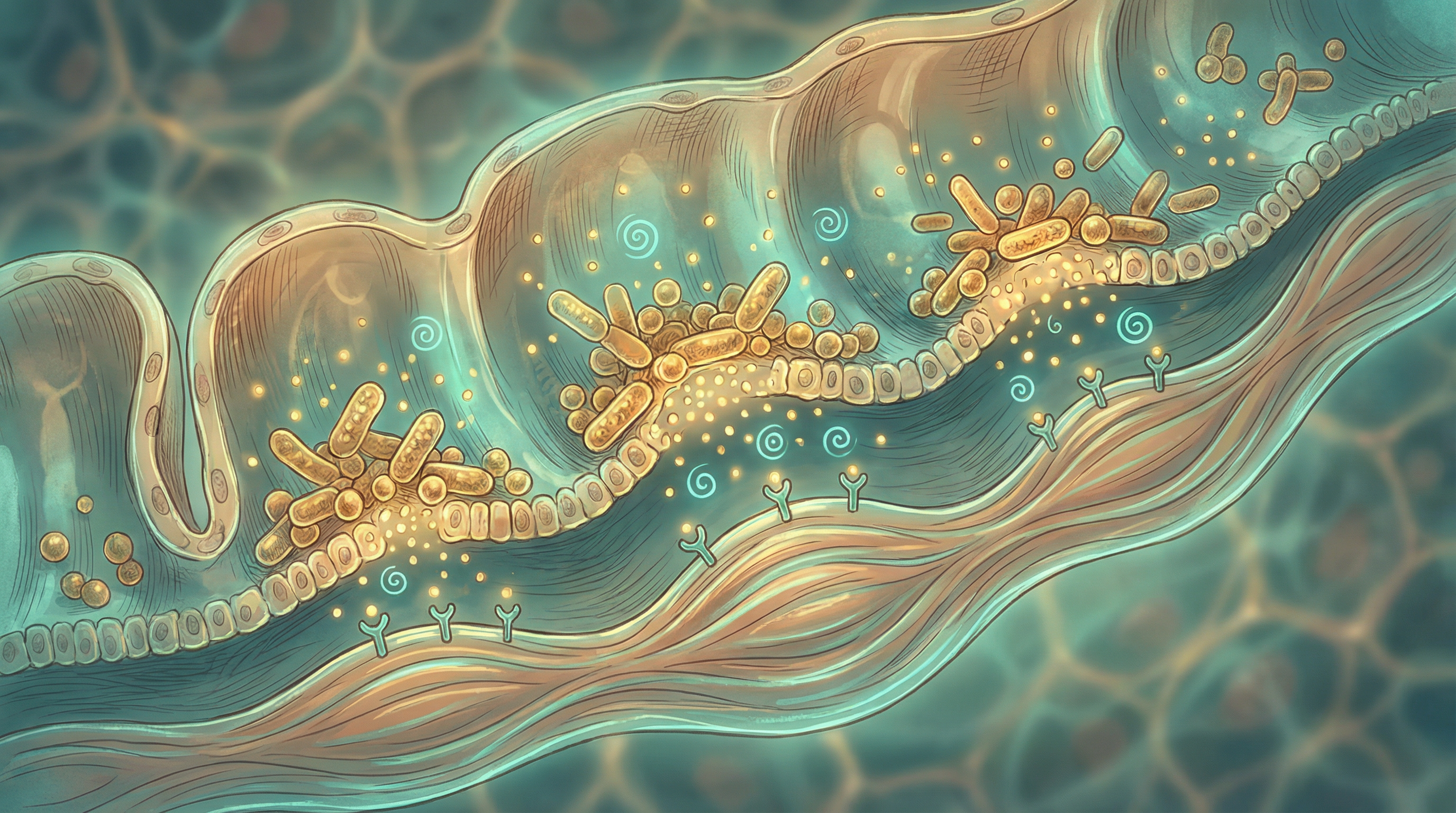
When bacteria ferment fiber, they produce SCFAs that directly affect gut muscles:
- Butyrate stimulates colonic contractions and promotes regular transit
- Propionate and acetate also influence smooth muscle function
- SCFAs increase the number of serotonin-producing cells in the gut
- They maintain the health of the enteric nervous system
Serotonin Signaling
Approximately 95% of your body's serotonin is produced in the gut, and bacteria play a crucial role:[3]
- Certain bacteria stimulate enterochromaffin cells to produce serotonin
- Gut serotonin is a primary regulator of intestinal motility
- Dysbiosis can disrupt serotonin signaling, affecting transit time
- This gut-brain connection explains why mood and motility often correlate
Bile Acid Metabolism
Bacteria modify bile acids, which influence motility:
- Deconjugated bile acids can stimulate colonic contractions
- Bacterial bile salt hydrolase activity affects bile acid composition
- Altered bile acid profiles are seen in both constipation and diarrhea
Gas Production
While excessive gas is problematic, moderate gas production influences transit:
- Gas creates pressure that can stimulate movement
- The composition of gases (hydrogen, methane, hydrogen sulfide) matters
- Methane-producing organisms are associated with slower transit
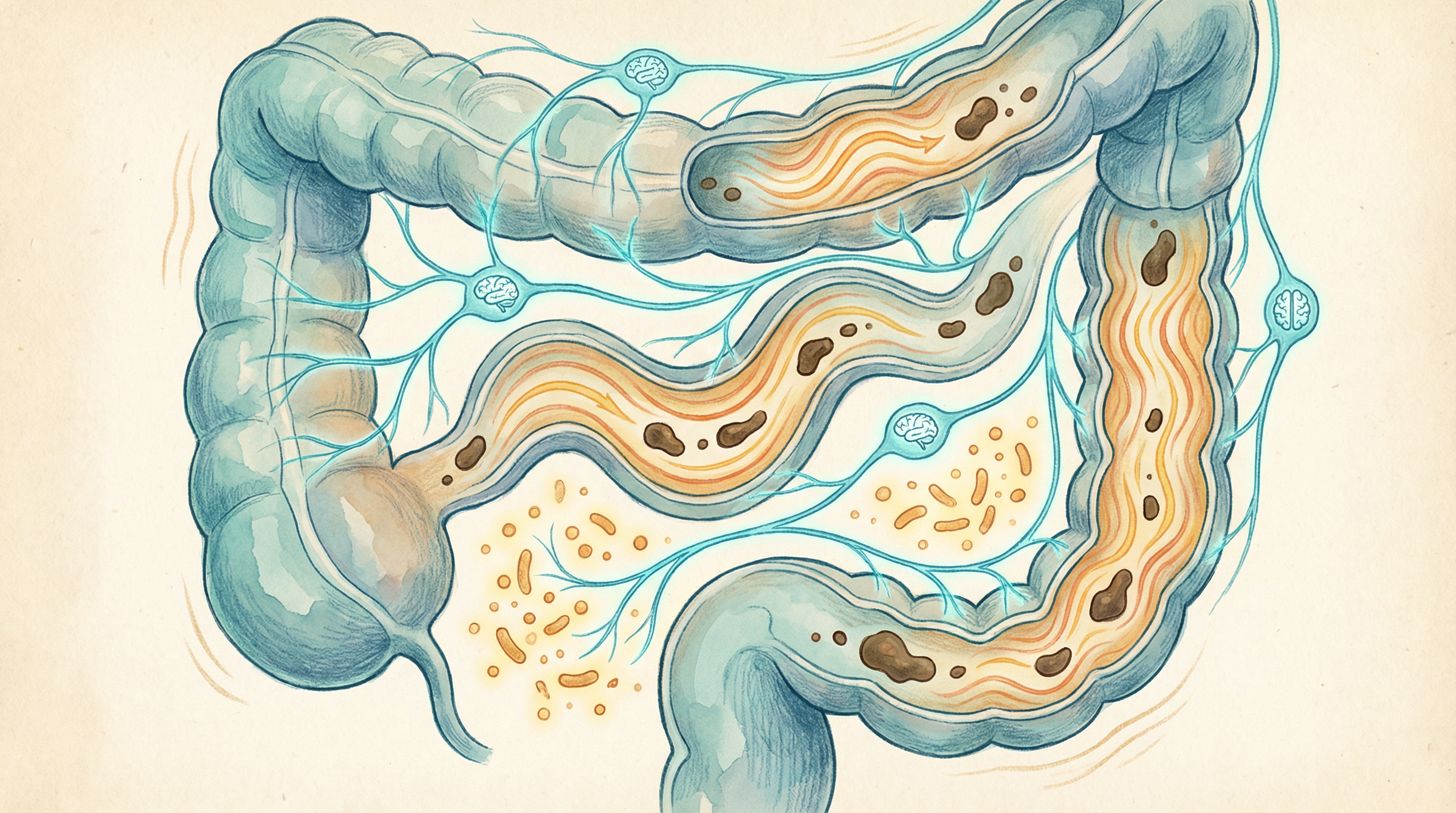
The Methane Connection
One of the most researched connections between the microbiome and motility involves methane:
- Methanobrevibacter smithii and other methane-producing archaea slow transit
- Methane gas directly reduces intestinal contractions
- People with constipation-predominant IBS often have elevated methane levels
- Reducing methane producers can improve motility in some individuals
Key Beneficial Microbes
Bifidobacterium lactis
Clinical trials have shown this strain:
- Significantly reduces gut transit time
- Improves stool consistency and frequency
- Is well-tolerated with minimal side effects
- May be particularly helpful for constipation
Lactobacillus reuteri
This versatile probiotic:
- Produces compounds that influence gut contractions
- Has been shown to reduce constipation in multiple studies
- Modulates the enteric nervous system
- May help with both constipation and functional abdominal pain
Faecalibacterium prausnitzii
As a major butyrate producer:
- Supports healthy gut muscle function
- Maintains the enteric nervous system
- Is often depleted in motility disorders
- Requires prebiotic fibers to thrive
Roseburia Species
These fiber-fermenters:
- Produce butyrate that stimulates motility
- Respond well to resistant starch intake
- Are associated with healthy transit times
- Support overall colon health
Signs of Motility Issues
Slow Transit (Constipation)
- Fewer than 3 bowel movements per week
- Hard, dry stools that are difficult to pass
- Straining during bowel movements
- Feeling of incomplete evacuation
- Bloating and abdominal discomfort
Fast Transit (Diarrhea)
- More than 3 loose stools per day
- Urgency and difficulty holding bowel movements
- Incomplete nutrient absorption
- Dehydration risk
- Impact on quality of life
Dietary Strategies for Optimal Motility
Fiber: The Foundation
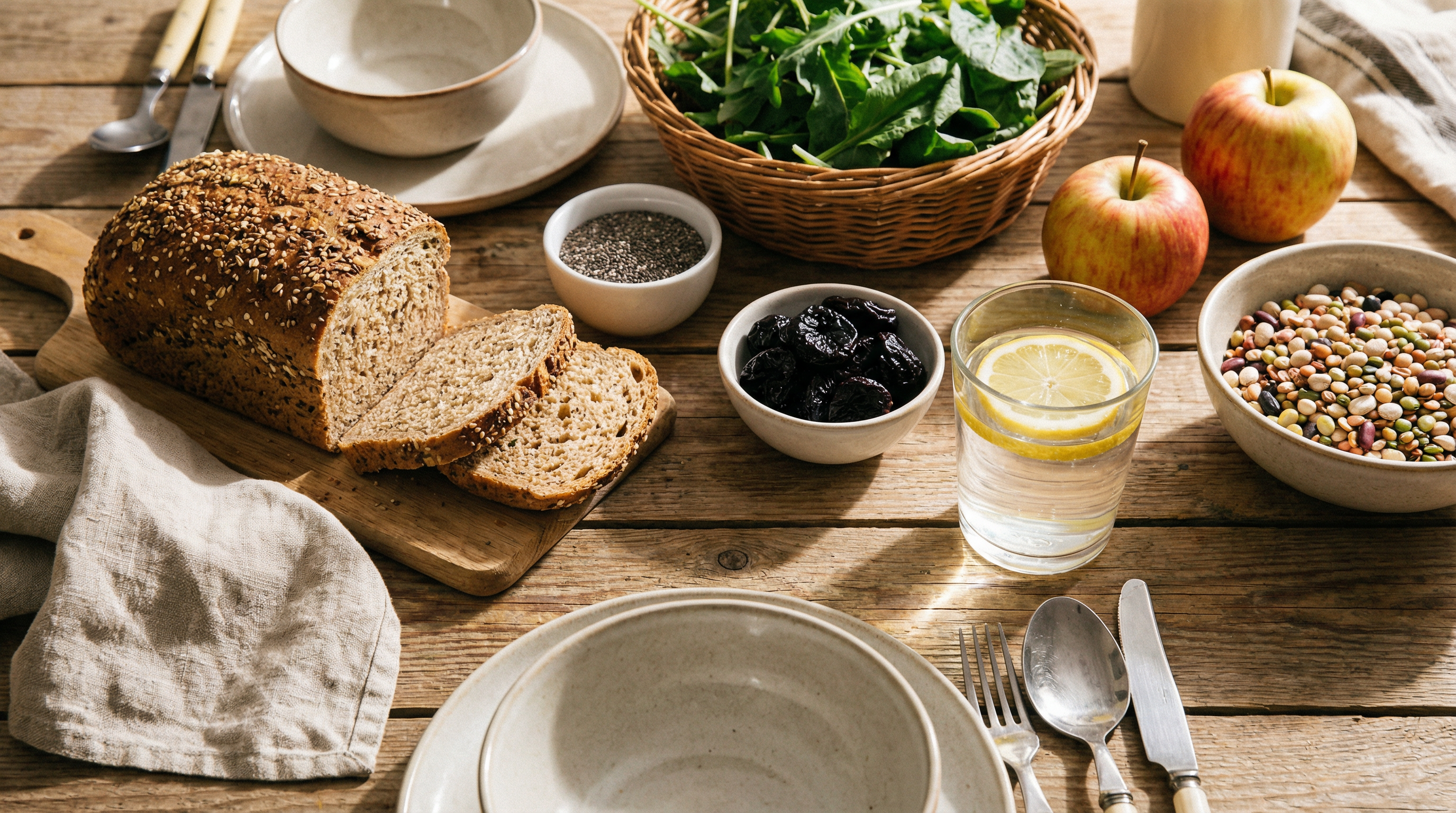
Fiber is essential, but type matters:
Soluble fiber (forms gel, slows transit if too fast):
- Oats and barley
- Apples and citrus fruits
- Legumes
- Psyllium husk
Insoluble fiber (adds bulk, speeds transit if too slow):
- Whole wheat and bran
- Vegetables like broccoli and carrots
- Nuts and seeds
- Potato skins
Prebiotic fiber (feeds beneficial bacteria):
- Chicory root and Jerusalem artichokes
- Garlic, onions, and leeks
- Asparagus
- Green bananas
Hydration
Adequate water is crucial for motility:
- Fiber requires water to work properly
- Dehydration leads to harder stools
- Aim for 8+ glasses daily
- Increase intake with higher fiber consumption
Fermented Foods
These introduce beneficial bacteria:
- Yogurt with active cultures
- Kefir
- Sauerkraut and kimchi
- Kombucha (in moderation)
Foods That May Slow Transit
Be aware that some foods can contribute to constipation:
- Excessive dairy in some individuals
- Highly processed foods low in fiber
- Red meat in large quantities
- Unripe bananas
Lifestyle Factors
Physical Activity
Movement promotes motility:
- Walking stimulates the gastrocolic reflex
- Exercise increases blood flow to the digestive tract
- Even gentle yoga can help with constipation
- Aim for at least 30 minutes of activity daily
Meal Timing
Regular eating patterns support digestive rhythm:
- Eating at consistent times trains the digestive system
- The gastrocolic reflex is strongest after breakfast
- Allow adequate time between meals for migrating motor complex activity
Stress Management
The gut-brain axis means stress directly affects motility:
- Chronic stress can cause either constipation or diarrhea
- Deep breathing activates the parasympathetic nervous system
- Mind-body practices like meditation help regulate gut function
Bathroom Habits
Support natural elimination:
- Respond to the urge promptly—delaying trains the colon to retain stool
- Use a footstool to achieve a squatting position
- Don't rush or strain
- Create a relaxing bathroom environment
When to Seek Help
Consult a healthcare provider if you experience:
- Sudden changes in bowel habits lasting more than 2 weeks
- Blood in stool
- Unexplained weight loss
- Severe abdominal pain
- Symptoms not responding to lifestyle changes
Building Better Motility
Improving gut motility through microbiome optimization typically follows this progression:
- Week 1-2: Increase fiber gradually and hydration
- Week 2-4: Add fermented foods and probiotic-rich options
- Week 4-8: Establish consistent meal times and exercise habits
- Month 2-3: Fine-tune fiber types based on response
- Ongoing: Maintain diversity and consistency for long-term regularity
Most people notice improvements in bowel regularity within 2-4 weeks of consistent microbiome-supporting changes, though establishing a truly optimized pattern may take several months.
Supporting Practices
Evidence-based strategies to support this benefit:
- Stay well-hydrated with at least 8 glasses of water daily
- Consume 25-35 grams of fiber from diverse plant sources
- Engage in regular physical activity and movement
- Establish consistent meal times to support digestive rhythm
- Respond promptly to the urge to have a bowel movement
- Manage stress, which can significantly affect motility
Frequently Asked Questions
What is Optimized Gut Motility?
Achieve regular, comfortable bowel movements through microbiome-supported digestive rhythm and intestinal muscle function.
How does the microbiome support optimized gut motility?
Your gut microbiome plays a crucial role in optimized gut motility through various mechanisms involving specific beneficial bacteria and their metabolites.
Which microbes are important for optimized gut motility?
Key beneficial microbes include: Bifidobacterium lactis, Lactobacillus reuteri, Faecalibacterium prausnitzii, Roseburia species.
References
- Dimidi E, Christodoulides S, Scott SM, Whelan K. Mechanisms of Action of Probiotics and the Gastrointestinal Microbiota on Gut Motility and Constipation. Advances in Nutrition. 2017;8(3):484-494. doi:10.3945/an.116.014407 ↩
- Kashyap PC, Marcobal A, Ursell LK, et al.. Complex interactions among diet, gastrointestinal transit, and gut microbiota in humanized mice. Gastroenterology. 2013;144(5):967-977. doi:10.1053/j.gastro.2013.01.047 ↩
- Yano JM, Yu K, Donaldson GP, et al.. Indigenous bacteria from the gut microbiota regulate host serotonin biosynthesis. Cell. 2015;161(2):264-276. doi:10.1016/j.cell.2015.02.047 ↩