

Mental Health
Support your cognitive and emotional wellbeing through the gut-brain axis
Improved mood stability
Reduced anxiety and stress response
Enhanced cognitive function
Better sleep quality
Balanced neurotransmitter production
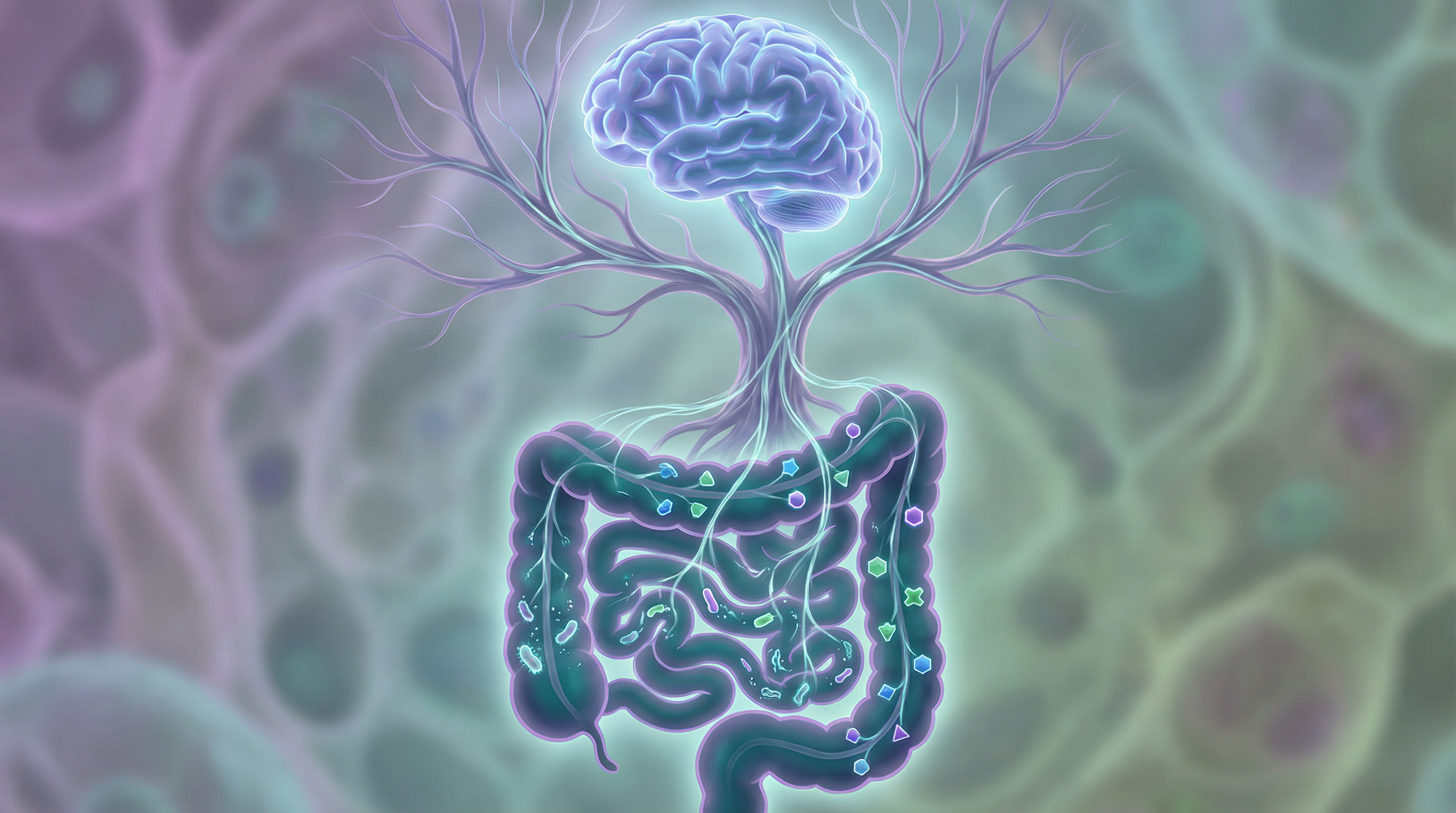
The Gut-Brain Connection
Your gut microbiome plays a profound role in mental health. Through what scientists call the gut-brain axis, trillions of microorganisms communicate directly with your brain, influencing everything from mood to cognitive function.
💡 Key Insight
Research Highlights
Gut-Brain Axis Influences Mood Regulation
Research confirms bidirectional communication between gut microbiome and brain affects mood, stress response, and cognitive function.
Nature Reviews Neuroscience, 2023
Specific Probiotic Strains Reduce Anxiety Symptoms
Clinical trials show certain probiotic formulations significantly reduce anxiety scores compared to placebo.
JAMA Psychiatry, 2024
Specific Benefits
Explore the specific ways microbiome optimization supports mental health. Each benefit page provides in-depth information on mechanisms, supporting bacteria, and practical strategies.
Enhanced Gut-Brain Signaling
Optimize the bidirectional communication between your gut and brain through microbiome support for improved mood, cognition, and stress response.
Learn moreBetter Stress Resilience
Build robust stress tolerance and faster recovery through microbiome optimization that supports healthy HPA axis function and emotional regulation.
Learn moreImproved Neurotransmitter Production
Optimize the production of mood-regulating neurotransmitters like serotonin, dopamine, and GABA through microbiome support for better mental wellbeing.
Learn moreReduced Neuroinflammation
Decrease brain inflammation through microbiome modulation to protect cognitive function, improve mood, and reduce risk of neurodegenerative conditions.
Learn more
Key Beneficial Microbes
These specific microorganisms have been scientifically shown to support mental health through various mechanisms.
Dietary Recommendations
🥗 Foods to Include
- Omega-3 rich foods (fatty fish, walnuts, flaxseeds)
- Fermented foods
- Colorful fruits and vegetables
- Dark chocolate
- Green tea
💊 Supplements to Consider
- Psychobiotics (specific mental health-focused probiotics)
- Omega-3 fatty acids
- Magnesium
- B vitamins
- Vitamin D

Expert Tips
Prioritize diverse fiber intake to feed beneficial gut bacteria
Reduce processed foods and artificial sweeteners that disrupt gut-brain communication
Practice mindfulness meditation to strengthen the gut-brain connection
Consider time-restricted eating to support circadian rhythm and mental clarity
Combine probiotic supplementation with prebiotic foods for optimal results
Frequently Asked Questions
How quickly can microbiome changes affect mental health?
Some people report mood improvements within 2-3 weeks, though more substantial changes typically require 6-8 weeks of consistent microbiome support.
Can gut health really impact anxiety and depression?
Yes, substantial research confirms the gut-brain axis connection. About 90% of serotonin receptors are located in the gut, and the microbiome influences neurotransmitter production and regulation.