
Improved Neurotransmitter Production
Optimize the production of mood-regulating neurotransmitters like serotonin, dopamine, and GABA through microbiome support for better mental wellbeing.
Key Supporting Microbes
These beneficial microorganisms play key roles in supporting this health benefit:
The Gut: Your Second Brain's Pharmacy
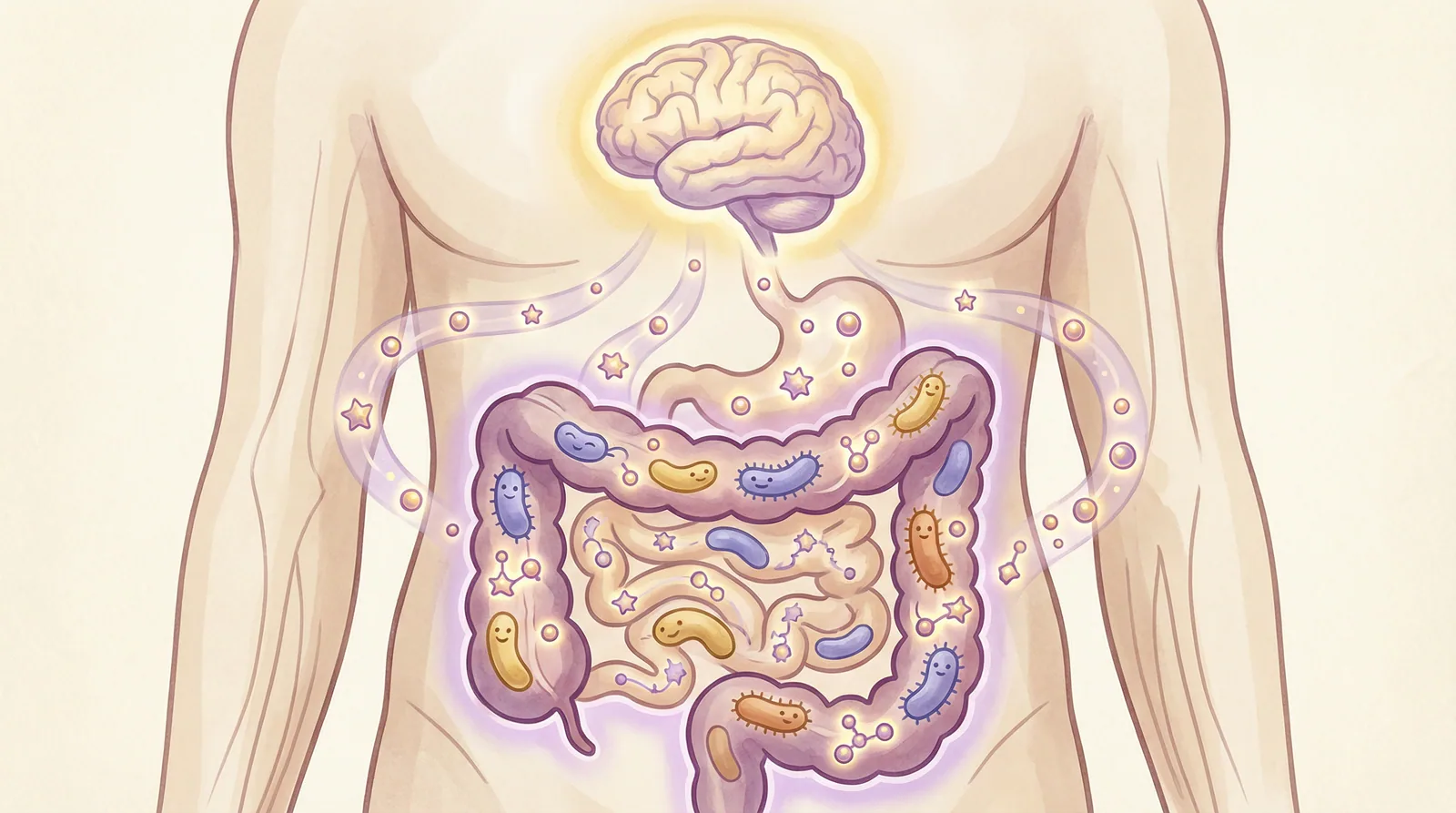
Your gut isn't just a digestive organ—it's a neurochemical factory. The enteric nervous system, often called the "second brain," contains over 100 million neurons and produces many of the same neurotransmitters found in your brain. What's remarkable is how profoundly your gut bacteria influence this production[3]. Indeed, the gut microbiota has been described as a "neglected endocrine organ" due to its profound influence on host neurotransmitter systems[4].
Understanding this connection reveals why supporting your microbiome can have such powerful effects on mood, motivation, and mental clarity.
Key Neurotransmitters and the Microbiome
Serotonin: The Mood Stabilizer
About 95% of your body's serotonin is produced in the gut[1]:
Bacterial influence:
- Specific bacteria stimulate enterochromaffin cells to produce serotonin
- Short-chain fatty acids from bacterial fermentation enhance serotonin synthesis
- Dysbiosis can lead to impaired serotonin production
- Gut serotonin influences intestinal function, but also signals to the brain
Functions:
- Mood regulation and emotional stability
- Sleep-wake cycle regulation
- Appetite and digestive function
- Social behavior and cognition
Key bacteria for serotonin:
- Enterococcus species can produce serotonin directly
- Streptococcus and Escherichia species also contribute
- Spore-forming bacteria stimulate host serotonin production
Dopamine: The Motivation Molecule
Approximately 50% of dopamine is produced in the gut:
Bacterial influence:
- Certain bacteria produce dopamine precursors
- Others can synthesize dopamine directly
- Gut dopamine affects intestinal motility and immune function
- Bacterial metabolites may influence brain dopamine signaling
Functions:
- Motivation and reward
- Focus and attention
- Motor control
- Pleasure and satisfaction
Key bacteria for dopamine:
- Bacillus species
- Lactobacillus species
- Enterococcus species
GABA: The Calming Neurotransmitter
GABA is the brain's primary inhibitory neurotransmitter[2]:
Bacterial influence:
- Several gut bacteria produce GABA directly
- Lactobacillus and Bifidobacterium strains are particularly important
- Bacterial GABA can influence the vagus nerve
- This may explain calming effects of certain probiotics
Functions:
- Reduces anxiety and promotes calm
- Helps with sleep initiation
- Balances excitatory neurotransmission
- Supports focus and concentration
Key bacteria for GABA:
- Lactobacillus rhamnosus (especially strain JB-1)
- Lactobacillus brevis
- Bifidobacterium dentium
Other Neuroactive Compounds
The microbiome also influences[5]:
Glutamate: Excitatory neurotransmitter affecting learning and memory Norepinephrine: Alertness and stress response Acetylcholine: Memory and muscle control Histamine: Wakefulness and immune function
The Tryptophan Connection
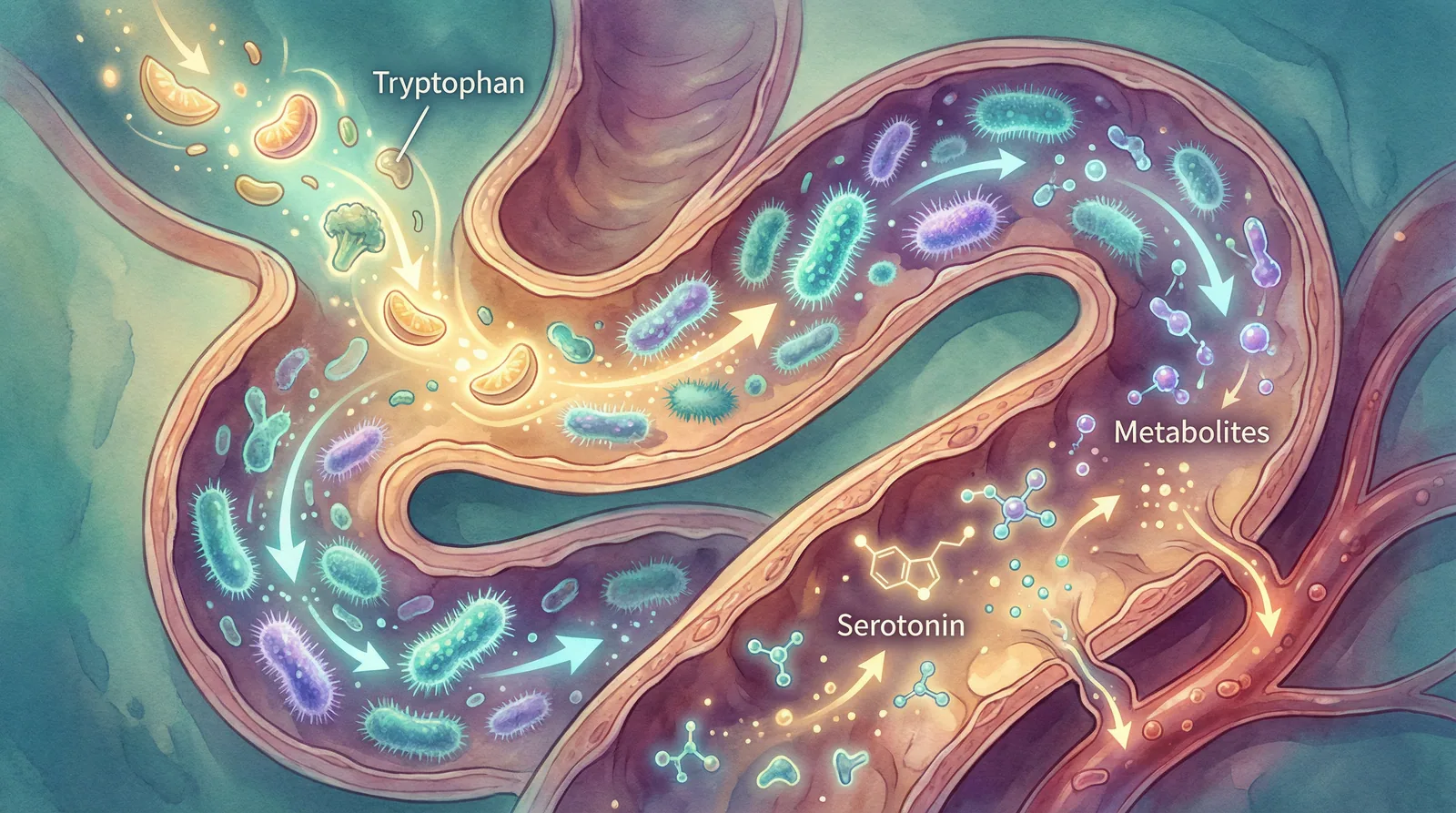
Tryptophan is an essential amino acid critical for neurotransmitter production:
Three Metabolic Pathways
Serotonin pathway:
- Tryptophan → 5-HTP → Serotonin → Melatonin
- Requires adequate B6, iron, and vitamin D
- Enhanced by certain gut bacteria
Kynurenine pathway:
- Tryptophan → Kynurenine → Various metabolites
- Can be pro-inflammatory or neuroprotective
- Dysbiosis shifts this toward harmful metabolites
Bacterial utilization:
- Some bacteria use tryptophan for their own purposes
- This can reduce availability for host neurotransmitter production
- Others produce beneficial tryptophan metabolites (like indoles)
Microbiome Impact on Tryptophan
The composition of your microbiome determines:
- How much dietary tryptophan reaches your tissues
- Which metabolic pathway predominates
- Whether tryptophan metabolites are beneficial or harmful
- Overall serotonin production capacity
Signs of Neurotransmitter Imbalance
Low Serotonin
- Depression and low mood
- Anxiety and worry
- Poor sleep quality
- Carbohydrate cravings
- Digestive issues
- Low self-esteem
Low Dopamine
- Lack of motivation
- Difficulty experiencing pleasure
- Fatigue and apathy
- Poor concentration
- Procrastination
- Addictive behaviors
Low GABA
- Anxiety and nervousness
- Racing thoughts
- Difficulty relaxing
- Insomnia
- Muscle tension
- Overwhelm from stimulation
Key Psychobiotic Species
Lactobacillus rhamnosus
The most studied psychobiotic:
- Reduces anxiety in both animal and human studies
- Increases GABA receptor expression in the brain
- Effects depend on intact vagus nerve
- Strain-specific effects (JB-1 particularly studied)
Bifidobacterium longum
Powerful mood supporter:
- Reduces cortisol response to stress
- Improves cognitive performance under stress
- Decreases anxiety and depression symptoms
- Strain 1714 particularly well-researched
Lactobacillus plantarum
Versatile neurotransmitter supporter:
- Increases serotonin and dopamine in brain regions
- Reduces anxiety behaviors
- Supports memory and learning
- Strain PS128 shows antidepressant effects
Lactobacillus helveticus
Often combined with B. longum:
- Reduces anxiety and depression symptoms
- Lowers cortisol levels
- Improves sleep quality
- The combination R0052/R0175 is well-studied
Dietary Strategies for Neurotransmitter Support
Precursor-Rich Foods
For serotonin (tryptophan sources):
- Turkey and chicken
- Eggs
- Cheese
- Nuts and seeds
- Tofu and soy products
For dopamine (tyrosine sources):
- Almonds and other nuts
- Avocados
- Bananas
- Eggs
- Fish and poultry
For GABA:
- Fermented foods (contain GABA)
- Green tea (contains theanine, which increases GABA)
- Sprouted grains
- Brown rice
Cofactor Nutrients
Neurotransmitter synthesis requires:
- B6: Essential for serotonin and dopamine synthesis
- B12: Supports nervous system function
- Folate: Needed for neurotransmitter production
- Iron: Required for serotonin synthesis
- Vitamin D: Regulates serotonin gene expression
- Magnesium: GABA receptor function
Fermented Foods
Include daily:
- Yogurt with live cultures
- Kefir
- Sauerkraut and kimchi
- Miso
- Kombucha

Lifestyle Factors
Exercise
Physical activity profoundly affects neurotransmitters:
- Increases serotonin synthesis
- Boosts dopamine release
- Enhances GABA activity
- Also positively shapes the microbiome
Sunlight Exposure
Light affects neurotransmitter production:
- Triggers serotonin synthesis in the brain
- Regulates circadian neurotransmitter rhythms
- Supports vitamin D production
- Aim for morning light exposure
Sleep
Sleep is critical for neurotransmitter balance:
- Allows neurotransmitter precursor replenishment
- Regulates receptor sensitivity
- Supports microbiome circadian rhythms
- Poor sleep depletes neurotransmitters
Stress Management
Chronic stress disrupts neurotransmitter production:
- Depletes serotonin and dopamine
- Increases excitatory neurotransmission
- Alters the microbiome negatively
- Meditation and mindfulness help restore balance
Testing Neurotransmitter Status
While direct measurement is complex, consider:
- Organic acids test: Can indicate neurotransmitter metabolites
- Comprehensive stool testing: Reveals microbiome composition
- Nutrient testing: Checks cofactor status
- Symptom assessment: Often the most practical approach
Building Better Neurotransmitter Production
Optimizing neurotransmitter production through the microbiome involves:
- Supporting beneficial bacteria with fermented foods and prebiotics
- Providing precursor nutrients through a balanced diet
- Ensuring cofactor adequacy (B vitamins, iron, vitamin D)
- Maintaining healthy lifestyle factors (sleep, exercise, stress management)
- Considering targeted psychobiotics for specific concerns
Most people notice improvements in mood and mental clarity within 4-8 weeks of consistent microbiome-supporting practices. Full optimization of neurotransmitter production typically develops over 3-6 months as the microbiome shifts and adapts.
Supporting Practices
Evidence-based strategies to support this benefit:
- Consume tryptophan-rich foods like turkey, eggs, and cheese
- Include fermented foods that contain psychobiotics
- Get regular sunlight exposure for vitamin D and circadian rhythm
- Exercise regularly to boost neurotransmitter production
- Manage stress which depletes neurotransmitter precursors
- Ensure adequate B-vitamin intake for neurotransmitter synthesis
Frequently Asked Questions
What is Improved Neurotransmitter Production?
Optimize the production of mood-regulating neurotransmitters like serotonin, dopamine, and GABA through microbiome support for better mental wellbeing.
How does the microbiome support improved neurotransmitter production?
Your gut microbiome plays a crucial role in improved neurotransmitter production through various mechanisms involving specific beneficial bacteria and their metabolites.
Which microbes are important for improved neurotransmitter production?
Key beneficial microbes include: Lactobacillus rhamnosus, Bifidobacterium longum, Lactobacillus plantarum, Enterococcus species.
References
- Yano JM, Yu K, Donaldson GP, et al.. Indigenous bacteria from the gut microbiota regulate host serotonin biosynthesis. Cell. 2015;161(2):264-276. doi:10.1016/j.cell.2015.02.047
- Strandwitz P, Kim KH, Terekhova D, et al.. GABA-modulating bacteria of the human gut microbiota. Nature Microbiology. 2019;4(3):396-403. doi:10.1038/s41564-018-0307-3
- O'Mahony SM, Clarke G, Borre YE, et al.. Serotonin, tryptophan metabolism and the brain-gut-microbiome axis. Behavioural Brain Research. 2015;277:32-48. doi:10.1016/j.bbr.2014.07.027
- Clarke G, Stilling RM, Kennedy PJ, et al.. Minireview: Gut microbiota: the neglected endocrine organ. Molecular Endocrinology. 2014;28(8):1221-1238. doi:10.1210/me.2014-1108
- Lyte M. Microbial endocrinology: Host-microbiota neuroendocrine interactions influencing brain and behavior. Gut Microbes. 2014;5(3):381-389. doi:10.4161/gmic.28682
- Holzer P, Farzi A. Neuropeptides and the microbiota-gut-brain axis. Advances in Experimental Medicine and Biology. 2014;817:195-219. doi:10.1007/978-1-4939-0897-4_9