
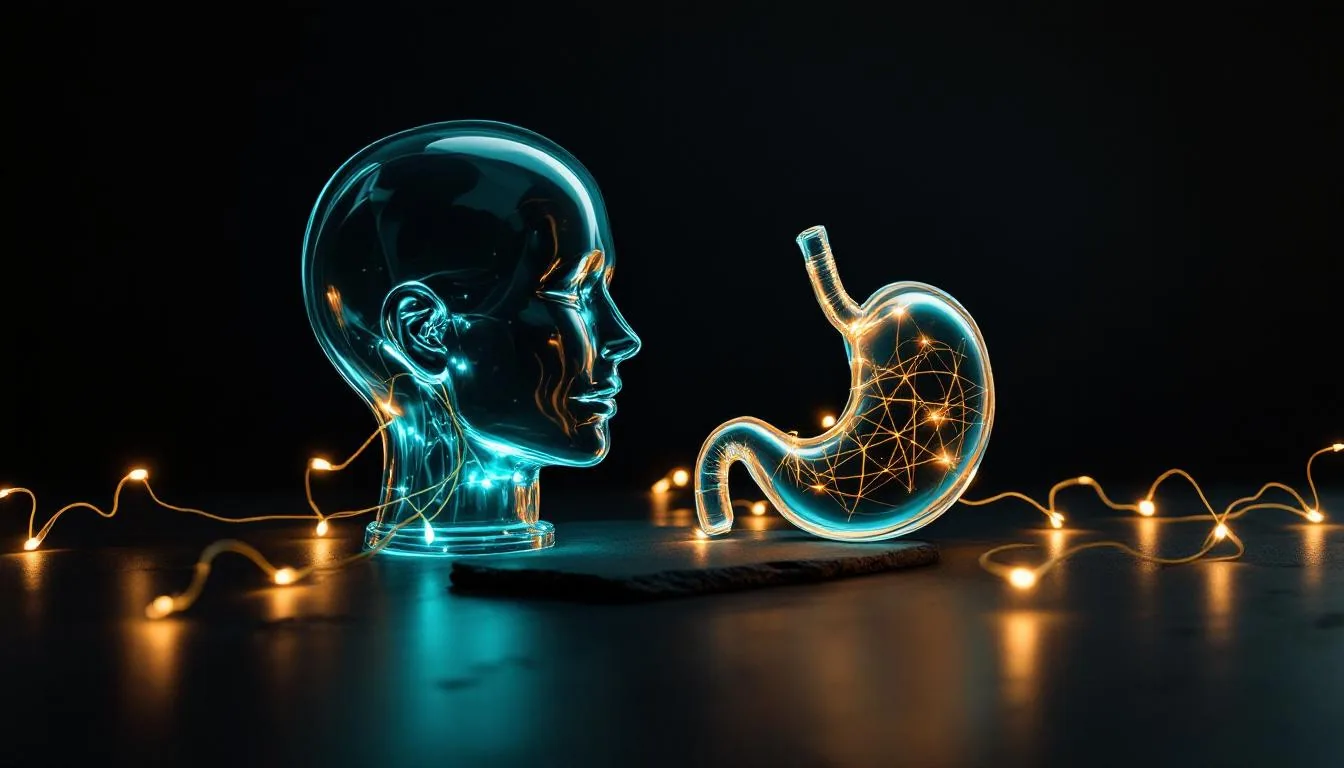
Approximately 95% of the body's serotonin is not produced in the brain — it is made in the gut. This single fact captures why the emerging science of the gut brain connection is reshaping how researchers, clinicians, and patients think about mental health[1]. The gut and brain connection extends far beyond serotonin: the microbiome produces GABA, dopamine precursors, and anti-inflammatory metabolites that directly influence mood, cognition, and stress resilience through what scientists call the gut-brain axis.
For decades, psychiatric medicine focused almost exclusively on the brain as the seat of mood, anxiety, and cognitive function. Groundbreaking research over the past fifteen years has revealed a more complex picture: the trillions of microorganisms in your gut are in constant, bidirectional communication with your brain, influencing how you feel, think, and respond to stress[1]. Explore our mental health goal pathway for a deeper look at strategies that leverage this connection, or see how enhanced gut-brain signaling works at the molecular level.
This article explains how the gut-brain axis works, which bacteria matter most for mental health, what the clinical evidence shows, and practical steps to support both systems simultaneously.
The Bidirectional Highway: Understanding the Gut-Brain Axis
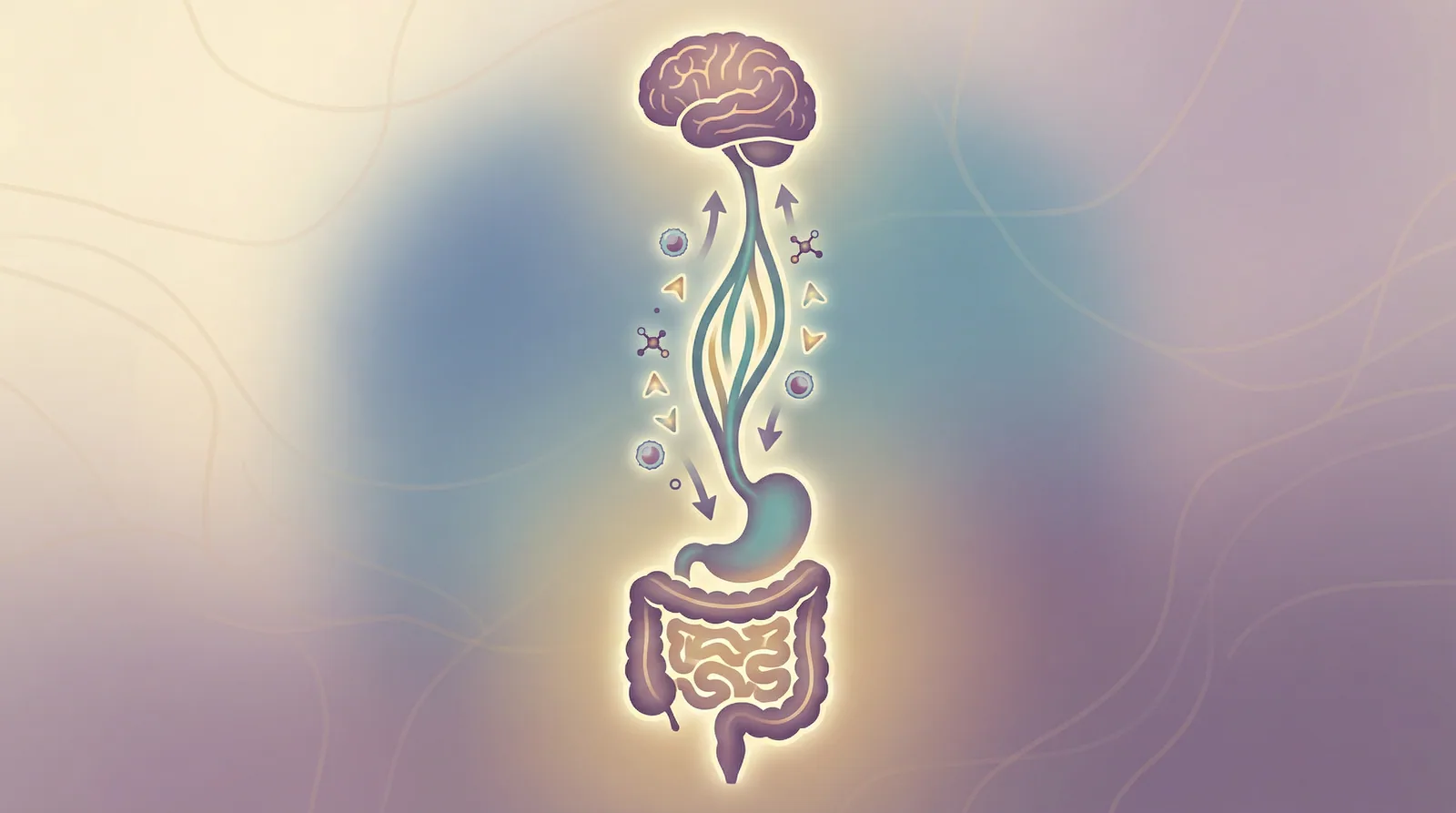
The gut-brain axis is a complex communication network connecting your central nervous system with your enteric nervous system — the 500 million neurons embedded in the walls of the gastrointestinal tract, often called the "second brain." This bidirectional highway allows constant information exchange through several pathways[2]:
- Vagus Nerve Signaling: The vagus nerve serves as a direct communication line between gut bacteria and the brain, with approximately 80% of its fibers carrying signals from gut to brain rather than in the other direction[3]. This means the brain is largely listening to the gut, not just dictating to it.
- Immune System Mediation: Approximately 70% of the immune system resides in and around the gut. Gut microbes regulate systemic inflammation, and chronic low-grade inflammation is now recognized as a key factor in depression and anxiety disorders.
- Neurotransmitter Production: Gut bacteria produce or stimulate the production of neurotransmitters including serotonin, GABA, and dopamine precursors. About 95% of the body's serotonin is produced in enterochromaffin cells of the gut under the influence of gut bacteria[4].
- Metabolite Signaling: Bacterial metabolites, particularly butyrate and other short-chain fatty acids, cross the blood-brain barrier and influence neuroinflammation, stress response, and microglial function.
How Gut Bacteria Produce Neurotransmitters
The biochemical mechanisms by which gut bacteria influence mood are remarkably specific. Three neurotransmitter pathways are particularly well understood.
Serotonin
Serotonin regulates mood, sleep, and appetite. The gut's production of serotonin is driven largely by spore-forming gut bacteria — including Clostridium and related species — that stimulate enterochromaffin cells in the intestinal lining. In germ-free mice (raised without any gut bacteria), serotonin levels are dramatically lower, and they recover when bacteria are reintroduced[4]. Learn more about the role of serotonin in gut health.
GABA
GABA (gamma-aminobutyric acid) is the brain's primary calming neurotransmitter, and low GABA activity is associated with anxiety. Lactobacillus rhamnosus directly increases GABA receptor expression in the brain — an effect that disappears when the vagus nerve is severed, confirming the gut-brain communication pathway is nerve-mediated[3].
The Kynurenine Pathway
This is a less well-known but clinically important mechanism. Tryptophan — the amino acid precursor to serotonin — can also be metabolized via the kynurenine pathway, producing compounds that influence neuroinflammation and are elevated in patients with major depressive disorder. Gut dysbiosis shifts tryptophan metabolism toward the kynurenine pathway at the expense of serotonin production, creating a biochemical connection between gut imbalance and depression[5].
Key Microbiome Players in Mental Health
Research has identified several microorganisms with significant impacts on mental health. These species are among the most studied and are present — or notably absent — in patterns that correlate with mood disorders[5].
Lactobacillus rhamnosus
Lactobacillus rhamnosus is one of the most studied probiotic strains for anxiety. In animal models, oral administration reduced anxiety-like behaviors, lowered corticosterone (the stress hormone), and altered GABA receptor expression throughout the brain — all mediated through the vagus nerve[3]. Multiple human trials have since confirmed effects on perceived stress and cortisol levels.
Bifidobacterium longum
Bifidobacterium longum has shown antidepressant-like properties in both animal models and human studies. The B. longum R0175 strain, combined with Lactobacillus helveticus R0052, reduced psychological distress, anxiety, and depression scores in healthy volunteers compared to placebo — representing one of the cleaner human clinical trials in the psychobiotics field[8].
Faecalibacterium prausnitzii
Faecalibacterium prausnitzii is one of the most abundant bacteria in a healthy gut and one of the most depleted in inflammatory and mood disorders. It is the primary producer of butyrate in the colon, and butyrate's anti-inflammatory effects on the gut lining have cascading benefits for neuroinflammation. F. prausnitzii levels are consistently lower in patients with depression, IBS, and Crohn's disease — suggesting it is a key bacterial bridge between gut inflammation and mental health.
Harmful Influences: When the Balance Shifts
Certain microbiome disruptions can negatively impact mental health:
- Pathogenic bacteria and bacterial toxins (LPS) that breach the intestinal barrier increase systemic inflammation, which is now robustly linked to depression[10]
- Reduced microbiome diversity consistently correlates with higher rates of anxiety and depression in population studies
- Antibiotic use — which drastically disrupts the microbiome — is associated with increased depression and anxiety risk in large epidemiological studies
Gut Dysbiosis, Inflammation, and Anxiety and Depression
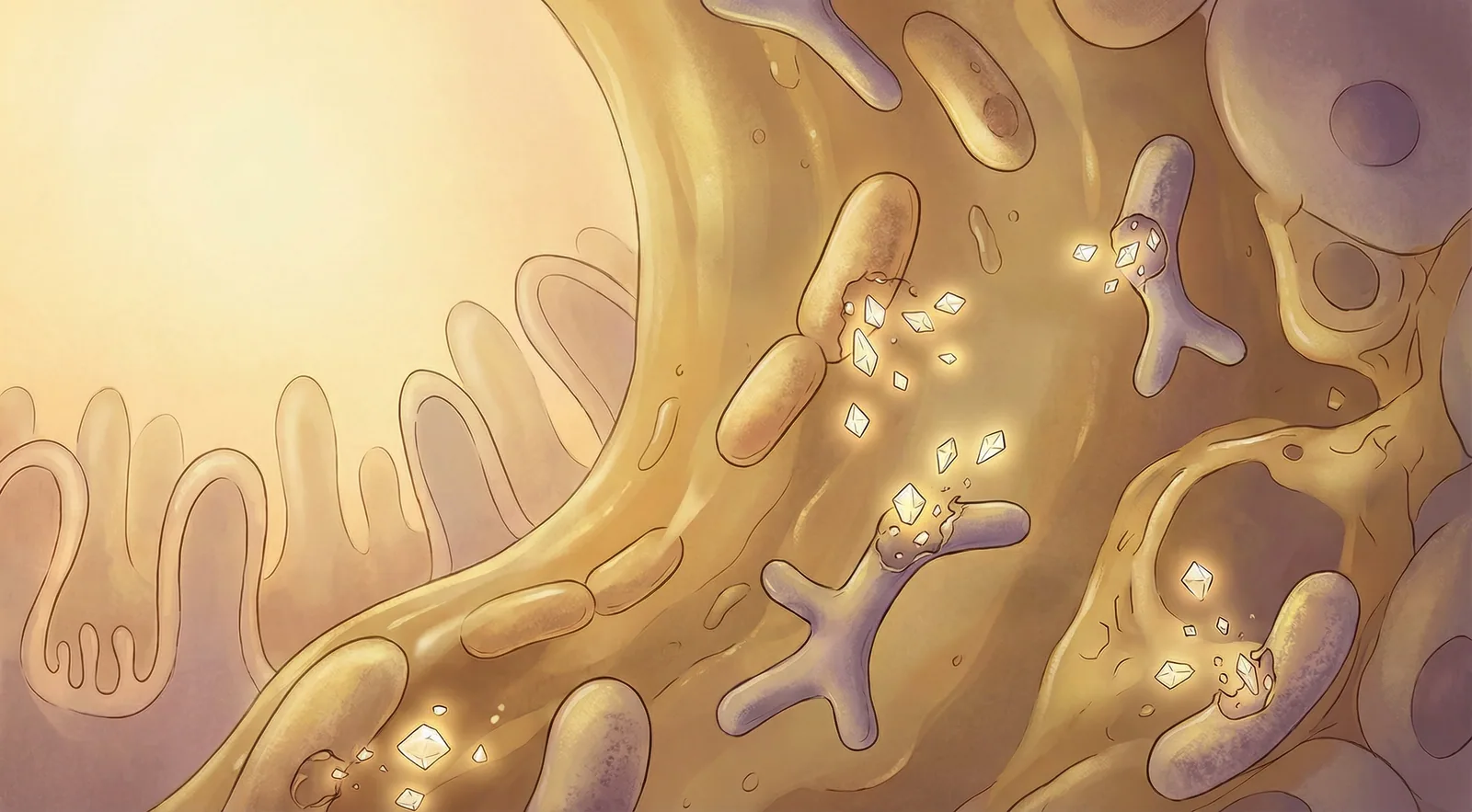
An imbalanced gut microbiome — a state called dysbiosis — can contribute to mental health conditions through the inflammatory pathway. When the gut barrier becomes permeable (so-called "leaky gut"), bacterial lipopolysaccharide (LPS) from gram-negative bacteria enters the bloodstream. LPS triggers a systemic immune response, elevating pro-inflammatory cytokines including IL-6, TNF-α, and IL-1β[11].
These cytokines cross the blood-brain barrier and activate microglia — the brain's resident immune cells — triggering neuroinflammation. Chronic neuroinflammation disrupts the very neurotransmitter pathways involved in mood regulation: serotonin synthesis is reduced, tryptophan is shunted toward the kynurenine pathway, and dopamine signaling is impaired.
Research has found that patients with major depressive disorder have significantly higher serum LPS antibody levels than healthy controls, supporting the hypothesis that gut barrier dysfunction plays a causal role in some depressive episodes. This is why interventions that strengthen the gut lining — including fermented foods, prebiotic fiber, and specific probiotic strains — may have genuine antidepressant mechanisms.
These pathways are not limited to mood. The same LPS-inflammation-neurotransmitter chain is the leading proposed mechanism in ADHD and gut health, where reduced butyrate producers, lower short-chain fatty acid output and elevated circulating adhesion molecules have all been reported.
Explore the mental health goal pathway for evidence-based strategies connecting microbiome optimization to mood support.
Clinical Evidence: Microbiome Interventions for Mental Health
The growing body of research has led to several promising interventions with genuine clinical evidence behind them.
Psychobiotics
Specific probiotic strains showing mental health benefits have been termed "psychobiotics"[6]:
- Lactobacillus rhamnosus (JB-1 strain) reduced anxiety and depressive behavior in mice, with effects blocked by vagotomy, establishing the vagal pathway[3]
- The L. helveticus R0052 + B. longum R0175 combination improved symptoms in patients with psychological distress, reducing anxiety and depression subscales compared to placebo after 30 days[8]
- A landmark 2019 clinical trial found that a multi-strain probiotic reduced cognitive reactivity to sad mood — a key vulnerability marker for depression — in healthy volunteers
Dietary Approaches
Nutrition strategies to support a mental health-promoting microbiome:
- Mediterranean diet rich in polyphenols, prebiotic fiber, and omega-3 fatty acids — associated with significantly lower risk of depression in multiple prospective cohort studies
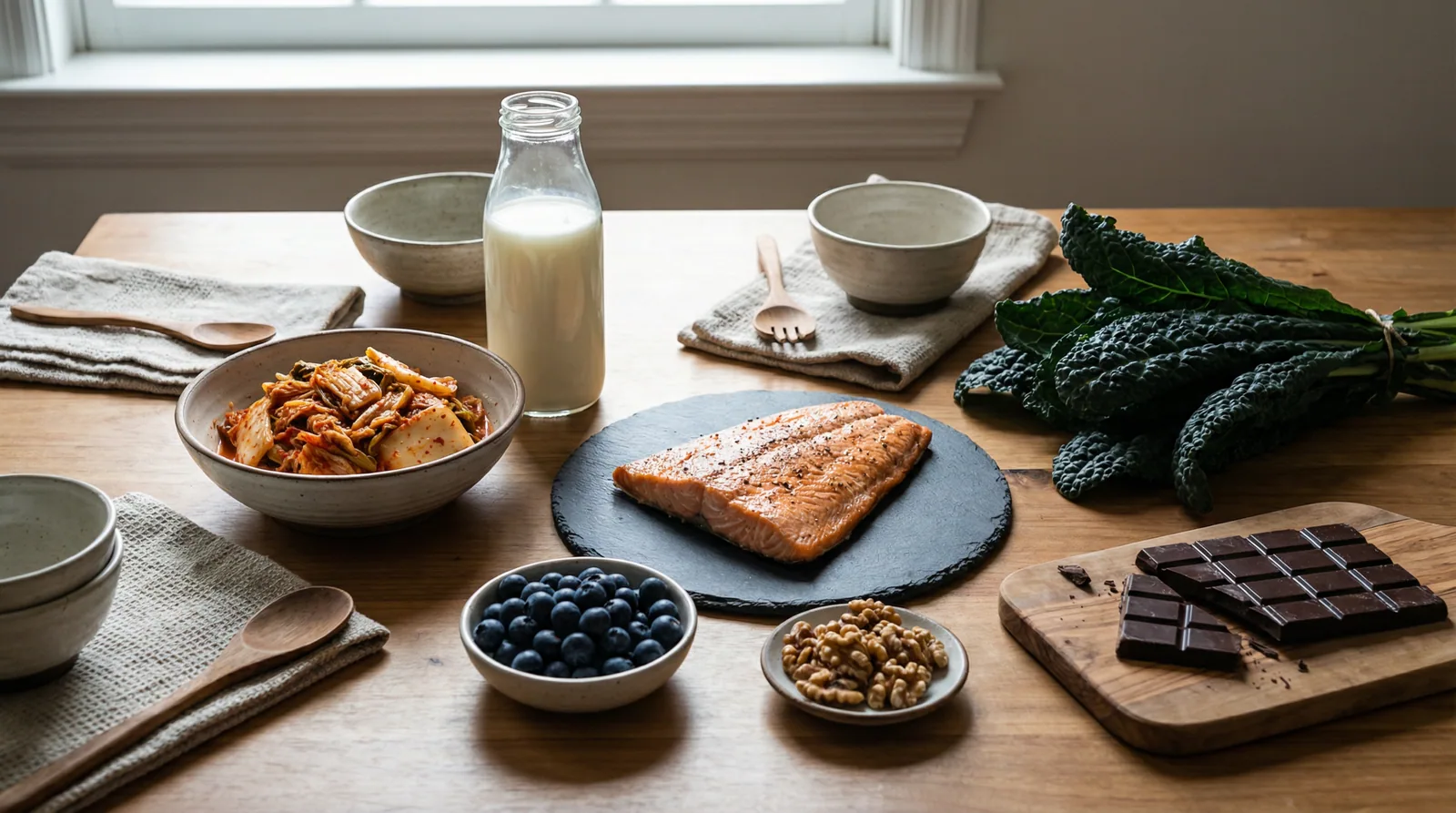
- Fermented foods like yogurt, kefir, and kimchi, which directly introduce live bacteria and short-chain fatty acid precursors
- Prebiotic-rich foods that feed beneficial bacteria: garlic, onions, leeks, asparagus, Jerusalem artichoke, and chicory
- Omega-3 fatty acids to reduce neuroinflammation — particularly DHA and EPA from oily fish
Fecal Microbiota Transplantation
While still experimental for mental health conditions, early research shows promise:
- When researchers transplanted gut microbiota from depressed humans into germ-free rats, the animals developed depression-like behaviors — providing some of the strongest causal evidence in this field[9]
- Case studies report improvement in treatment-resistant depression following FMT for C. difficile infection
- Ongoing Phase II clinical trials are investigating FMT specifically for anxiety disorders and autism spectrum conditions
Assessing Your Gut-Brain Health
Understanding your current gut microbiome composition can help identify deficiencies in the bacteria most relevant to mood. A microbiome test can quantify key species like F. prausnitzii, B. longum, and L. rhamnosus, though clinical interpretation of results is still evolving. Screening for signs of gut dysbiosis — bloating, irregular bowel movements, food sensitivities — alongside mood tracking may reveal patterns that guide dietary intervention.
Future Directions in Microbiome-Based Mental Health Care
The field is rapidly evolving with several exciting developments on the horizon[1]:
- Personalized Psychobiotics: Tailoring probiotic strains based on individual microbiome deficits identified through sequencing
- Engineered Microbes: Bacteria modified to produce neuroactive compounds at specific gut sites
- Microbiome-Friendly Antidepressants: The current generation of SSRIs is now known to have significant antimicrobial effects — future psychiatric drugs may be designed to preserve microbiome health
- Combined Diagnostic Approaches: Integrating gut microbiome data into psychiatric assessment, alongside standard biomarkers
Practical Steps for Supporting Your Gut-Brain Health
While research continues, these evidence-based steps can support the gut-brain axis today:
- Diversify Your Diet: Aim for 30+ different plant foods weekly — diversity of plants drives diversity of bacteria, which is the single strongest predictor of a resilient microbiome
- Include Fermented Foods: Add yogurt, kefir, sauerkraut, or kimchi to your regular diet — a 2021 Stanford trial found a high-fermented-food diet increased microbiome diversity and reduced inflammatory markers within 10 weeks
- Prioritize Prebiotic Fiber: Consume foods that feed beneficial bacteria — garlic, onions, leeks, asparagus, and bananas all contain inulin and FOS
- Reduce Ultra-Processed Foods: Minimize artificial sweeteners, emulsifiers, and highly refined carbohydrates that can disrupt tight junction proteins in the gut lining
- Manage Chronic Stress: Chronic stress directly reshapes the gut microbiome via the HPA axis and cortisol, reducing Lactobacillus and Bifidobacterium populations — stress management is microbiome management
- Consider Evidence-Based Probiotics: Consult a healthcare provider about specific psychobiotic strains with documented mental health benefits[6]
The gut-brain connection represents one of the most exciting frontiers in mental health research. By understanding and nurturing our microbiome — through diet, stress management, and targeted probiotics — we may unlock new approaches to treating and preventing the mood disorders that affect hundreds of millions worldwide.
Frequently Asked Questions
What is the gut-brain axis?
The gut-brain axis is a bidirectional communication network connecting the central nervous system (brain and spinal cord) with the enteric nervous system (the gut's own nervous system). It operates through the vagus nerve, immune signaling, and chemical messengers including neurotransmitters and short-chain fatty acids produced by gut bacteria.
Can gut bacteria really affect mental health?
Yes. Research shows gut microbiota influence brain function through multiple pathways: they produce neurotransmitters including serotonin, GABA, and dopamine precursors; regulate inflammation via the immune system; and send signals to the brain via the vagus nerve. Clinical studies have found probiotic interventions reduce anxiety and depression scores in human subjects.
What probiotic strains are best for mental health?
The most studied strains for mental health are Lactobacillus rhamnosus, Bifidobacterium longum, Lactobacillus helveticus R0052, and Bifidobacterium longum R0175. These are often called psychobiotics. They have shown effects on anxiety, depression scores, and cortisol levels in clinical trials, typically administered for 4–8 weeks.
How long does it take probiotics to affect mood?
Most clinical trials showing mood benefits from probiotics used intervention periods of 4–8 weeks. Some studies observed measurable changes in anxiety and stress markers within 4 weeks. Individual responses vary based on starting microbiome composition, probiotic strain, dose, and diet quality.
What foods support the gut-brain connection?
A Mediterranean-style diet is best supported by evidence for the gut-brain axis. Key components include fermented foods (yogurt, kefir, kimchi, sauerkraut), prebiotic-rich foods (garlic, onions, leeks, asparagus, chicory), omega-3 fatty acids (oily fish, walnuts, flaxseed), polyphenol-rich foods (berries, green tea, dark chocolate), and diverse plant foods.
Frequently Asked Questions
What is the gut-brain axis?
The gut-brain axis is a bidirectional communication network connecting the central nervous system (brain and spinal cord) with the enteric nervous system (the gut's own nervous system). It operates through the vagus nerve, immune signaling, and chemical messengers including neurotransmitters and short-chain fatty acids produced by gut bacteria.
Can gut bacteria really affect mental health?
Yes. Research shows gut microbiota influence brain function through multiple pathways: they produce neurotransmitters including serotonin, GABA, and dopamine precursors; regulate inflammation via the immune system; and send signals to the brain via the vagus nerve. Clinical studies have found probiotic interventions reduce anxiety and depression scores in human subjects.
What probiotic strains are best for mental health?
The most studied strains for mental health are Lactobacillus rhamnosus, Bifidobacterium longum, Lactobacillus helveticus R0052, and Bifidobacterium longum R0175. These are often called psychobiotics. They have shown effects on anxiety, depression scores, and cortisol levels in clinical trials, typically administered for 4–8 weeks.
How long does it take probiotics to affect mood?
Most clinical trials showing mood benefits from probiotics used intervention periods of 4–8 weeks. Some studies observed measurable changes in anxiety and stress markers within 4 weeks. However, individual responses vary based on the starting microbiome composition, probiotic strain, dose, and diet.
What foods support the gut-brain connection?
A Mediterranean-style diet is best supported by evidence for the gut-brain axis. Key components include fermented foods (yogurt, kefir, kimchi, sauerkraut), prebiotic-rich foods (garlic, onions, leeks, asparagus, chicory), omega-3 fatty acids (oily fish, walnuts, flaxseed), polyphenol-rich foods (berries, green tea, dark chocolate), and diverse plant foods to support microbiome diversity.
References
- Cryan JF, O'Riordan KJ, Cowan CSM, et al.. The Microbiota-Gut-Brain Axis. Physiological Reviews. 2019;99(4):1877-2013. doi:10.1152/physrev.00018.2018
- Mayer EA, Tillisch K, Gupta A. Gut/brain axis and the microbiota. Journal of Clinical Investigation. 2015;125(3):926-938. doi:10.1172/JCI76304
- Bravo JA, Forsythe P, Chew MV, et al.. Ingestion of Lactobacillus strain regulates emotional behavior and central GABA receptor expression in a mouse via the vagus nerve. Proceedings of the National Academy of Sciences. 2011;108(38):16050-16055. doi:10.1073/pnas.1102999108
- Yano JM, Yu K, Donaldson GP, et al.. Indigenous bacteria from the gut microbiota regulate host serotonin biosynthesis. Cell. 2015;161(2):264-276. doi:10.1016/j.cell.2015.02.047
- Dinan TG, Cryan JF. Gut instincts: microbiota as a key regulator of brain development, ageing, and neurodegeneration. The Journal of Physiology. 2017;595(2):489-503. doi:10.1113/JP273106
- Sarkar A, Lehto SM, Harty S, et al.. Psychobiotics and the Manipulation of Bacteria-Gut-Brain Signals. Trends in Neurosciences. 2016;39(11):763-781. doi:10.1016/j.tins.2016.09.002
- Hsiao EY, McBride SW, Hsien S, et al.. Microbiota modulate behavioral and physiological abnormalities associated with neurodevelopmental disorders. Cell. 2013;155(7):1451-1463. doi:10.1016/j.cell.2013.11.024
- Messaoudi M, Lalonde R, Violle N, et al.. Assessment of psychotropic-like properties of a probiotic formulation (Lactobacillus helveticus R0052 and Bifidobacterium longum R0175) in rats and human subjects. British Journal of Nutrition. 2011;105(5):755-764. doi:10.1017/S0007114510004319
- Kelly JR, Borre Y, O'Brien C, et al.. Transferring the blues: Depression-associated gut microbiota induces neurobehavioural changes in the rat. Journal of Psychiatric Research. 2016;82:109-118. doi:10.1016/j.jpsychires.2016.07.019
- Evrensel A, Ceylan ME. The Gut-Brain Axis: The Missing Link in Depression. Clinical Psychopharmacology and Neuroscience. 2015;13(3):239-244. doi:10.9758/cpn.2015.13.3.239
- Kelly JR, Kennedy PJ, Cryan JF, et al.. Breaking down the barriers: the gut microbiome, intestinal permeability and stress-related psychiatric disorders. Frontiers in Cellular Neuroscience. 2015;9:392. doi:10.3389/fncel.2015.00392