

Overview
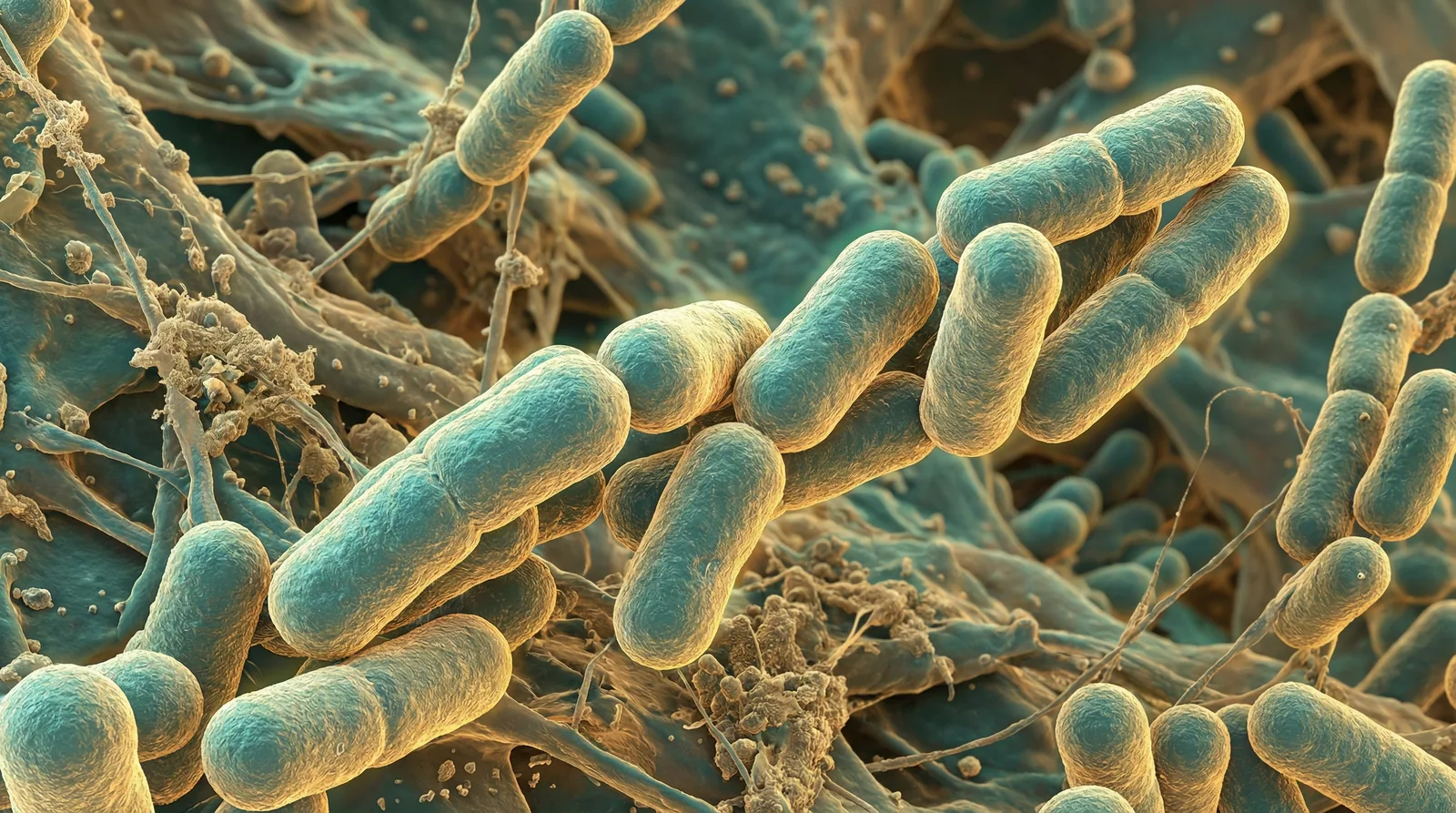
Alistipes putredinis is a Gram-negative, rod-shaped, obligate anaerobic bacterium belonging to the Bacteroidetes phylum and Rikenellaceae family. It is a core member of the healthy human gut microbiota, residing as a bile-resistant bacterium in the distal ileum and colon. The species has gained significant research interest due to its context-dependent effects on human health.[1]
Key Characteristics
- Morphology: Gram-negative, non-spore-forming rods
- Metabolism: Asaccharolytic/proteolytic; primarily ferments amino acids and proteins
- Indole production: Positive - actively produces indole and derivatives
- Major metabolites: Succinate, propionate, acetate, indole-3-propionic acid (IPA)
- Antibiotic sensitivity: Sensitive to clindamycin, cefoxitin, chloramphenicol, erythromycin, and metronidazole
Metabolic Activities
Amino Acid Fermentation
A. putredinis has adopted a unique "putrefaction" strategy, primarily fermenting proteins and amino acids rather than carbohydrates to evade competition with other gut bacteria.[1]
Key Metabolites Produced
Short-Chain Fatty Acids (SCFAs):
- Succinate: Major end-product; intermediate in propionate production
- Propionate: Produced via succinate pathway; associated with blood pressure regulation
- Acetate: Primary SCFA produced
Indole Derivatives:
- Indole-3-propionic acid (IPA): Potent antioxidant with neuroprotective and vascular protective properties
- Indoleacrylic acid (IA): Anti-inflammatory compound
Health Associations
Protective/Beneficial Effects
Cardiovascular Health[2]
- Negatively associated with blood pressure and arterial stiffness
- IPA production provides antioxidant protection to vascular endothelium
- Higher abundance correlates with reduced cardiovascular disease risk
Metabolic Health[3]
- Associated with insulin sensitivity and better glucose homeostasis
- Potent consumer of host-accessible carbohydrates that accumulate in insulin resistance
- Negatively correlated with fecal monosaccharides
Liver Disease[4]
- Ameliorates metabolic dysfunction-associated steatotic liver disease (MASLD/NAFLD)
- Reduces hepatic steatosis, liver inflammation, and body weight gain
- Increases beneficial bacteria and elevates serum butyrate, IPA, and IA levels
Food Allergy[5]
- Significantly depleted in children with food allergies
- SCFA production critical for gut barrier integrity and anti-inflammatory responses
- Marker of healthy, mature gut microbiota
Cancer Immunotherapy Response
- Enriched in responders to anti-PD-1 (nivolumab) therapy in NSCLC
- May enhance antitumor immune surveillance
Potentially Harmful Effects (Context-Dependent)
Inflammatory Bowel Disease: Can exacerbate DSS-induced colitis when intestinal barrier is compromised through succinate-mediated NLRP3 inflammasome activation[1]
Mental Health: Complex relationship - depleted in major depressive disorder but positively correlated with IL-6 and cognitive interference
Physical Activity Modulation
A. putredinis acts as a species-specific modifier of metabolic response to physical activity:[6]
- Higher abundance (>3%) strengthens beneficial association between physical activity and weight management
- Encodes pathways for folate transformation, fatty acid oxidation, and gluconeogenesis
- Inversely correlated with obesity; higher abundance associated with healthier BMI
Diet and Lifestyle Factors
Factors Increasing Abundance
- High-fiber diet
- Cruciferous vegetables
- Mediterranean diet
- Complex carbohydrates
- Metformin use
Factors Decreasing Abundance
- High-fat diet
- Western diet (low fiber, high processed foods)
- Proton pump inhibitors (PPIs)
Conditions Associated with Depletion
- Inflammatory bowel disease (IBD)
- Liver cirrhosis
- Chronic fatigue syndrome
- Anxiety disorders
- Obesity
- Heart failure
- Gestational diabetes mellitus
Fungal Antagonism
A. putredinis produces propanoic and butanoic acids with fungistatic properties that can inhibit Candida albicans growth by up to 23%, providing protection against fungal overgrowth.