

Better Sebum Regulation
Achieve balanced oil production through gut microbiome optimization to prevent both excess oiliness and dryness for healthier skin.
Key Supporting Microbes
These beneficial microorganisms play key roles in supporting this health benefit:
The Sebum Balancing Act
Sebum—the oily substance produced by sebaceous glands—is essential for skin health. It moisturizes skin, protects against pathogens, and maintains the skin barrier. But too much sebum leads to oily skin and acne, while too little causes dryness and irritation.
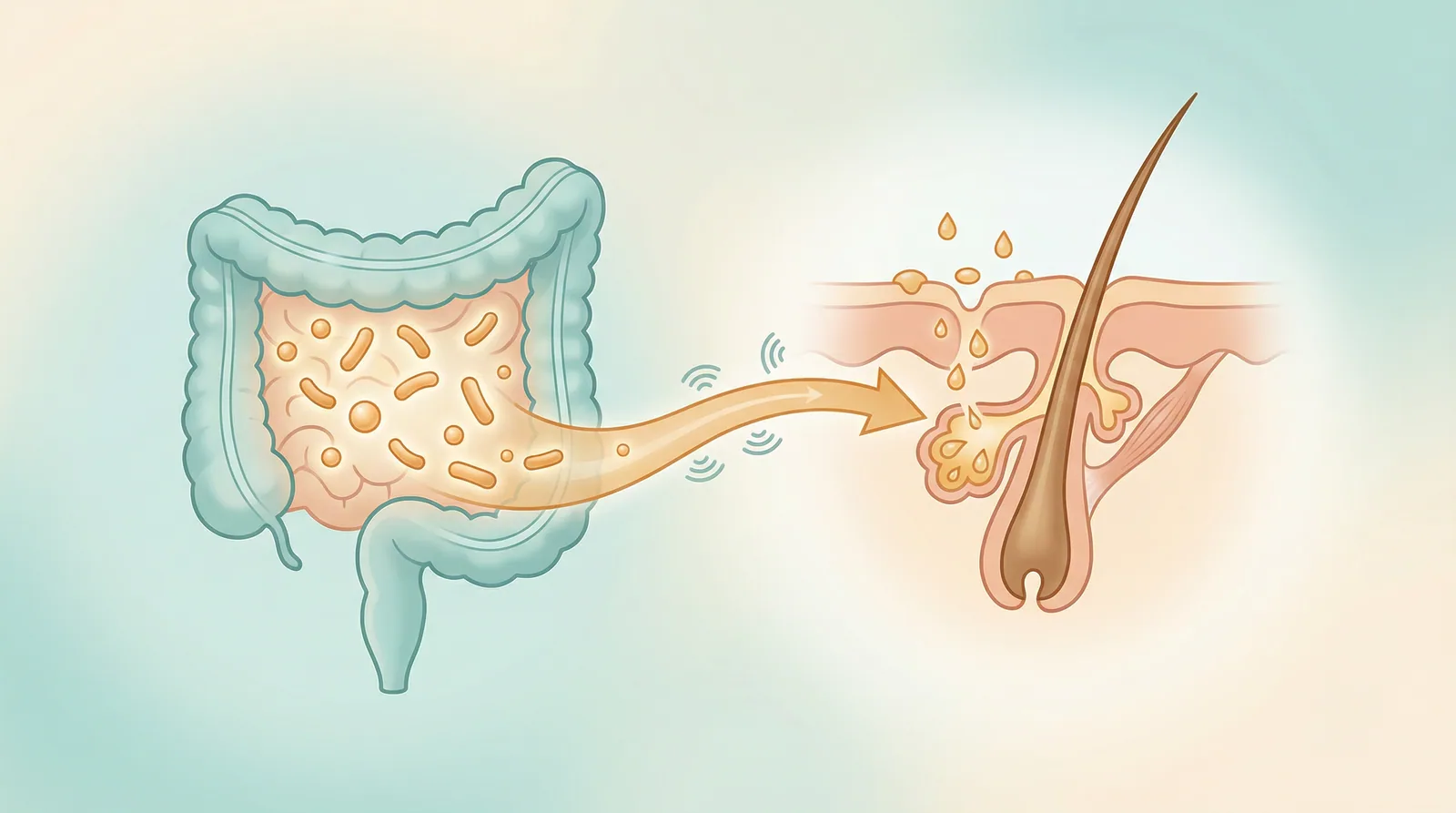
What many people don't realize is that sebum production is significantly influenced by internal factors—particularly hormones, insulin signaling, and inflammation—all of which are affected by your gut microbiome.[1]
How the Gut Affects Sebum
Insulin and IGF-1 Signaling
The diet-gut-skin connection affects sebum through hormonal pathways:[2]
High-glycemic foods:
- Spike blood glucose and insulin
- Insulin increases IGF-1 (insulin-like growth factor)
- IGF-1 stimulates sebaceous gland activity
- Results in increased sebum production
Gut bacteria influence:
- Affect glucose metabolism and insulin sensitivity
- Healthy microbiome improves insulin signaling
- This reduces excessive sebum-stimulating signals
- Diet affects both microbiome and insulin response
Androgen Metabolism
Sex hormones strongly influence sebum:
- Androgens stimulate sebaceous glands
- Gut bacteria metabolize androgens
- The "estrobolome" affects hormone balance
- Dysbiosis can lead to androgen excess
Inflammation and Sebum
Inflammatory signals affect sebaceous glands:
- Inflammatory cytokines alter sebum composition
- Make sebum more comedogenic (pore-clogging)
- Change fatty acid ratios in sebum
- Gut inflammation contributes to skin inflammation
Nutrient Status
Key nutrients for sebum regulation:
Zinc:
- Regulates sebaceous gland function
- Deficiency associated with increased sebum
- Gut health affects zinc absorption
- Often low in acne patients
Essential fatty acids:
- Influence sebum composition
- Omega-3s produce less inflammatory sebum
- Balance of omega-3/omega-6 matters
- Gut health affects fatty acid metabolism
Key Microbes for Sebum Balance
Lactobacillus paracasei
Studied for skin benefits:
- Reduces skin sensitivity
- May help normalize sebum
- Improves skin barrier function
- Strain ST11 specifically researched
Lactobacillus rhamnosus
Supports skin through multiple mechanisms:
- Reduces inflammation
- May improve insulin sensitivity
- Associated with better skin outcomes
- Strain GG well-studied
Bifidobacterium longum
Balances inflammation:
- Reduces inflammatory cytokines
- Supports healthy hormone metabolism
- Associated with improved skin
- Multiple strains beneficial
Lactobacillus acidophilus
Foundational support:
- Supports overall gut health
- May help with hormone metabolism
- Part of effective combinations
- Long safety record

Signs of Sebum Imbalance
Excess Sebum
- Persistently oily skin, especially T-zone
- Enlarged, visible pores
- Frequent acne breakouts
- Makeup that "slides off"
- Need to blot or wash face frequently
- Shiny appearance within hours of washing
Insufficient Sebum
- Tight, dry feeling skin
- Flakiness and rough texture
- Fine lines more visible
- Skin feels uncomfortable after cleansing
- Products absorb too quickly
- Dull, lackluster appearance
Dietary Strategies for Sebum Balance
Blood Sugar Management
Low-glycemic eating reduces sebum:[2]
Choose:
- Whole grains over refined
- Legumes and beans
- Non-starchy vegetables
- Whole fruits (not juice)
- Protein with each meal
Limit:
- White bread and pasta
- Sugary drinks and snacks
- Refined cereals
- Processed foods
Dairy Consideration
Dairy may affect sebum in some people:[3]
- Contains hormones that may stimulate sebum
- IGF-1 in milk may contribute
- Skim milk potentially more problematic than whole
- Individual responses vary—trial elimination helpful
Essential Fatty Acid Balance
Optimize fat intake:
Increase omega-3s:
- Fatty fish
- Walnuts and flaxseed
- Chia seeds
- May improve sebum quality
Moderate omega-6s:
- Reduce seed oils
- Limit processed foods
- Balance is key
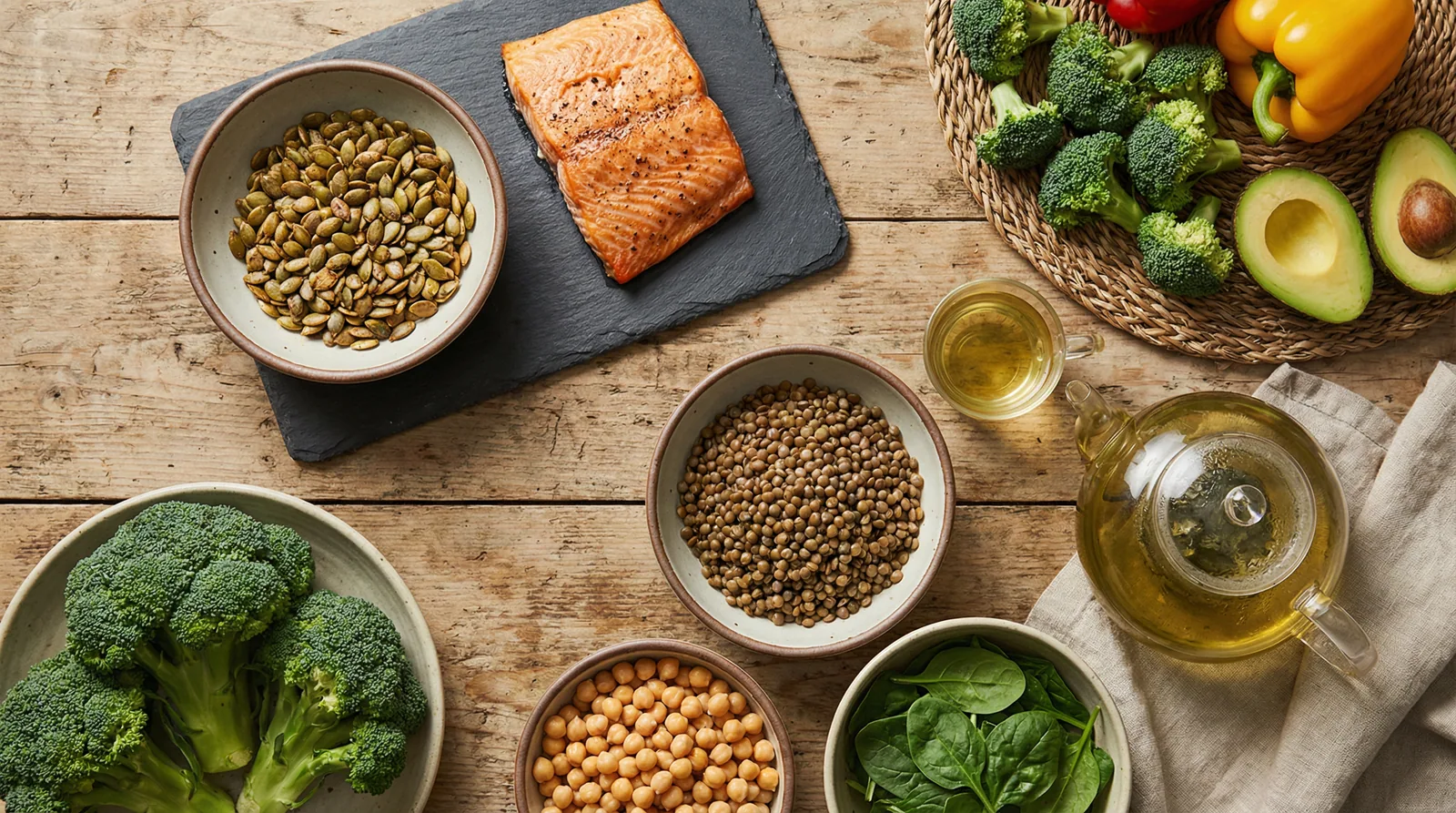
Zinc-Rich Foods
Support sebaceous gland health:
- Pumpkin seeds
- Beef and lamb
- Chickpeas
- Cashews
- Oysters
Fermented Foods
Support gut-skin axis:
- Daily consumption recommended
- Variety of fermented foods
- Support overall microbiome health
Lifestyle Factors
Stress Management
Stress increases sebum production:
- Cortisol and androgens rise with stress
- Stimulates sebaceous glands
- Creates stress-acne cycle
- Regular stress management helps
Sleep
Sleep affects hormones that control sebum:
- Growth hormone release during sleep
- Cortisol regulation depends on sleep
- Poor sleep increases stress hormones
- Aim for consistent 7-9 hours
Skincare Approach
External care matters too:
Do:
- Use gentle, pH-balanced cleansers
- Apply lightweight, non-comedogenic moisturizers
- Use niacinamide products (may regulate sebum)
- Consider retinoids under guidance
Avoid:
- Harsh, stripping cleansers
- Over-washing (triggers rebound oiliness)
- Heavy, occlusive products on oily areas
- Touching face frequently
The Gut-Skin Feedback Loop
Addressing sebum through the gut creates positive cycles:
- Improved gut health → Better insulin sensitivity
- Better insulin sensitivity → Reduced IGF-1 signaling
- Reduced IGF-1 → Normalized sebum production
- Less excess sebum → Fewer breakouts
- Healthier skin microbiome → Better skin overall
Building Better Sebum Balance
Achieving balanced sebum through the gut involves:
- Adopting low-glycemic eating to reduce insulin spikes
- Considering dairy reduction to assess personal response
- Balancing essential fatty acids for sebum quality
- Including zinc-rich foods for gland regulation
- Supporting gut health with fiber and fermented foods
- Managing stress which increases oil production
Most people notice improvements in skin oiliness within 4-6 weeks of dietary changes. Achieving truly balanced sebum typically takes 2-3 months as hormonal patterns shift and the skin adapts to new signaling.
Supporting Practices
Evidence-based strategies to support this benefit:
- Balance omega-3 and omega-6 fatty acid intake
- Reduce high-glycemic foods that spike insulin
- Manage stress which increases sebum production
- Include zinc-rich foods for sebaceous gland health
- Stay hydrated to support balanced oil production
- Avoid harsh cleansers that trigger rebound oiliness
Frequently Asked Questions
What is Better Sebum Regulation?
Achieve balanced oil production through gut microbiome optimization to prevent both excess oiliness and dryness for healthier skin.
How does the microbiome support better sebum regulation?
Your gut microbiome plays a crucial role in better sebum regulation through various mechanisms involving specific beneficial bacteria and their metabolites.
Which microbes are important for better sebum regulation?
Key beneficial microbes include: Lactobacillus paracasei, Lactobacillus rhamnosus, Bifidobacterium longum, Lactobacillus acidophilus.
References
- Melnik BC, Zouboulis CC. Potential role of FoxO1 and mTORC1 in the pathogenesis of Western diet-induced acne. Experimental Dermatology. 2013;22(5):311-315. doi:10.1111/exd.12142 ↩
- Smith RN, Mann NJ, Braue A, et al.. A low-glycemic-load diet improves symptoms in acne vulgaris patients. American Journal of Clinical Nutrition. 2007;86(1):107-115. doi:10.1093/ajcn/86.1.107 ↩
- Burris J, Rietkerk W, Woolf K. Relationships of self-reported dietary factors and perceived acne severity. Journal of the Academy of Nutrition and Dietetics. 2014;114(3):384-392. doi:10.1016/j.jand.2013.11.010 ↩