

Psyllium Husk: Benefits & Dosage
Psyllium husk is a viscous gel-forming fiber from Plantago ovata seeds with proven prebiotic benefits for bowel regularity, cholesterol, and blood glucose.
Food Sources
Naturally found in these foods:
Key Benefits
- Regulates bowel movements
- Lowers LDL cholesterol
- Supports blood glucose control
- Promotes SCFA production
- Supports healthy weight management
Bacteria This Prebiotic Feeds
This prebiotic selectively nourishes these beneficial microorganisms:
Overview
Psyllium husk is a soluble, gel-forming fiber derived from the seed coat of Plantago ovata, a plant native to India and Pakistan[4]. Distinguished by its exceptional water-binding capacity and high viscosity, psyllium has become one of the most widely used fiber supplements worldwide. While traditionally recognized for its laxative properties, psyllium has gained attention for its prebiotic potential, cardiovascular benefits, and role in metabolic health management.
Composition and Properties
Chemical Composition
Psyllium husk consists primarily of:
- Arabinoxylan polysaccharides: 85% of the husk
- Uronic acids: Minor component
- Protein and lipids: Trace amounts
Physical Properties
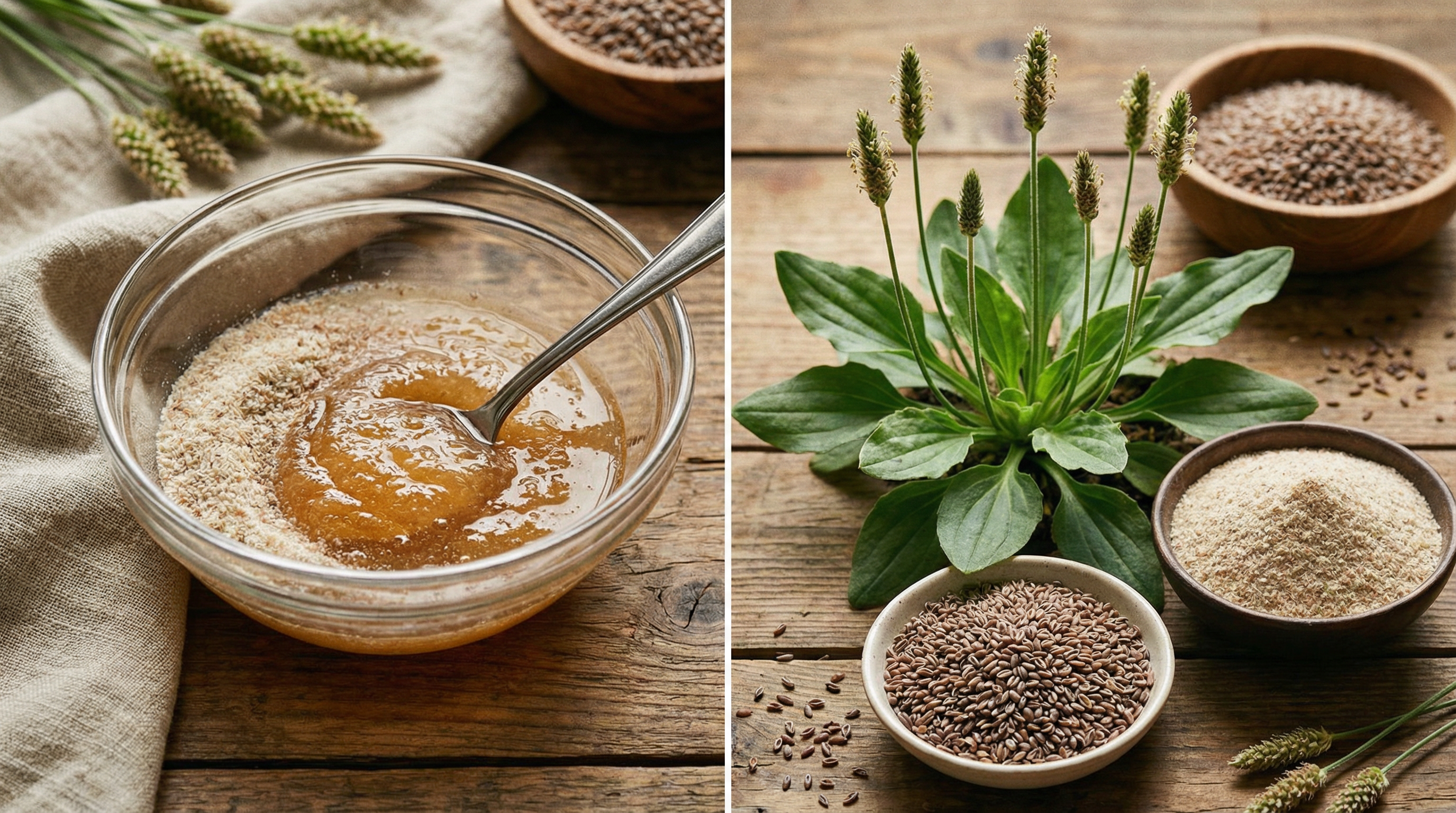
- Water-holding capacity: Can absorb 10-14 times its weight in water
- High viscosity: Forms a thick gel in aqueous solutions
- Fermentation resistance: Slowly fermented compared to other fibers
- Molecular weight: Very high, contributing to gel properties
Mechanism of Action
Gel Formation
Psyllium's health effects largely stem from its gel-forming properties:
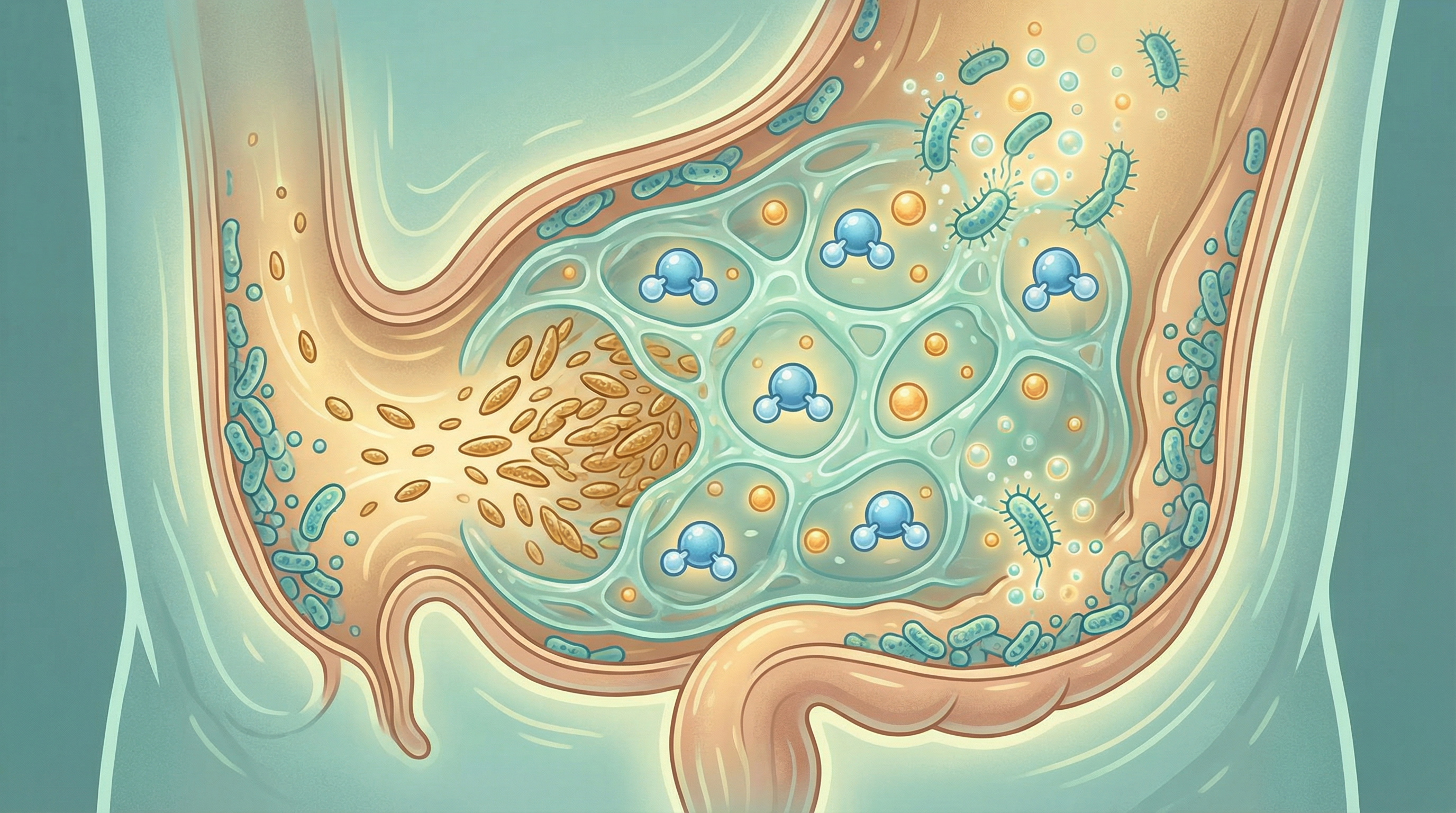
- Absorbs water in the GI tract, forming a viscous gel
- Slows gastric emptying and intestinal transit
- Increases stool bulk and moisture content
- Creates a barrier that slows nutrient absorption
Prebiotic Fermentation
Despite its gel-forming nature, psyllium undergoes partial fermentation in the colon[2]:
- Approximately 70% reaches the colon intact
- Fermented by colonic bacteria over extended period
- Produces SCFAs, particularly in the distal colon
- Supports specific beneficial bacterial populations
Cholesterol Binding
Psyllium reduces cholesterol through:
- Direct bile acid binding in the intestine
- Increased bile acid excretion
- Compensatory hepatic cholesterol conversion to bile acids
- Reduced intestinal cholesterol absorption
Effects on Gut Microbiome
Microbiome Research
A landmark study examining psyllium's effects on gut microbiota found significant impacts[2]:
In Constipated Patients:
- Increased Faecalibacterium abundance
- Enhanced Lachnospira populations
- Improved microbial diversity indices
- Normalized dysbiotic patterns
In Healthy Controls:
- Maintained microbiome stability
- Supported existing beneficial populations
- No adverse microbiome shifts
- Preserved diversity
SCFA Production
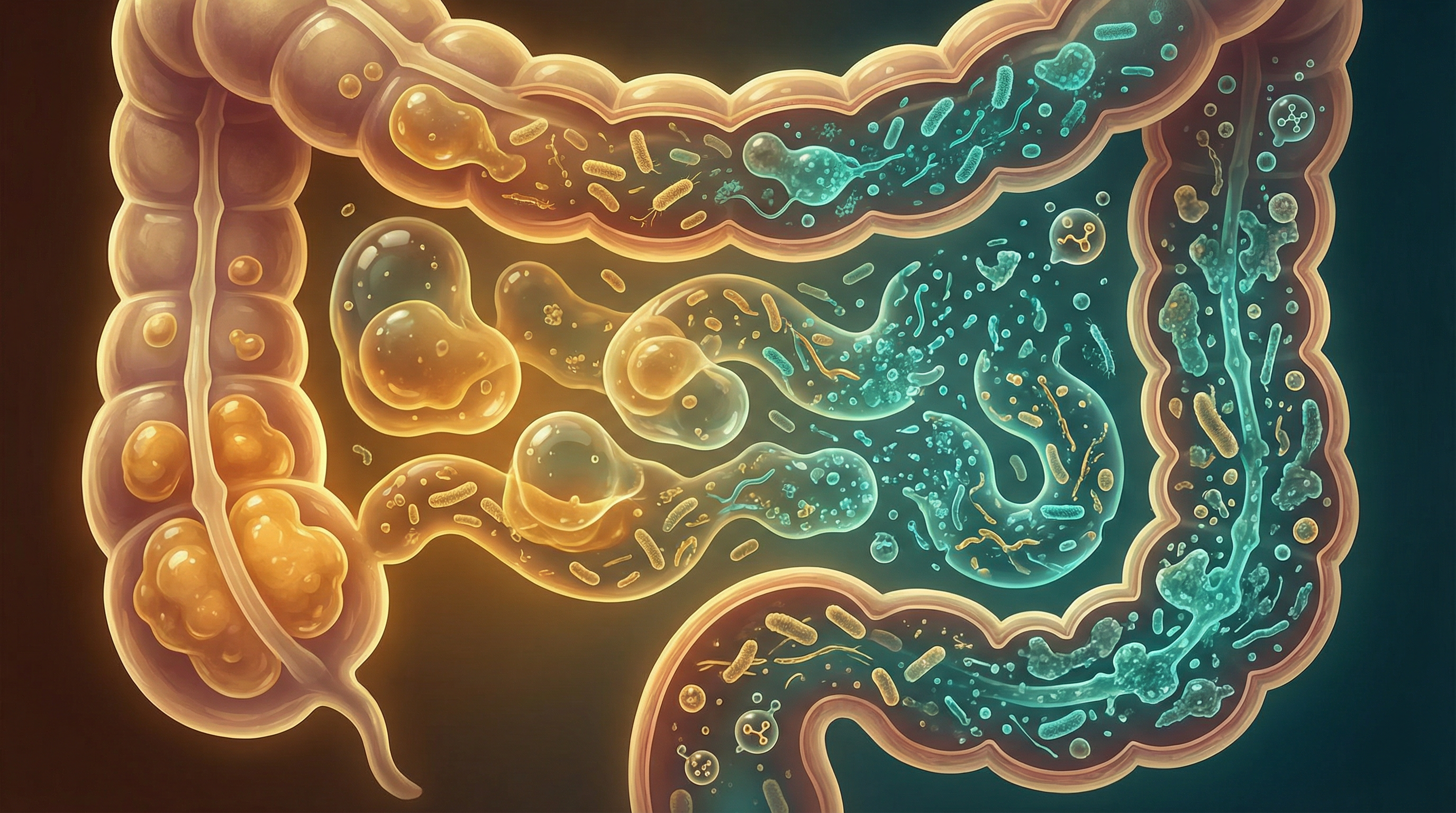
Psyllium's slow fermentation yields sustained SCFA production:
- Extended fermentation throughout the colon
- Butyrate production in distal regions
- Acetate and propionate generation
- Prolonged metabolic effects
Clinical Evidence
Bowel Function
EFSA has approved health claims for psyllium and bowel regularity[4]:
- Effective dose: 7g daily (in divided doses with water)
- Mechanism: Increased stool bulk and water content
- Effect: Promotes regular bowel movements
- Evidence level: High-quality clinical trials
Irritable Bowel Syndrome
A randomized controlled trial demonstrated psyllium's benefits in IBS[5]:
- Significant reduction in IBS symptom severity
- Superior to bran (insoluble fiber)
- Well-tolerated with minimal side effects
- Effective for constipation-predominant IBS
Cardiovascular Health
Psyllium has robust evidence for cardiovascular benefits[1]:
LDL Cholesterol Reduction: Meta-analyses demonstrate significant LDL-lowering effects[6]:
- Average reduction of 6-7% with 10g daily
- Time-dependent effects (greater with longer use)
- Dose-dependent response
- FDA-approved health claim for coronary heart disease risk reduction
Blood Glucose Management
Comprehensive meta-analysis shows psyllium improves glycemic control[3]:
| Population | Effect |
|---|---|
| Euglycemic individuals | Maintenance of normal glucose |
| At-risk individuals | Prevention of glucose elevation |
| Type 2 diabetes | Improved HbA1c and fasting glucose |
Key findings:
- Proportional benefit to degree of glycemic dysfunction
- Greater effects in those with poorer glycemic control
- Mechanism: Slowed glucose absorption and improved insulin sensitivity
Dosage and Administration
Recommended Dosages
| Goal | Dose | Frequency |
|---|---|---|
| Bowel regularity | 7-10g | Daily (divided) |
| Cholesterol reduction | 7-15g | Daily (divided) |
| Glycemic control | 10-15g | Before meals |
| General fiber supplementation | 5-10g | Daily |
Administration Guidelines
- Always with water: Take with at least 240ml (8 oz) water per dose
- Divided doses: Split total daily amount into 2-3 doses
- Timing: Before or with meals for glycemic benefits
- Gradual introduction: Start with 2-3g, increase over 1-2 weeks
Critical Safety Note
Never take psyllium without adequate fluid—insufficient water can lead to:
- Esophageal or intestinal obstruction
- Choking risk
- Constipation worsening
Comparison with Other Fibers
| Feature | Psyllium | Inulin | FOS | Bran |
|---|---|---|---|---|
| Solubility | High | High | High | Low |
| Viscosity | Very high | Low | Low | N/A |
| Fermentation | Slow | Moderate | Fast | Slow |
| Laxative effect | Strong | Mild | Mild | Moderate |
| Cholesterol-lowering | Strong | Weak | Weak | Moderate |
| FODMAP status | Low | High | High | Low |
Advantages of Psyllium
For Bowel Health
- Effective for both constipation and diarrhea
- Normalizes stool form and frequency
- Well-tolerated in IBS
- Low FODMAP (suitable for FODMAP-sensitive individuals)
For Metabolic Health
- Proven cholesterol reduction
- Blood glucose management benefits
- May support healthy weight
- Approved health claims in multiple jurisdictions
For Prebiotic Effects
- Supports beneficial bacteria
- Extended colonic fermentation
- Promotes butyrate producers
- Maintains microbiome diversity
Safety and Tolerability
General Safety
Psyllium is generally very safe with decades of use:
- GRAS status
- Safe during pregnancy and lactation
- Appropriate for children (with age-adjusted doses)
- Long-term use is safe and effective
Potential Side Effects
- Mild bloating and gas (usually temporary)
- Abdominal discomfort
- Allergic reactions (rare)
Contraindications
- Esophageal narrowing or swallowing disorders
- Intestinal obstruction
- Known hypersensitivity to psyllium
Drug Interactions
Psyllium can affect absorption of certain medications:
- Take medications 1-2 hours before psyllium
- Monitor medications with narrow therapeutic windows
- Discuss with healthcare provider if taking multiple medications
Summary
Psyllium husk stands as one of the most versatile and evidence-based fiber supplements available. Its unique gel-forming properties deliver proven benefits for bowel regularity, cardiovascular health, and blood glucose management, while its slow fermentation pattern provides prebiotic effects that support beneficial gut bacteria. The combination of regulatory-approved health claims, extensive clinical evidence, and excellent safety profile makes psyllium a foundational fiber supplement for comprehensive digestive and metabolic health support.
Dosage Guidelines
Recommended Dosage
5-10g daily
Start with a lower dose and gradually increase to minimize digestive discomfort. Consult a healthcare provider for personalized recommendations.
Frequently Asked Questions
What is Psyllium Husk: Benefits & Dosage?
Psyllium husk is a viscous gel-forming fiber from Plantago ovata seeds with proven prebiotic benefits for bowel regularity, cholesterol, and blood glucose.
What foods contain Psyllium Husk: Benefits & Dosage?
Psyllium Husk: Benefits & Dosage can be found in: Plantago ovata seeds (Ispaghula), Commercial fiber supplements.
What are the health benefits of Psyllium Husk: Benefits & Dosage?
Key benefits include: Regulates bowel movements, Lowers LDL cholesterol, Supports blood glucose control, Promotes SCFA production, Supports healthy weight management.
References
- McRae MP. Dietary fiber is beneficial for the prevention of cardiovascular disease: An umbrella review of meta-analyses. Journal of Chiropractic Medicine. 2017;16(4):289-299. doi:10.1016/j.jcm.2017.05.005
- Jalanka J, Major G, Murray K, et al.. The effect of psyllium husk on intestinal microbiota in constipated patients and healthy controls. International Journal of Molecular Sciences. 2019;20(2):433. doi:10.3390/ijms20020433
- Gibb RD, McRorie JW Jr, Russell DA, et al.. Psyllium fiber improves glycemic control proportional to loss of glycemic control: a meta-analysis of data in euglycemic subjects, patients at risk of type 2 diabetes mellitus, and patients being treated for type 2 diabetes mellitus. American Journal of Clinical Nutrition. 2015;102(6):1604-1614. doi:10.3945/ajcn.115.106989
- EFSA Panel on Dietetic Products, Nutrition and Allergies. Scientific Opinion on the substantiation of health claims related to psyllium husks and maintenance of normal defecation. EFSA Journal. 2017;8(2):1497. doi:10.2903/j.efsa.2010.1497
- Bijkerk CJ, de Wit NJ, Muris JWM, et al.. Soluble or insoluble fibre in irritable bowel syndrome in primary care? Randomised placebo controlled trial. BMJ. 2009;339:b3154. doi:10.1136/bmj.b3154
- Wei ZH, Wang H, Chen XY, et al.. Time- and dose-dependent effect of psyllium on serum lipids in mild-to-moderate hypercholesterolemia: a meta-analysis of controlled clinical trials. European Journal of Clinical Nutrition. 2009;63:821-827. doi:10.1038/ejcn.2008.49