

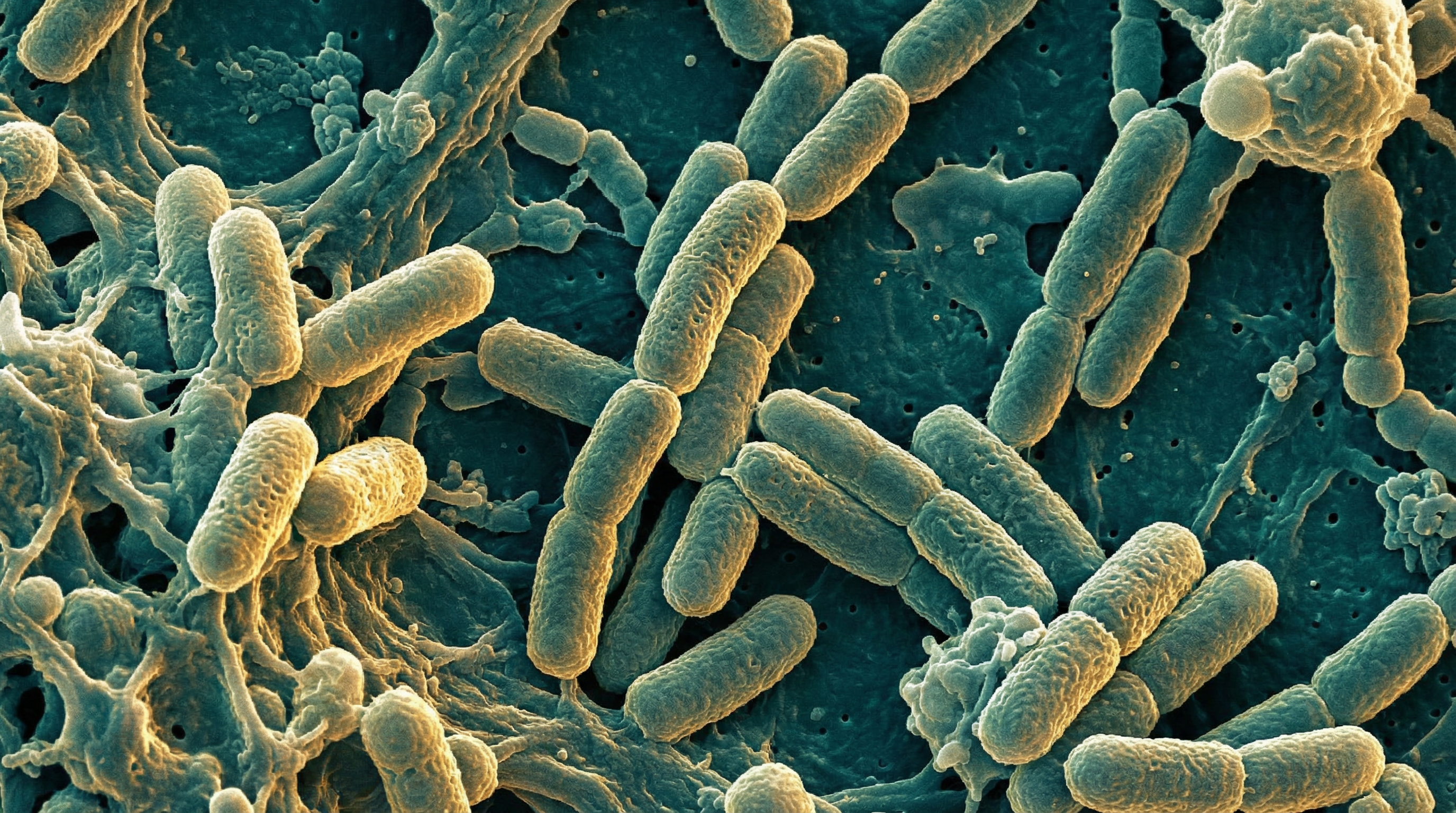
Lactobacillus casei (including the closely related L. paracasei) is a highly researched probiotic species known for its versatile health benefits across gastrointestinal, metabolic, immune, and neurological systems. The most extensively studied strain is L. casei Shirota (LcS), discovered in 1930 and used in commercial fermented milk products worldwide[1].
Gastrointestinal Health Benefits
Constipation Relief
Multiple randomized controlled trials demonstrate that L. casei strains improve constipation-related symptoms[2]:
- Stool frequency: Increases bowel movements by 0.6-1.5 times per week
- Stool consistency: Improves Bristol Stool Scale scores toward normal
- Colonic transit: Enhances gut motility through organic acid production (acetate, lactate)
- Mechanism: Fermentation produces short-chain fatty acids that stimulate colonic muscle contractions and water secretion
Diarrhea Prevention and Treatment
L. casei is effective against various forms of diarrhea[3]:
- Acute diarrhea: Reduces duration by approximately 24 hours in children
- Antibiotic-associated diarrhea (AAD): Prevents AAD when co-administered with antibiotics
- Rotavirus gastroenteritis: Particularly effective in pediatric rotavirus infections
- Traveler's diarrhea: Protective effects when consumed before and during travel
Inflammatory Bowel Disease
L. casei DG and other strains demonstrate anti-inflammatory properties in IBD:
- Reduces mucosal inflammatory cytokines (IL-1β, IL-6, TNF-α)
- Enhances anti-inflammatory IL-10 production
- Activates regulatory T cell responses
- Suppresses pathogenic Th17 immunity
- Mouse models show 60% reduction in colitis severity scores
Helicobacter pylori Eradication
Meta-analyses support L. casei as adjunctive therapy for H. pylori treatment:
- Increases eradication rates by approximately 12%
- Reduces antibiotic-associated side effects by 50%
- Decreases gastrointestinal symptoms (nausea, diarrhea, bloating)
- Enhances patient compliance with eradication regimens
Metabolic Health Benefits
Glycemic Control
Clinical trials in type 2 diabetes patients demonstrate metabolic improvements:
- HbA1c reduction: 0.2-0.4% decrease over 12 weeks
- Fasting glucose: Significant reductions in blood glucose levels
- Insulin sensitivity: Improved HOMA-IR scores indicating reduced insulin resistance
- Mechanisms: Enhanced GLP-1 secretion, improved gut barrier function, reduced systemic inflammation
Lipid Profile Improvements
L. casei supplementation affects cholesterol metabolism:
- Decreases LDL cholesterol through bile salt hydrolase activity
- Reduces total cholesterol levels
- May improve HDL/LDL ratios
- Bile acid deconjugation reduces cholesterol absorption
Weight Management
Studies in overweight individuals show:
- Reductions in BMI and waist circumference
- Decreased body fat percentage
- Enhanced energy expenditure through SCFA production
- Modulation of appetite-regulating hormones
Kidney Function Support
Emerging research shows benefits for chronic kidney disease:
- Reduced serum creatinine and blood urea nitrogen
- Decreased uremic toxins (p-cresol, indoxyl sulfate)
- Improved estimated glomerular filtration rate (eGFR)
- Enhanced gut barrier reducing bacterial translocation
Immunomodulatory Effects
Innate Immune Activation
L. casei stimulates multiple arms of innate immunity:
- Dendritic cell maturation: Activates via TLR2 and NOD2 receptor signaling
- NK cell enhancement: Increases natural killer cell cytotoxicity against tumor cells
- Cytokine modulation: Promotes IFN-γ and IL-12 supporting Th1 immunity
- Macrophage activation: Enhances phagocytotic capacity
Adaptive Immune Modulation
Regulatory T cell induction is a key mechanism:
- Induces CD4+CD25+FoxP3+ Tregs in gut-associated lymphoid tissue
- Promotes oral tolerance to dietary antigens
- Balances Th1/Th2/Th17 responses
- Reduces autoimmune inflammatory responses
Gut-Brain Axis Effects
Stress and Anxiety Reduction
Double-blind trials demonstrate psychological benefits[4]:
- Reduced perceived stress and anxiety scores during academic examinations
- Improved mood under chronic stress conditions
- Enhanced cognitive performance under pressure
- Mechanisms include vagal nerve modulation and reduced cortisol
Cognitive Function
Preliminary research suggests cognitive benefits:
- Improved attention and memory in stressed individuals
- Potential applications in age-related cognitive decline
- Gut microbiome-brain communication via neurotransmitter precursors
Mechanisms of Action
Gut Barrier Enhancement
- Strengthens tight junctions between epithelial cells
- Increases mucin production protecting the mucosal surface
- Reduces intestinal permeability ("leaky gut")
- Prevents bacterial translocation to systemic circulation
Antimicrobial Activity
- Produces bacteriocins and organic acids inhibiting pathogens
- Competes for adhesion sites on intestinal epithelium
- Enhances antimicrobial peptide production (defensins)
- Modulates quorum sensing in pathogenic bacteria
SCFA Production
- Ferments dietary fibers to acetate, propionate, and butyrate
- SCFAs serve as energy source for colonocytes
- Stimulate GLP-1 and PYY hormone secretion
- Regulate immune cell function and inflammation
Safety Profile
L. casei has an excellent safety record with over 80 years of documented use in fermented foods. It is recognized as GRAS (Generally Recognized as Safe) by the FDA and approved for use in infants, children, adults, and elderly populations. Side effects are rare and typically limited to mild gastrointestinal symptoms during initial use.
Dietary Sources and Supplementation
Natural Sources
- Fermented milk products (Yakult, some yogurts)
- Traditional cheeses (Cheddar, Parmesan aging)
- Fermented vegetables
- Some sourdough breads
Supplementation
- Available as single-strain or multi-strain probiotic formulations
- Typical doses range from 1 billion to 10 billion CFU daily
- Strain-specific benefits should guide product selection
- Best consumed with meals to enhance survival through stomach acid