

Bacteroides thetaiotaomicron
Bacteroides thetaiotaomicron is a Gram-negative, obligate anaerobic, rod-shaped bacterium belonging to the phylum Bacteroidetes. It is one of the most abundant and well-studied members of the human gut microbiota, renowned for its exceptional capacity to metabolize complex carbohydrates. B. thetaiotaomicron serves as a model organism for understanding how gut bacteria interact with dietary components and host-derived glycans, playing a crucial role in human digestive health and nutrition.
Key Characteristics
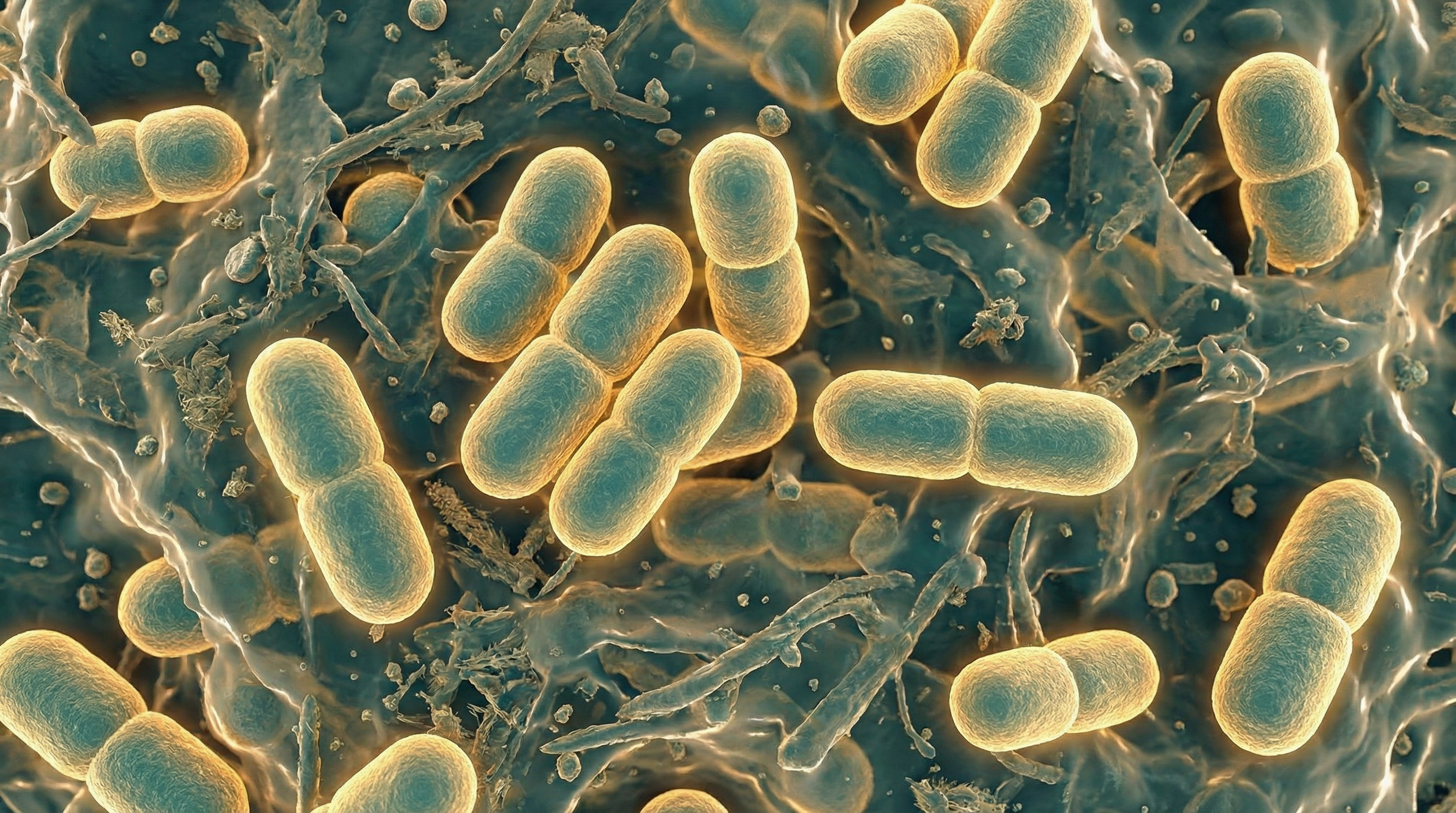
B. thetaiotaomicron is characterized by its remarkable metabolic versatility, particularly in carbohydrate utilization. The bacterium possesses an extensive repertoire of carbohydrate-active enzymes (CAZymes) encoded in its genome, with approximately 260 glycoside hydrolases, polysaccharide lyases, and carbohydrate esterases. This enzymatic arsenal allows it to break down a wide variety of complex polysaccharides that the human host cannot digest independently.
A distinctive feature of B. thetaiotaomicron is its sophisticated carbohydrate sensing and utilization systems, organized in genetic clusters called Polysaccharide Utilization Loci (PULs). The bacterium contains over 80 PULs, each specialized for the detection and degradation of specific glycan structures. These PULs encode proteins that form cell surface complexes known as Sus-like systems (named after the Starch utilization system), which enable the bacterium to bind, degrade, and import complex carbohydrates.
B. thetaiotaomicron also possesses a remarkable ability to adapt to changing nutrient conditions. It can rapidly shift its gene expression patterns to utilize available carbohydrate sources, whether they are dietary polysaccharides or host-derived mucin glycans. This nutritional flexibility allows it to maintain a stable presence in the gut despite fluctuations in dietary intake.
Role in the Human Microbiome
B. thetaiotaomicron primarily inhabits the distal small intestine and colon, where it constitutes approximately 6% of all bacteria in the human gut. Its ecological niche extends from the intestinal lumen to the mucus layer, where it can utilize host-derived mucin glycans when dietary polysaccharides are scarce.
In the gut microbiome, B. thetaiotaomicron contributes to:
Complex carbohydrate digestion: It breaks down dietary fiber and plant polysaccharides that human enzymes cannot digest, releasing simpler sugars that can be absorbed by the host or utilized by other gut bacteria.
Mucin glycan utilization: During periods of dietary fiber scarcity, B. thetaiotaomicron can shift to metabolizing host-derived mucin glycans, helping to maintain its population while potentially influencing mucus layer integrity.
Cross-feeding networks: The metabolic byproducts of B. thetaiotaomicron, including acetate and other short-chain fatty acids (SCFAs), serve as substrates for other beneficial gut bacteria, such as butyrate-producing species like Roseburia intestinalis.
Microbial community stability: As a dominant and metabolically versatile species, B. thetaiotaomicron contributes to the resilience and stability of the gut microbiome during dietary changes or other perturbations.
Immune system development: Interactions between B. thetaiotaomicron and the host immune system help shape proper immune development and homeostasis in the gut.
The ecological success of B. thetaiotaomicron in the human gut is largely attributed to its ability to occupy multiple nutritional niches and adapt to changing environmental conditions, making it a keystone species in the gut microbiome.
Health Implications
Beneficial Effects
B. thetaiotaomicron confers several health benefits to its human host:
Enhanced nutrient extraction: By breaking down otherwise indigestible dietary components, B. thetaiotaomicron increases the caloric yield from food and provides access to plant-derived nutrients that would otherwise be unavailable to the host.
Barrier function support: Through its interactions with intestinal epithelial cells, B. thetaiotaomicron can enhance the expression of genes involved in barrier function and mucin production, strengthening the intestinal barrier.
Immune system modulation: B. thetaiotaomicron helps train the immune system to distinguish between commensal bacteria and pathogens, promoting immune tolerance to beneficial gut microbes while maintaining readiness against potential pathogens.
Protection against pathogens: By competing for nutrients and ecological niches, B. thetaiotaomicron can help prevent colonization by pathogenic bacteria, a phenomenon known as colonization resistance.
SCFA production: The acetate produced by B. thetaiotaomicron can be converted to butyrate by other gut bacteria, which provides energy to colonocytes and has anti-inflammatory effects.
Glycosaminoglycan metabolism: B. thetaiotaomicron can degrade glycosaminoglycans (GAGs) like chondroitin sulfate, dermatan sulfate, and hyaluronic acid through specialized enzymes such as the recently discovered polysaccharide lyase BtCDH, contributing to GAG turnover in the gut.
Potential Negative Effects
While B. thetaiotaomicron is generally considered beneficial, its relationship with human health is complex:
Energy harvest efficiency: The enhanced energy extraction from the diet facilitated by B. thetaiotaomicron could potentially contribute to obesity in certain contexts, although this relationship is complex and influenced by many factors.
Opportunistic infections: Although rare, B. thetaiotaomicron can occasionally act as an opportunistic pathogen in immunocompromised individuals or when it escapes the gut environment.
Inflammatory potential: Under certain conditions, B. thetaiotaomicron might contribute to inflammatory responses, although it generally promotes anti-inflammatory effects in the healthy gut.
The balance of beneficial and potentially harmful effects of B. thetaiotaomicron depends on host factors, diet, and the overall composition of the gut microbiome.
Metabolic Activities
B. thetaiotaomicron possesses a diverse and adaptable metabolism centered around carbohydrate utilization:
Dietary polysaccharide degradation: It can break down a wide range of plant-derived complex carbohydrates, including cellulose, hemicellulose, pectin, starch, and inulin, through its extensive array of glycoside hydrolases and polysaccharide lyases.
Host glycan utilization: When dietary polysaccharides are limited, B. thetaiotaomicron can switch to metabolizing host-derived mucin glycans, demonstrating remarkable metabolic flexibility.
Glycosaminoglycan degradation: Through specialized enzymes like the polysaccharide lyase BtCDH, it can degrade glycosaminoglycans such as chondroitin sulfate, dermatan sulfate, and hyaluronic acid.
Hierarchical substrate utilization: B. thetaiotaomicron employs a sophisticated prioritization system for carbohydrate utilization, preferentially consuming simpler sugars before complex polysaccharides.
Fermentation: It ferments carbohydrates primarily to acetate, succinate, and propionate, which can be utilized by the host or by other gut bacteria.
Nutrient sensing and regulation: B. thetaiotaomicron possesses elaborate regulatory systems, including hybrid two-component systems (HTCSs) and extracytoplasmic function sigma factors (ECF-σ), that allow it to sense available carbohydrates and adjust its gene expression accordingly.
Adaptation to starvation: During nutrient scarcity, B. thetaiotaomicron can survive by foraging on mucin sugars and adapting its metabolism to low-resource conditions.
These metabolic capabilities not only ensure the survival and persistence of B. thetaiotaomicron in the gut but also influence the overall metabolic output of the gut microbiome and its impact on host health.
Clinical Relevance
B. thetaiotaomicron has several implications for clinical medicine and therapeutic development:
Prebiotic development: Understanding how B. thetaiotaomicron metabolizes different carbohydrates has informed the development of prebiotics designed to selectively promote beneficial gut bacteria.
Probiotic potential: While not commonly used as a probiotic itself, B. thetaiotaomicron's beneficial properties have inspired research into its potential therapeutic applications, particularly for enhancing barrier function and modulating immunity.
Biomarker for gut health: Changes in B. thetaiotaomicron abundance or activity may serve as biomarkers for certain gastrointestinal conditions or responses to dietary interventions.
Enzyme discovery: The study of B. thetaiotaomicron has led to the discovery of novel carbohydrate-active enzymes with potential biotechnological applications, such as the recently identified polysaccharide lyase family PL29.
Inflammatory bowel disease (IBD): Some research suggests that B. thetaiotaomicron may have protective effects against inflammatory bowel diseases through its anti-inflammatory properties and barrier function enhancement.
Metabolic health: B. thetaiotaomicron's role in carbohydrate metabolism and energy harvest makes it relevant to research on obesity, diabetes, and metabolic syndrome, although its precise contribution to these conditions remains complex.
Drug metabolism: B. thetaiotaomicron can metabolize certain drugs, potentially affecting their bioavailability and efficacy, which has implications for personalized medicine approaches.
The clinical applications of B. thetaiotaomicron research continue to expand as we gain a deeper understanding of its interactions with the host and other microbiome members.
Interaction with Other Microorganisms
B. thetaiotaomicron engages in complex interactions with other members of the gut microbiota:
Cross-feeding relationships: B. thetaiotaomicron produces acetate and other metabolites that serve as substrates for butyrate-producing bacteria like Roseburia intestinalis and Faecalibacterium prausnitzii, creating important trophic networks in the gut.
Competition for resources: It competes with other glycan-utilizing bacteria for dietary and host-derived carbohydrates, which can influence community composition and stability.
Niche partitioning: B. thetaiotaomicron can coexist with other Bacteroides species through specialization in different carbohydrate substrates, allowing for resource partitioning within the same general ecological niche.
Spatial organization: Its ability to attach to mucin beads and colonize the mucus layer influences the spatial distribution of the gut microbiota and creates microhabitats for other species.
pH modulation: The acids produced by B. thetaiotaomicron during fermentation can lower the local pH, affecting the growth and metabolism of pH-sensitive bacteria in its vicinity.
Interspecies signaling: B. thetaiotaomicron can influence gene expression in other bacteria through the production of signaling molecules or by modifying the gut environment.
Cooperative degradation: Some complex polysaccharides require the combined enzymatic activities of multiple bacterial species, including B. thetaiotaomicron, for complete degradation.
These interactions highlight the ecological importance of B. thetaiotaomicron in shaping the structure and function of the gut microbiome, with downstream effects on host health.
Research Significance
As one of the most extensively studied human gut commensals, B. thetaiotaomicron has contributed significantly to our understanding of host-microbe interactions:
Model organism: It serves as a model organism for studying how gut bacteria sense and respond to environmental cues, adapt to changing nutrient conditions, and interact with the host.
Carbohydrate metabolism: Research on B. thetaiotaomicron has revealed fundamental principles of microbial carbohydrate utilization and the role of PULs in substrate specificity.
Host-microbe dialogue: Studies of B. thetaiotaomicron have illuminated how gut bacteria communicate with host cells and influence host gene expression and physiology.
Microbiome ecology: B. thetaiotaomicron research has provided insights into the ecological principles governing microbial community assembly, stability, and resilience in the gut.
Evolutionary adaptation: The sophisticated carbohydrate utilization systems of B. thetaiotaomicron showcase the evolutionary adaptations of gut bacteria to the human intestinal environment.
Technological advances: The study of B. thetaiotaomicron has driven the development of new tools and approaches for investigating the gut microbiome, including genetic manipulation systems for Bacteroides species.
Therapeutic targets: Understanding B. thetaiotaomicron's interactions with the host has identified potential targets for microbiome-based therapies aimed at improving gut health and treating various conditions.
The continued study of B. thetaiotaomicron promises to yield further insights into the complex relationships between diet, the gut microbiome, and human health, with implications for personalized nutrition and microbiome-targeted therapeutics.
In conclusion, Bacteroides thetaiotaomicron represents a fascinating example of the mutualistic relationship between humans and their gut microbiota. Its remarkable metabolic versatility, particularly in carbohydrate utilization, makes it a key player in nutrient extraction from the diet and in maintaining gut homeostasis. As research continues to unravel the complex interactions between B. thetaiotaomicron, other gut microbes, and the human host, we gain valuable insights into how we might leverage this knowledge to promote health and treat disease through microbiome-based approaches.