

XOS (Xylooligosaccharides) Guide
Xylooligosaccharides (XOS) are emerging prebiotics from plant xylan that promote Bifidobacterium growth at low doses. Learn about XOS benefits and dosage.
Food Sources
Naturally found in these foods:
Key Benefits
- Strong bifidogenic effect at low doses
- Excellent gastrointestinal tolerance
- May improve calcium absorption
- Supports immune function
- Reduces blood glucose spikes
Bacteria This Prebiotic Feeds
This prebiotic selectively nourishes these beneficial microorganisms:
Overview
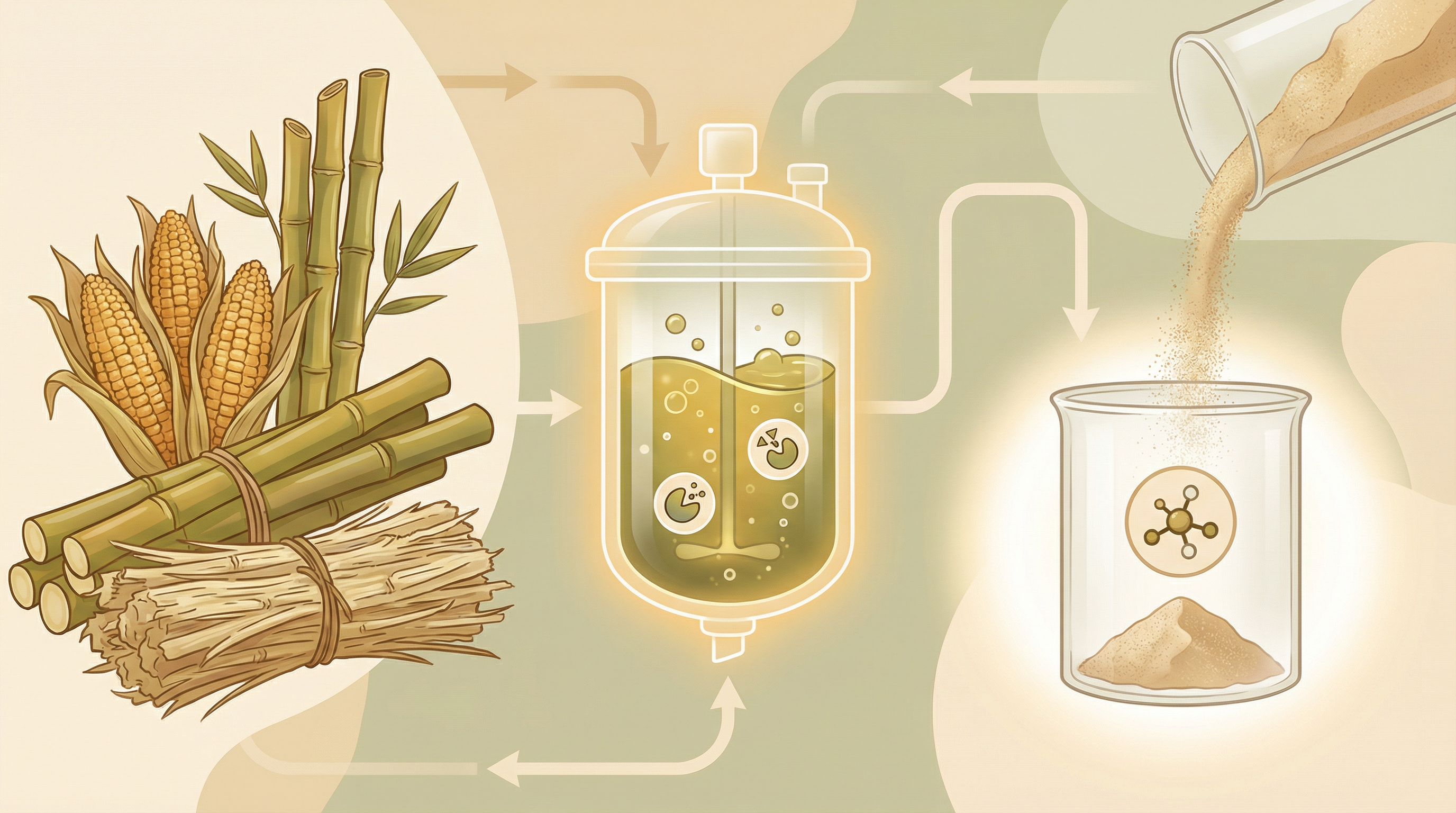
Xylooligosaccharides (XOS) are emerging prebiotics composed of xylose units linked by β-1,4 glycosidic bonds[4]. Derived from the enzymatic or chemical hydrolysis of xylan—a major component of plant cell walls—XOS are produced commercially from agricultural byproducts such as corn cobs, bamboo, and sugar cane bagasse. What distinguishes XOS from other prebiotics is their exceptional potency at low doses and excellent gastrointestinal tolerability, making them particularly suitable for individuals sensitive to other prebiotic fibers.
Structure and Production
Chemical Structure
- Composition: Short chains of 2-10 xylose units
- Linkage: β-1,4 glycosidic bonds
- Degree of polymerization: Typically 2-7 (xylobiose to xyloheptaose)
- Purity: Commercial products vary from 70-95% XOS
Production Methods
XOS are produced through several processes[4]:
- Enzymatic hydrolysis: Using xylanases (most common)
- Chemical hydrolysis: Using dilute acids or alkalis
- Autohydrolysis: Steam or hot water treatment
- Combination methods: Sequential enzymatic and chemical treatment
Raw Material Sources
Agricultural byproducts rich in xylan serve as starting materials:
- Corn cobs (highest xylan content)
- Bamboo shoots and poles
- Sugar cane bagasse
- Wheat and rice bran
- Hardwood sawdust
Mechanism of Action
Selective Fermentation
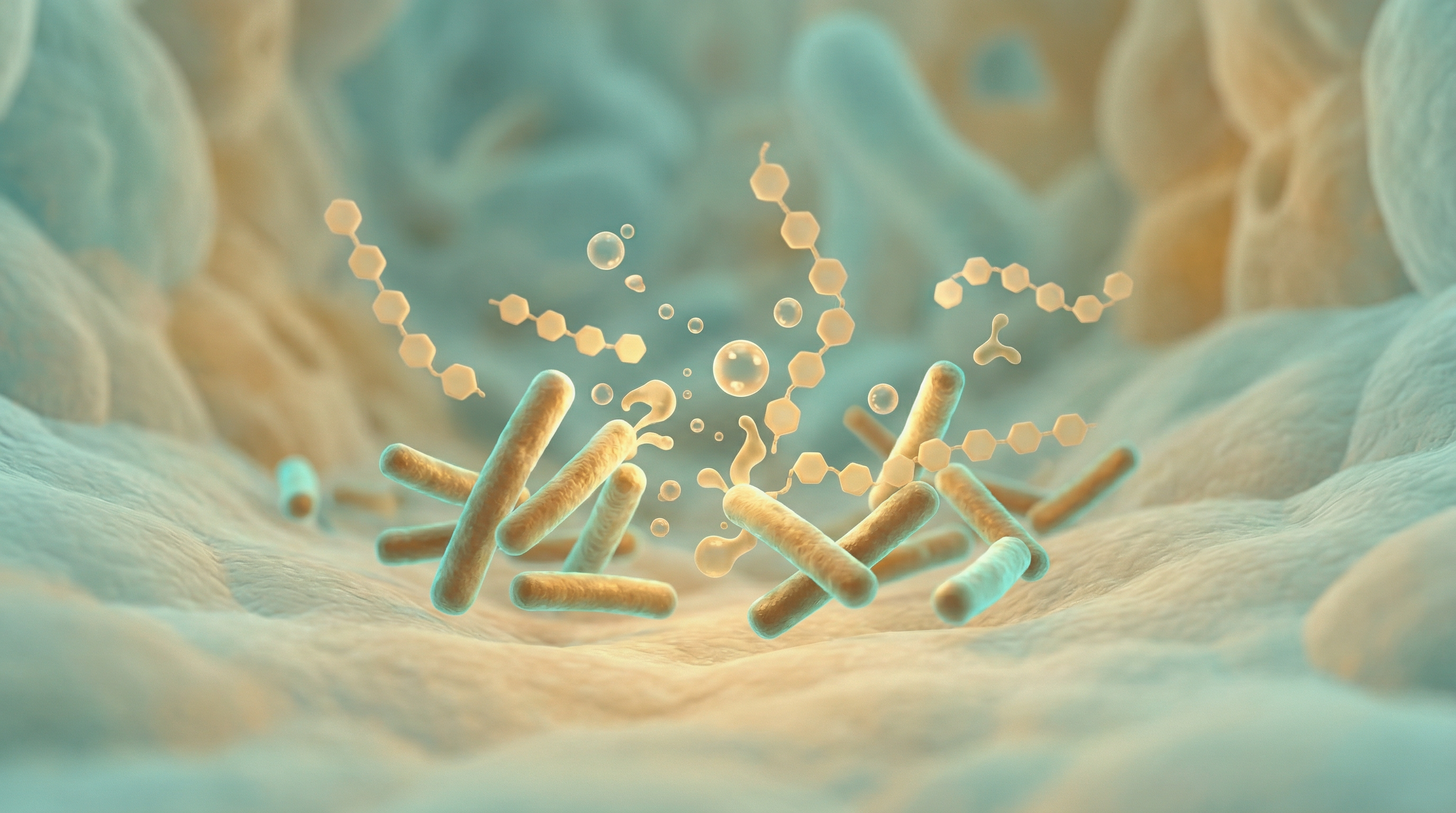
XOS are highly selective prebiotics[1]:
- Resistance to digestion: β-1,4-xylosidic bonds resist human digestive enzymes
- Selective utilization: Bifidobacteria possess xylanolytic enzymes for XOS metabolism
- Competitive advantage: Beneficial bacteria gain nutritional edge over pathogens
- SCFA production: Fermentation yields acetate and lactate predominantly
In vitro comparative studies demonstrated XOS's superior fermentation selectivity compared to other oligosaccharides, with strong preferential utilization by Bifidobacterium species.
Low-Dose Efficacy
A distinguishing feature of XOS is their effectiveness at low doses:
- Prebiotic effects observed at 1-2g daily
- Comparable bifidogenic effects to 5-10g of other prebiotics
- Allows for flexible formulation in foods and supplements
- Reduces risk of GI side effects
Effects on Gut Microbiome
Human Clinical Evidence
Multiple human studies demonstrate XOS's prebiotic effects:
Finegold et al. (2014) found that XOS significantly increases Bifidobacterium[2]:
- Daily doses of 1.4g and 2.8g for 8 weeks
- Significant increases in Bifidobacterium at both doses
- Higher dose (2.8g) produced stronger effect
- No significant changes in Lactobacillus
Yang et al. (2015) studied XOS in both healthy and prediabetic adults[6]:
- 2g XOS daily for 8 weeks
- Increased Bifidobacterium in both groups
- Additional beneficial shifts in gut microbiota
- Potential metabolic benefits in prediabetic subjects
Lin et al. (2016) demonstrated microbiota improvements[5]:
- Significant increases in Bifidobacterium populations
- Improved overall microbiota balance
- Enhanced fecal SCFA concentrations
- Good tolerability at therapeutic doses
Microbiome Changes Summary
| Bacteria | Effect | Dose Range |
|---|---|---|
| Bifidobacterium | Significant increase | 1-4g daily |
| Lactobacillus | Variable/minimal | - |
| Bacteroides | Stable or slight decrease | - |
| Clostridium | Stable or decrease | - |

Clinical Benefits
Immune Function
XOS combined with inulin has demonstrated immunomodulatory effects[3]:
- Modulation of immune parameters
- Enhanced NK cell activity
- Improved immune responses
- Synergistic effects with other prebiotics
Metabolic Health
Pilot studies suggest XOS may benefit metabolic health[6]:
- Potential improvements in glucose metabolism
- Favorable effects in prediabetic individuals
- May support healthy lipid profiles
- Further research needed for confirmation
Calcium Absorption
Research indicates XOS may enhance mineral absorption:
- Increased calcium absorption in animal studies
- Potential benefits for bone health
- Mechanism linked to SCFA production and pH reduction
- Human studies ongoing
Gastrointestinal Health
XOS support overall gut health through:
- Prebiotic stimulation of beneficial bacteria
- SCFA production for colonocyte nutrition
- Potential relief of constipation
- Improved stool characteristics
Dosage and Usage
Effective Dosages
Based on clinical evidence[2]:
| Effect | Minimum Dose | Optimal Range |
|---|---|---|
| Bifidogenic | 1g daily | 2-4g daily |
| Immune support | 2g daily | 2-5g daily |
| General prebiotic | 1g daily | 1-3g daily |
Practical Recommendations
- Starting dose: 1g daily
- Maintenance: 2-4g daily
- Maximum studied: 8g daily (well-tolerated)
- Duration: Minimum 4 weeks for full effects
Administration
- Can be taken with or without food
- Easily dissolved in beverages
- Stable in most food applications
- Compatible with other prebiotics
Tolerability Profile
Superior Tolerance
XOS demonstrate excellent gastrointestinal tolerance[4]:
- Minimal bloating at effective doses
- Low gas production compared to other prebiotics
- Suitable for FODMAP-sensitive individuals
- Well-tolerated even by those with IBS
Comparison with Other Prebiotics
| Side Effect | XOS | FOS | Inulin | GOS |
|---|---|---|---|---|
| Bloating | Minimal | Moderate | Moderate | Moderate |
| Flatulence | Low | Higher | Higher | Higher |
| GI discomfort | Rare | Occasional | Occasional | Occasional |
| Threshold dose | 8g+ | 10-15g | 10-20g | 10-15g |
XOS vs. Other Prebiotics
Advantages of XOS
- Low effective dose: 1-4g vs. 5-15g for others
- Superior tolerance: Less GI distress
- High selectivity: Strong preference for Bifidobacterium
- Sustainable production: Utilizes agricultural waste
- Stability: Heat and pH stable
Considerations
- Cost: Generally more expensive than FOS or inulin
- Availability: Less widely available than traditional prebiotics
- Research base: Fewer studies than established prebiotics
- Lactobacillus effects: Minimal impact on lactobacilli
Applications
Food Industry
XOS are used in various food applications[4]:
- Dairy products
- Beverages
- Baked goods
- Confectionery
- Functional foods
Supplements
- Standalone XOS supplements
- Combined with other prebiotics
- Synbiotic formulations (with probiotics)
- Fiber blend products
Safety
XOS have demonstrated excellent safety:
- No adverse effects in clinical trials
- GRAS status in United States
- Approved for food use in Japan, China, and other countries
- Safe for all age groups
- No known drug interactions
Summary
Xylooligosaccharides represent a next-generation prebiotic with exceptional characteristics for practical application. Their potent bifidogenic effects at doses as low as 1-2g daily, combined with superior gastrointestinal tolerability, make them ideal for individuals who cannot tolerate higher doses of traditional prebiotics. Produced sustainably from agricultural byproducts, XOS offer an environmentally friendly option for supporting gut microbiome health. While the research base continues to expand, current evidence strongly supports XOS as effective, well-tolerated prebiotics with specific benefits for Bifidobacterium enrichment and overall gut health.
Dosage Guidelines
Recommended Dosage
1-4g daily
Start with a lower dose and gradually increase to minimize digestive discomfort. Consult a healthcare provider for personalized recommendations.
Frequently Asked Questions
What is XOS (Xylooligosaccharides) Guide?
Xylooligosaccharides (XOS) are emerging prebiotics from plant xylan that promote Bifidobacterium growth at low doses. Learn about XOS benefits and dosage.
What foods contain XOS (Xylooligosaccharides) Guide?
XOS (Xylooligosaccharides) Guide can be found in: Corn cobs, Bamboo shoots, Sugar cane bagasse, Wheat bran, Agricultural waste products.
What are the health benefits of XOS (Xylooligosaccharides) Guide?
Key benefits include: Strong bifidogenic effect at low doses, Excellent gastrointestinal tolerance, May improve calcium absorption, Supports immune function, Reduces blood glucose spikes.
References
- Rycroft CE, Jones MR, Gibson GR, Rastall RA. A comparative in vitro evaluation of the fermentation properties of prebiotic oligosaccharides. Journal of Applied Microbiology. 2001;91(5):878-887. doi:10.1046/j.1365-2672.2001.01446.x
- Finegold SM, Li Z, Summanen PH, et al.. Xylooligosaccharide increases bifidobacteria but not lactobacilli in human gut microbiota. Food & Function. 2014;5(3):436-445. doi:10.1039/c3fo60348b
- Lecerf JM, Dépeint F, Rochat F, et al.. Xylo-oligosaccharide (XOS) in combination with inulin modulates both the intestinal environment and immune status in healthy subjects, while XOS alone only shows prebiotic properties. British Journal of Nutrition. 2012;108(10):1847-1858. doi:10.1017/S0007114511007252
- Aachary AA, Prapulla SG. Xylooligosaccharides (XOS) as an Emerging Prebiotic: Microbial Synthesis, Utilization, Structural Characterization, Bioactive Properties, and Applications. Comprehensive Reviews in Food Science and Food Safety. 2011;10(1):2-16. doi:10.1111/j.1541-4337.2010.00135.x
- Lin SH, Chou LM, Chien YW, et al.. Prebiotic effects of xylooligosaccharides on the improvement of microbiota balance in human subjects. Gastroenterology Research and Practice. 2016;2016:5789232. doi:10.1155/2016/5789232
- Yang J, Summanen PH, Henning SM, et al.. Xylooligosaccharide supplementation alters gut bacteria in both healthy and prediabetic adults: a pilot study. Frontiers in Physiology. 2015;6:216. doi:10.3389/fphys.2015.00216