

Inulin: Benefits, Dosage & Sources
Inulin is a prebiotic fiber from chicory root that feeds beneficial gut bacteria. Learn about inulin powder dosage, food sources, and clinical evidence.
Food Sources
Naturally found in these foods:
Key Benefits
- Increases Bifidobacteria populations
- Improves calcium absorption
- Supports regular bowel movements
- May help with weight management
- Promotes butyrate production
Bacteria This Prebiotic Feeds
This prebiotic selectively nourishes these beneficial microorganisms:
Overview
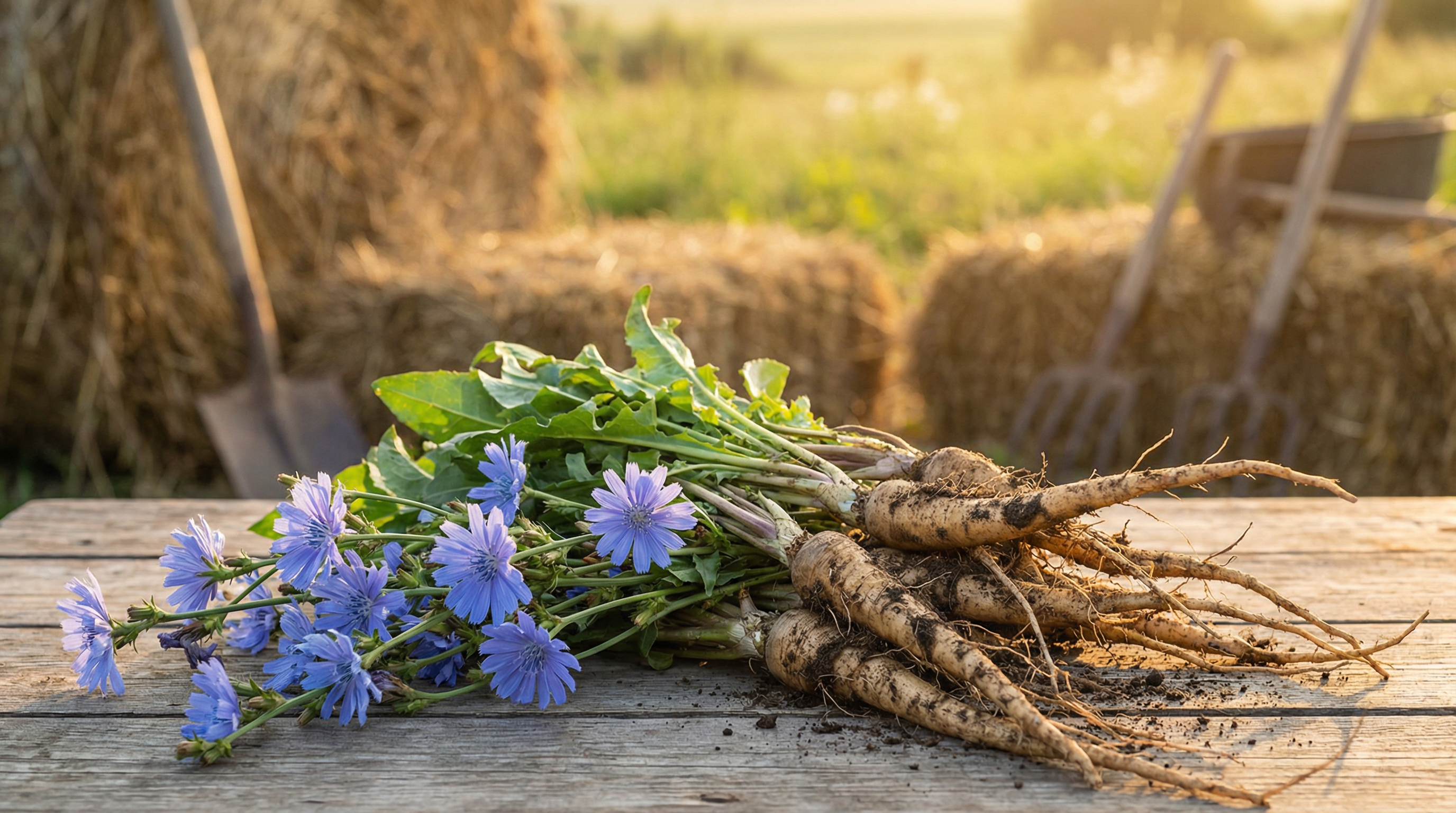
Inulin is a type of soluble fiber and fructan that belongs to a class of carbohydrates known as fructooligosaccharides[3]. Found naturally in many plants, chicory root is the most commercially significant source, containing up to 15-20% inulin by weight. As a prebiotic fiber, inulin passes through the upper gastrointestinal tract undigested, reaching the colon where it serves as a selective substrate for beneficial bacteria.
Mechanism of Action
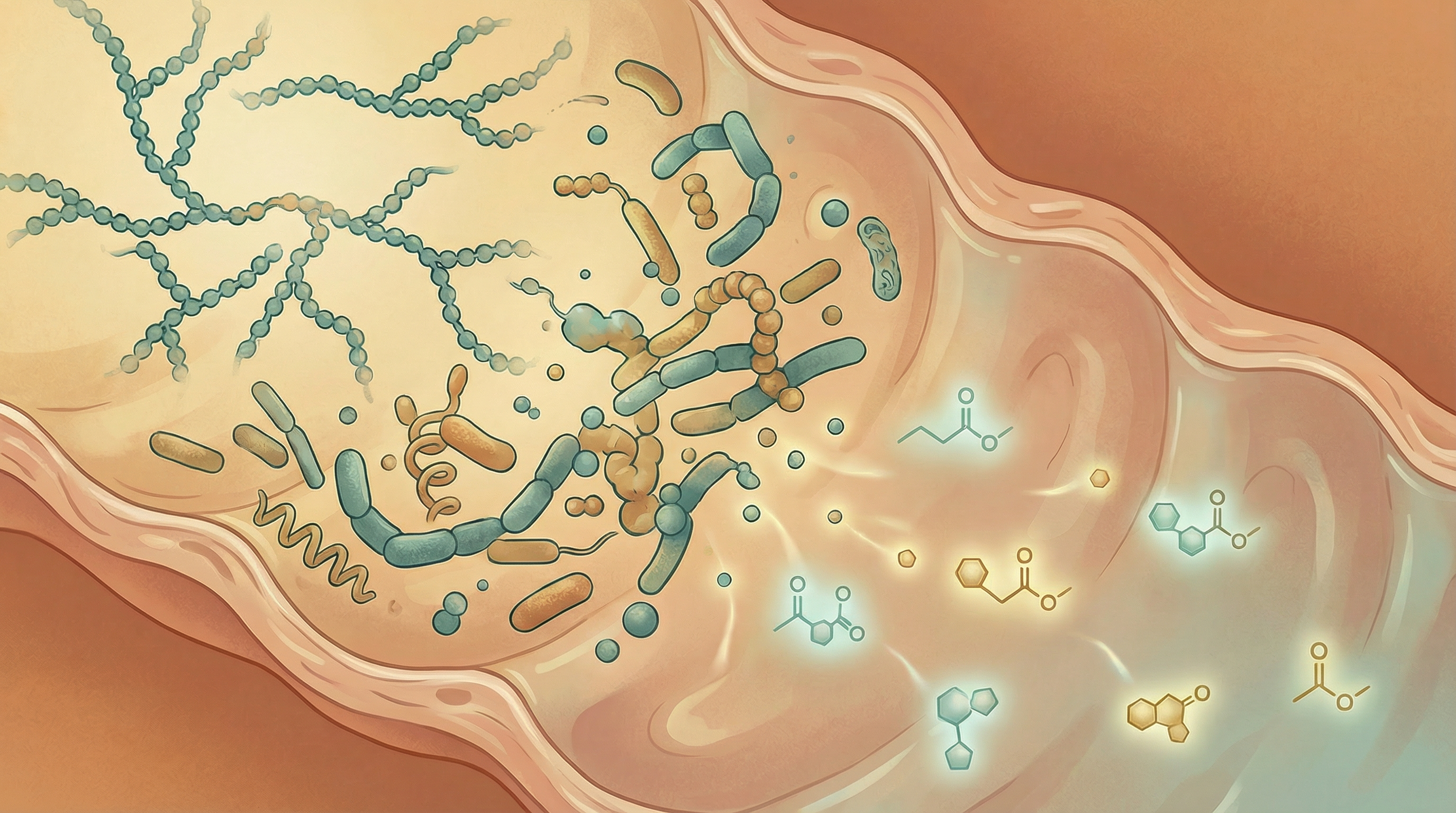
When inulin reaches the large intestine, it undergoes fermentation by beneficial gut bacteria, particularly Bifidobacterium species[6]. The bifidogenic nature of chicory inulin has been well-documented through decades of research, demonstrating its ability to selectively stimulate the growth of health-promoting bacteria while maintaining potentially pathogenic species at low levels.
This fermentation process produces several beneficial compounds, including:
- Short-chain fatty acids (SCFAs): Primarily acetate, propionate, and butyrate, which serve as energy sources for colonocytes and have systemic metabolic effects
- Lactate: An intermediate metabolite that can be further converted to butyrate by cross-feeding bacteria like Anaerostipes species
- Gases: Including hydrogen and carbon dioxide, which are normal byproducts of fermentation
A landmark 2025 randomized controlled trial demonstrated that 12g daily inulin supplementation in adults with functional constipation led to significant improvements in stool frequency, quality of life, and gut microbiota composition[1]. The study found that inulin increased relative abundances of butyrate-producing genera including Anaerostipes and Coprococcus.
Effects on Gut Microbiome
Systematic reviews have consistently demonstrated inulin's bifidogenic effects across human populations[5]. Research shows that inulin supplementation leads to:
Primary Effects
- Increased Bifidobacterium: The most consistently observed effect, with increases of 0.5-1.0 log CFU/g in fecal samples
- Enhanced Lactobacillus: Variable but generally positive effects on lactobacilli populations
- Butyrate producer stimulation: Secondary effects on Faecalibacterium, Roseburia, and Anaerostipes through cross-feeding mechanisms
Secondary Effects
A 2017 study using prebiotic inulin-type fructans found specific changes in the human gut microbiota composition, with the magnitude of response varying based on baseline microbiota composition[2]. Notably, individuals with lower baseline Bifidobacterium levels showed more pronounced responses to supplementation, suggesting personalized responses based on individual microbiome profiles.
Clinical Evidence
Bowel Function
The European Food Safety Authority (EFSA) has approved a health claim for native chicory inulin, stating that consumption of 12g daily contributes to maintenance of normal defecation by increasing stool frequency[4]. This is one of the few prebiotic health claims approved by EFSA based on robust clinical evidence.
Recent clinical trials have expanded on these findings, demonstrating that inulin not only improves objective measures like stool frequency but also significantly enhances constipation-related quality of life, including psychosocial discomfort and emotional well-being[1].
Metabolic Health
Inulin's effects extend beyond gut health to metabolic outcomes:
- Improved calcium absorption and bone health
- Potential benefits for glycemic control
- Satiety enhancement through gut hormone modulation
Dosage and Usage
The effective dosage range for inulin is 5-15g daily, with most clinical benefits observed at 12g or higher[4]. For optimal tolerance:
- Start low: Begin with 2-3g daily
- Increase gradually: Add 2-3g per week until reaching target dose
- Divide doses: Split intake across meals to minimize gastrointestinal symptoms
- Stay consistent: Regular daily intake provides the most reliable prebiotic effects
Safety and Tolerability
Clinical trials have consistently found inulin to be safe and well-tolerated at recommended doses. Common side effects at higher intakes may include:
- Mild flatulence
- Bloating
- Abdominal discomfort
These effects typically diminish with continued use as the gut microbiota adapts[1]. Starting with lower doses and gradually increasing intake helps minimize initial gastrointestinal symptoms.
Food Sources vs. Supplements
Inulin can be obtained through both dietary sources and supplements:
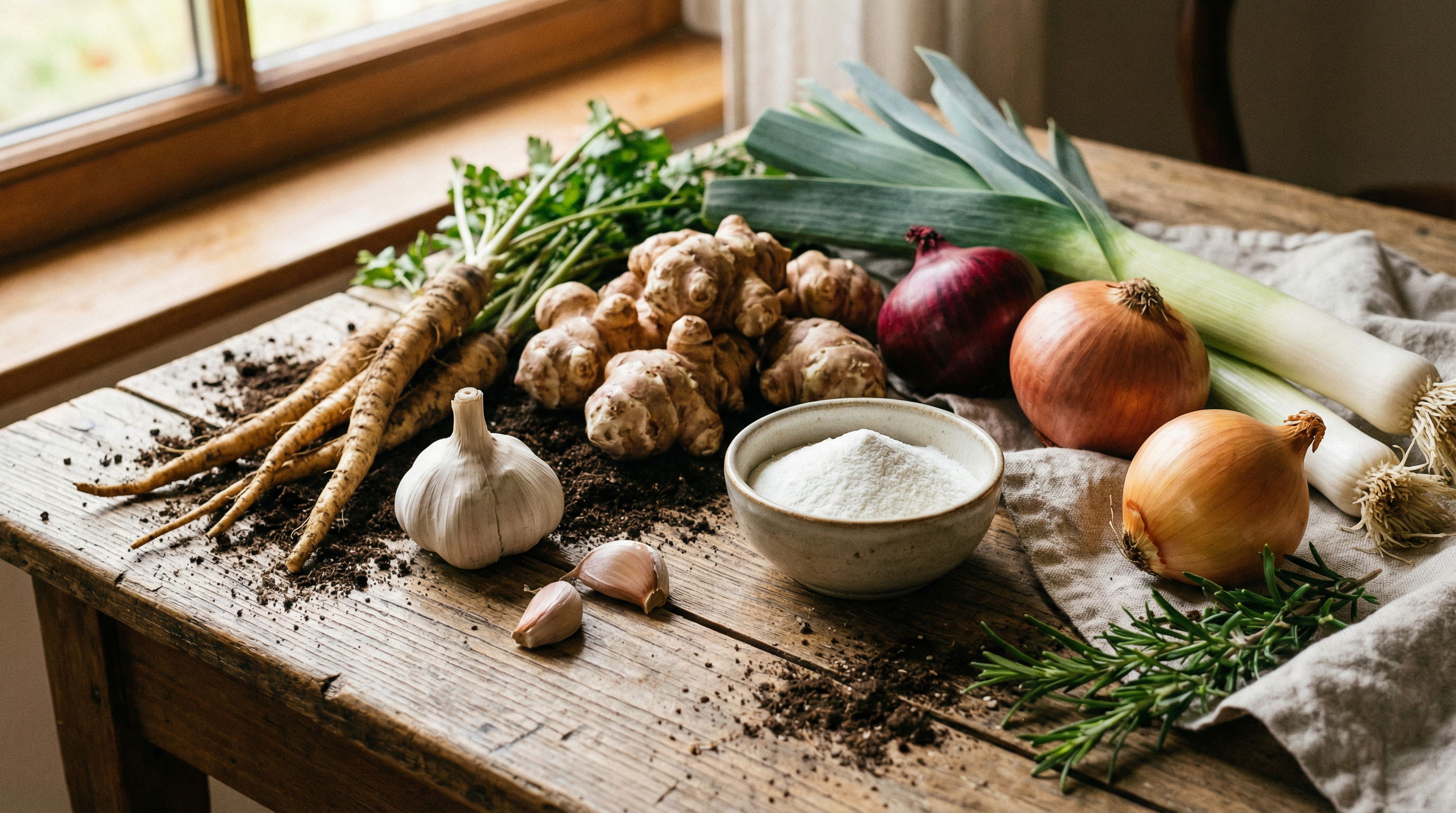
Natural Food Sources
- Chicory root (highest concentration)
- Jerusalem artichoke
- Onions and garlic
- Leeks and asparagus
- Bananas
Commercial Supplements
Various inulin supplements are available, with chicory-derived inulin being the most common. The chain length (degree of polymerization) can vary, affecting fermentation characteristics and prebiotic effects.
Summary
Inulin represents one of the most well-researched and clinically validated prebiotics available. Its ability to selectively promote beneficial bacteria, particularly Bifidobacterium species, combined with its downstream effects on short-chain fatty acid production and gut barrier function, makes it a valuable dietary component for supporting overall gut health and digestive function.
Inulin Powder: Forms, Sources, and Usage
Inulin powder has become one of the most popular prebiotic supplements, available in several forms with varying characteristics.
Types of Inulin Powder
- Native chicory inulin: Extracted directly from chicory root; contains a mix of chain lengths (DP 2-60); this is the form with the EFSA-approved health claim for normal defecation at 12g/day[4]
- Long-chain inulin (HP inulin): Higher degree of polymerization (DP 10-60); ferments more slowly and reaches the distal colon; may produce more sustained prebiotic effects
- Short-chain inulin (oligofructose/FOS): DP 2-10; ferments rapidly in the proximal colon; often combined with long-chain inulin for full-colon coverage
- Synergy1: A proprietary 50:50 blend of long-chain and short-chain chicory inulin; designed to provide both rapid and sustained fermentation
How to Use Inulin Powder
Inulin powder is versatile and easy to incorporate into daily routines:
- Dissolves easily: Mixes into water, smoothies, coffee, or tea with minimal change in taste
- Cooking/baking: Can be added to baked goods, oatmeal, or yogurt; heat-stable for most cooking applications
- Mild sweetness: Provides approximately 10% of the sweetness of sucrose, making it a useful low-calorie ingredient
- Start low: Begin with 2-3g daily and increase by 2-3g per week to minimize gastrointestinal adjustment symptoms
Chicory Inulin: The Gold Standard Source
Chicory root (Cichorium intybus) is the primary commercial source of inulin, and chicory inulin has the strongest evidence base among all inulin sources.
Why Chicory Inulin Is Preferred
- Highest concentration: Chicory root contains 15-20% inulin by fresh weight—significantly more than any other food source
- EFSA-approved: Chicory inulin is the specific form that received the European Food Safety Authority health claim for maintaining normal defecation
- Standardized extraction: Commercial chicory inulin production allows for consistent chain length profiles and purity
- Decades of research: The bifidogenic nature of chicory inulin was first established in landmark studies in 1995[6] and has been confirmed in numerous systematic reviews since
Chicory Inulin vs. Other Sources
While inulin occurs naturally in many plants, chicory inulin offers advantages:
| Source | Inulin Content | Chain Length | Commercial Availability |
|---|---|---|---|
| Chicory root | 15-20% fresh weight | Mixed (DP 2-60) | Very high (primary commercial source) |
| Jerusalem artichoke | 14-19% fresh weight | Shorter chains | Moderate |
| Garlic | 9-16% dry weight | Shorter chains | Low (food source only) |
| Onion | 2-6% fresh weight | Shorter chains | Low (food source only) |
| Banana | 0.3-0.7% fresh weight | Variable | Low (food source only) |
For those seeking to combine inulin with other prebiotics, FOS (which is essentially short-chain inulin) and GOS make excellent complementary options, each with distinct fermentation profiles and bacterial targets.
Dosage Guidelines
Recommended Dosage
5-15g daily
Start with a lower dose and gradually increase to minimize digestive discomfort. Consult a healthcare provider for personalized recommendations.
Frequently Asked Questions
What is Inulin: Benefits, Dosage & Sources?
Inulin is a prebiotic fiber from chicory root that feeds beneficial gut bacteria. Learn about inulin powder dosage, food sources, and clinical evidence.
What foods contain Inulin: Benefits, Dosage & Sources?
Inulin: Benefits, Dosage & Sources can be found in: Chicory root, Jerusalem artichoke, Onions, Garlic, Leeks, Asparagus, Bananas.
What are the health benefits of Inulin: Benefits, Dosage & Sources?
Key benefits include: Increases Bifidobacteria populations, Improves calcium absorption, Supports regular bowel movements, May help with weight management, Promotes butyrate production.
References
- Puhlmann ML, Wegh CAM, van der Zalm SCC, et al.. Inulin-induced improvements on bowel habit and gut microbiota in adults with functional constipation. BMC Gastroenterology. 2025;25:806. doi:10.1186/s12876-025-04409-6
- Vandeputte D, Falony G, Vieira-Silva S, et al.. Prebiotic inulin-type fructans induce specific changes in the human gut microbiota. Gut. 2017;66(11):1968-1974. doi:10.1136/gutjnl-2016-313271
- Gibson GR, Hutkins R, Sanders ME, et al.. Expert consensus document: The International Scientific Association for Probiotics and Prebiotics (ISAPP) consensus statement on the definition and scope of prebiotics. Nature Reviews Gastroenterology & Hepatology. 2017;14(8):491-502. doi:10.1038/nrgastro.2017.75
- EFSA Panel on Dietetic Products, Nutrition and Allergies. Scientific Opinion on the substantiation of a health claim related to native chicory inulin and maintenance of normal defecation. EFSA Journal. 2015;13(1):3951. doi:10.2903/j.efsa.2015.3951
- Le Bastard Q, Chapelet G, Javaudin F, et al.. The effects of inulin on gut microbial composition: a systematic review of evidence from human studies. European Journal of Clinical Microbiology & Infectious Diseases. 2020;39:403-413. doi:10.1007/s10096-019-03721-w
- Roberfroid MB, Van Loo JAE, Gibson GR. The bifidogenic nature of chicory inulin and its hydrolysis products. The Journal of Nutrition. 1998;128(1):11-19. doi:10.1093/jn/128.1.11