

Irritable Bowel Syndrome (IBS)
Learn how the microbiome influences Irritable Bowel Syndrome (IBS) and discover evidence-based approaches for managing symptoms through gut health.
Common Symptoms
Condition Subtypes
IBS-D (Diarrhea predominant)
Frequent loose stools and urgency
IBS-C (Constipation predominant)
Infrequent, hard stools and straining
IBS-M (Mixed type)
Alternating periods of diarrhea and constipation
IBS-U (Unclassified)
Symptoms that don't fit other categories
Microbiome Imbalances
Research has identified the following microbiome patterns commonly associated with this condition:
- Reduced microbial diversity
- Lower levels of Bifidobacteria
- Increased Firmicutes to Bacteroidetes ratio
What is Irritable Bowel Syndrome?
Irritable Bowel Syndrome (IBS) is a chronic functional gastrointestinal disorder characterized by recurrent abdominal pain, bloating, and altered bowel habits. Unlike inflammatory bowel diseases, IBS doesn't cause visible damage to the digestive tract, yet it significantly impacts quality of life for millions worldwide.[1]
IBS is typically classified into four subtypes based on predominant bowel patterns:
- IBS-D (Diarrhea predominant): Frequent loose stools and urgency
- IBS-C (Constipation predominant): Infrequent, hard stools and straining
- IBS-M (Mixed type): Alternating periods of diarrhea and constipation
- IBS-U (Unclassified): Symptoms that don't fit other categories
Key Takeaways
- IBS is strongly associated with alterations in gut microbiome composition and function
- Different IBS subtypes show distinct microbial signatures that may require targeted approaches
- Microbiome-based interventions including probiotics, dietary modifications, and prebiotics show promise for symptom management
- The gut-brain axis plays a crucial role in IBS, highlighting the importance of addressing both psychological and gut factors
- Emerging research is paving the way for more personalized, microbiome-focused treatment approaches
The Microbiome-IBS Connection
Research has demonstrated that individuals with IBS often have an imbalance in their gut microbiota composition, known as dysbiosis, compared to healthy individuals.[2] The gut microbiota modulates IBS symptoms via the epithelial barrier, mucosal immunity, microbial metabolites (including short-chain fatty acids and bile acids), and gut-brain signaling pathways.[3] These microbiome alterations play a significant role in IBS pathophysiology through several mechanisms:
Altered Microbial Diversity
IBS patients typically show reduced microbial diversity and altered abundance of specific bacterial groups, including decreased Bifidobacteria and Lactobacilli.[4]
Visceral Hypersensitivity
Certain gut bacteria influence pain perception by affecting nerve signaling, contributing to the heightened pain sensitivity common in IBS.[5]
Intestinal Permeability
Microbiome imbalances can compromise the gut barrier function, potentially allowing bacterial components to trigger immune responses and inflammation.
Altered Fermentation
Changes in gut bacteria affect how dietary components are fermented, potentially increasing gas production and contributing to bloating and distension.
Recent studies have identified specific microbial signatures associated with different IBS subtypes.[4] For example, IBS-D patients often show increased levels of Prevotella species and decreased Faecalibacterium prausnitzii, while IBS-C patients may have higher levels of methane-producing archaea like Methanobrevibacter smithii.
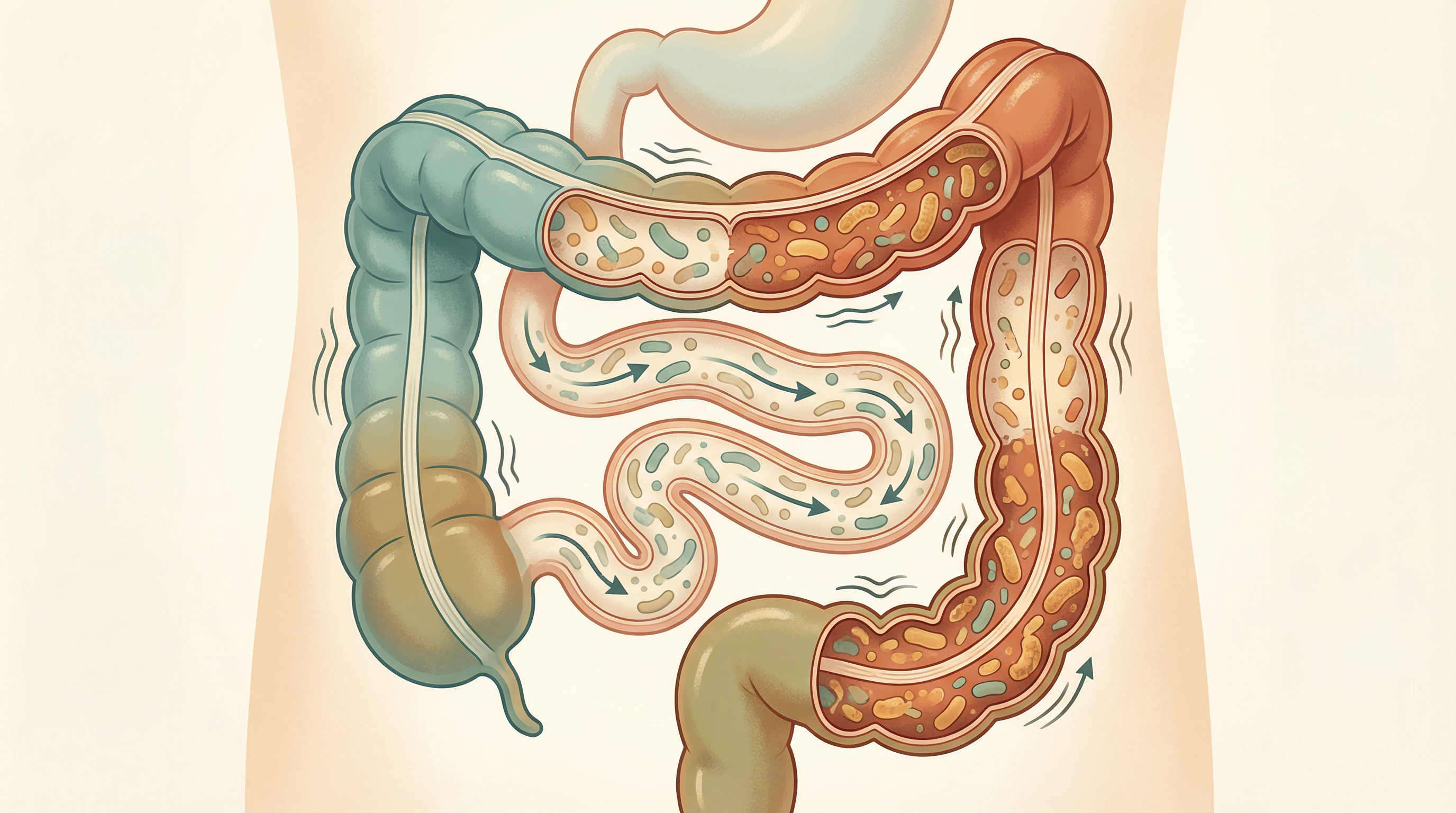
Key Microorganisms in IBS
Several microorganisms have been implicated in IBS development and symptom manifestation:
Bifidobacterium
- Impact: Often depleted in IBS patients
- Function: Produces short-chain fatty acids that maintain gut barrier integrity and reduce inflammation
Lactobacillus
- Impact: Typically reduced in IBS
- Function: Helps maintain gut barrier function and modulates immune responses
Faecalibacterium prausnitzii
- Impact: Often decreased in IBS-D
- Function: Major butyrate producer with anti-inflammatory properties
Methanobrevibacter smithii
- Impact: Often increased in IBS-C
- Function: Produces methane gas that slows intestinal transit, potentially contributing to constipation
Microbiome-Based Approaches for IBS Management
Emerging research supports several microbiome-focused strategies for managing IBS symptoms:[1]
Dietary Modifications
Low FODMAP diet, which restricts fermentable carbohydrates, has shown efficacy in reducing IBS symptoms by altering microbial fermentation patterns.[6] While the low-FODMAP diet can significantly reduce symptoms, research indicates it may also lead to reductions in beneficial microbial populations, highlighting the importance of proper reintroduction phases.[7] Long-term restriction should be implemented under professional guidance.
- Evidence Level: Strong
Probiotic Supplementation
Specific probiotic strains, particularly Bifidobacterium and Lactobacillus species, have demonstrated effectiveness in reducing IBS symptoms.[5] A 2024 systematic review and meta-analysis confirmed that probiotics are effective and safe for IBS patients, demonstrating efficacy across multiple outcome measures.[8] Multi-strain formulations often show better results than single strains.
- Evidence Level: Moderate to Strong
Prebiotic Fibers
Certain prebiotic fibers like partially hydrolyzed guar gum can selectively nourish beneficial bacteria. However, some prebiotics may exacerbate symptoms in sensitive individuals.
- Evidence Level: Moderate
Fecal Microbiota Transplantation (FMT)
While promising in research settings, FMT remains investigational for IBS. Early studies show potential benefits, particularly for IBS-D, but more research is needed before clinical implementation.
- Evidence Level: Preliminary

The Gut-Brain Axis in IBS
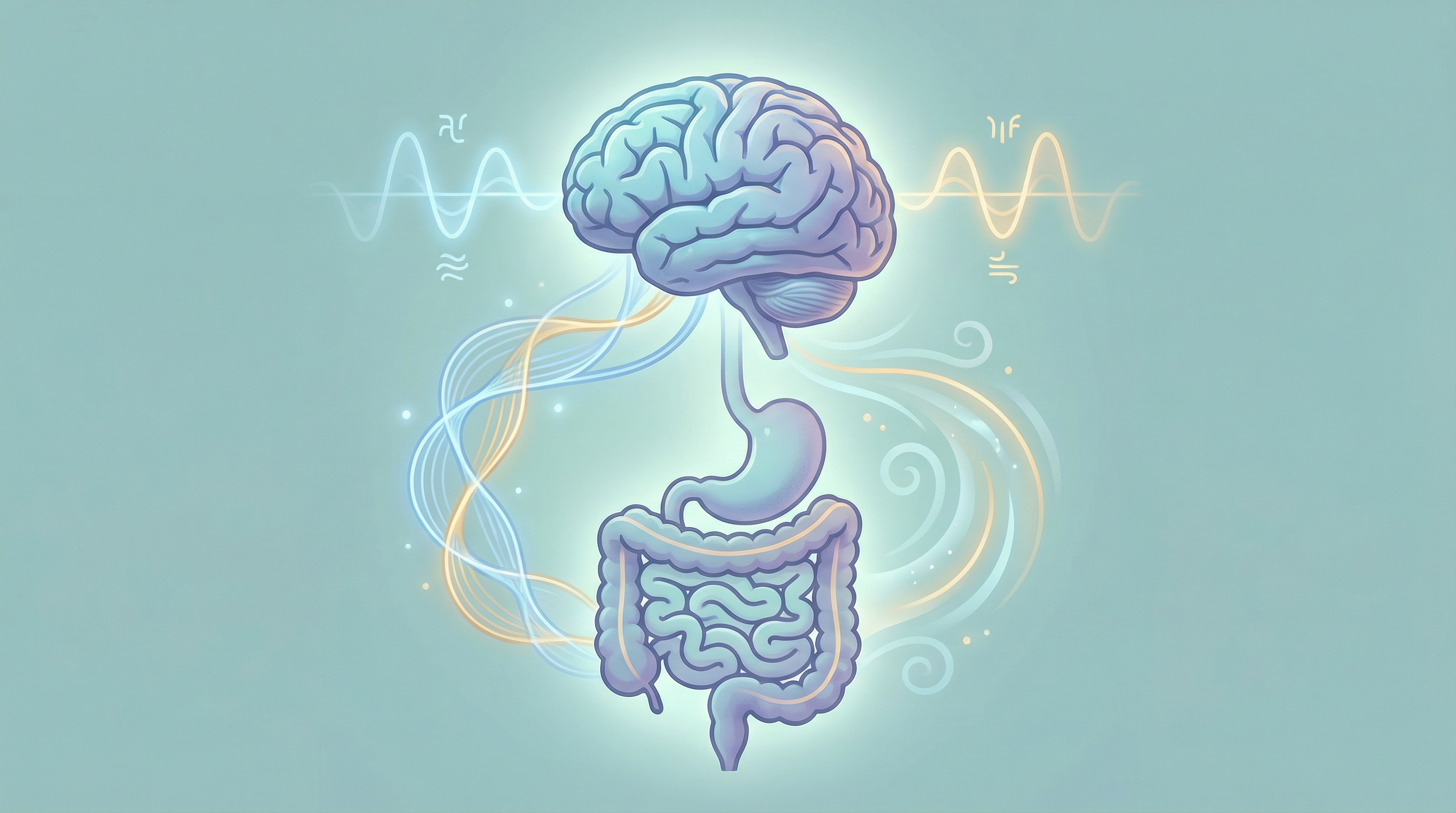
IBS is increasingly recognized as a disorder of the gut-brain axis, with bidirectional communication between the central nervous system and the gut microbiome playing a crucial role in symptom development.[5]
A 2023 study published in Gastroenterology found that IBS patients with anxiety showed distinct microbiome patterns compared to those without anxiety, suggesting that psychological factors may influence gut microbiota composition and vice versa.
Stress and psychological factors can alter gut motility, secretion, and permeability through the autonomic nervous system. Simultaneously, gut microbes produce neuroactive compounds that influence brain function and behavior. This complex interplay explains why psychological interventions like cognitive behavioral therapy can be effective for some IBS patients.
Future Directions in Microbiome-Based IBS Treatment
The field of microbiome research in IBS is rapidly evolving, with several promising developments on the horizon:
- Personalized Microbial Therapeutics: Tailored probiotic formulations based on individual microbiome profiles
- Precision Prebiotics: Targeted prebiotic compounds designed to selectively nourish beneficial bacteria depleted in specific IBS subtypes
- Postbiotics: Beneficial bacterial metabolites and components that may provide benefits without the need for live organisms
- Microbiome Diagnostics: Advanced testing to identify microbial signatures that predict treatment response
- Phage Therapy: Bacteriophages that target specific pathogenic bacteria implicated in IBS
Research Summary
Multiple studies have shown that IBS patients often have distinct microbiome compositions compared to healthy individuals. Probiotic interventions, particularly with certain Bifidobacterium and Lactobacillus strains, have demonstrated efficacy in reducing IBS symptoms in clinical trials.
References
- Ford AC, Moayyedi P, Chey WD, et al.. American College of Gastroenterology Monograph on Management of Irritable Bowel Syndrome. American Journal of Gastroenterology. 2018;113(Suppl 2):1-18. doi:10.1038/s41395-018-0084-x ↩
- Pittayanon R, Lau JT, Yuan Y, et al.. The gut microbiome in irritable bowel syndrome. Gastroenterology. 2019;157(1):97-108. doi:10.1053/j.gastro.2019.03.049 ↩
- Li X, Yuan Q, Huang H, et al.. Gut microbiota in irritable bowel syndrome: a narrative review of mechanisms and microbiome-based therapies. Frontiers in Immunology. 2025;16:1695321. doi:10.3389/fimmu.2025.1695321 ↩
- Tap J, Derrien M, Törnblom H, et al.. Identification of an Intestinal Microbiota Signature Associated With Severity of Irritable Bowel Syndrome. Gastroenterology. 2017;152(1):111-123. doi:10.1053/j.gastro.2016.09.049 ↩
- Distrutti E, Monaldi L, Ricci P, et al.. Gut microbiota role in irritable bowel syndrome: New therapeutic strategies. World Journal of Gastroenterology. 2016;22(7):2219-2241. doi:10.3748/wjg.v22.i7.2219 ↩
- Staudacher HM, Irving PM, Lomer MCE, et al.. Mechanisms and efficacy of dietary FODMAP restriction in IBS. Nature Reviews Gastroenterology & Hepatology. 2014;11(4):256-266. doi:10.1038/nrgastro.2013.259 ↩
- Zhang H, Su Q.. Low-FODMAP Diet for Irritable Bowel Syndrome: Insights from Microbiome. Nutrients. 2025;17(3):544. doi:10.3390/nu17030544 ↩
- Yang R, Jiang J, Ouyang J, et al.. Efficacy and safety of probiotics in irritable bowel syndrome: A systematic review and meta-analysis. Clinical Nutrition ESPEN. 2024;60:362-372. doi:10.1016/j.clnesp.2024.02.025 ↩