

Enhanced Cholesterol Metabolism
Optimize cholesterol levels and lipid metabolism through gut microbiome support for better cardiovascular health.
Key Supporting Microbes
These beneficial microorganisms play key roles in supporting this health benefit:
Cholesterol and the Microbiome
Cholesterol management has traditionally focused on diet, exercise, and medications. But emerging research shows that gut bacteria significantly influence cholesterol metabolism—affecting how much cholesterol is absorbed, how it's processed, and how efficiently it's eliminated from the body.[1]
Understanding this connection reveals new strategies for optimizing cholesterol levels naturally through microbiome support.
How Gut Bacteria Affect Cholesterol
Bile Salt Hydrolase Activity
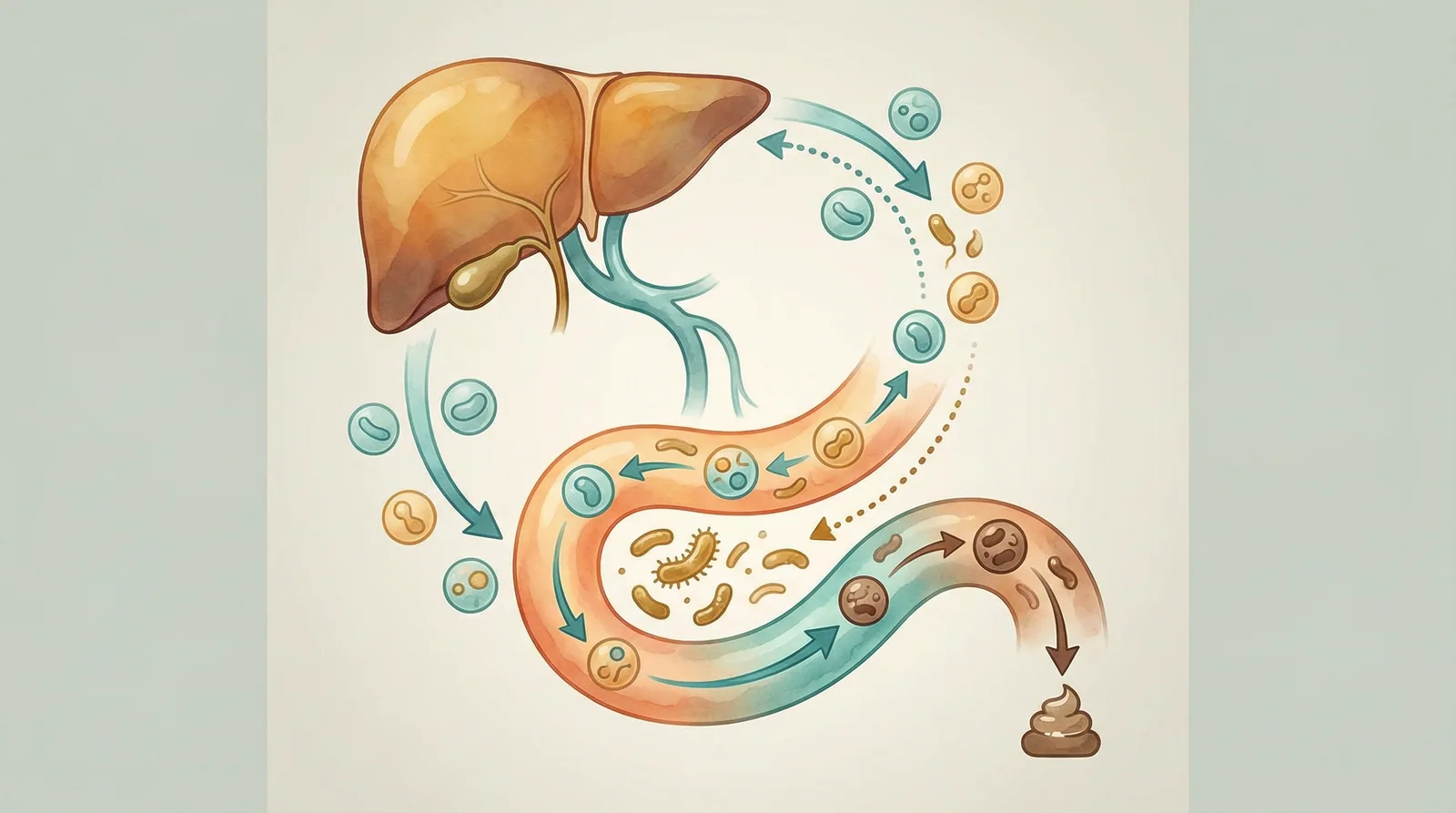
The most important mechanism involves bile salt hydrolase (BSH) enzymes:[2]
The process:
- Liver makes bile acids from cholesterol
- Bile acids are conjugated and secreted into gut
- Bacteria with BSH deconjugate bile acids
- Deconjugated bile acids are less well reabsorbed
- More bile acids exit in stool
- Liver must use more cholesterol to make new bile acids
- Blood cholesterol levels decrease
Bacteria with high BSH activity:
- Lactobacillus species
- Bifidobacterium species
- Enterococcus species
- Clostridium species
Direct Cholesterol Metabolism
Some bacteria directly affect cholesterol:
Cholesterol assimilation:
- Certain bacteria incorporate cholesterol into their cell membranes
- This reduces available cholesterol for absorption
- Lactobacillus acidophilus does this
Conversion to coprostanol:
- Some bacteria convert cholesterol to coprostanol
- Coprostanol is poorly absorbed
- Excreted in feces
- Reduces net cholesterol absorption
Bile Acid Signaling
Bacterial bile acid modifications affect cholesterol regulation:[3]
FXR activation:
- Bile acids activate FXR receptor
- FXR regulates cholesterol and bile acid synthesis
- Bacterial modifications change which bile acids predominate
- This affects cholesterol production in liver
Short-Chain Fatty Acids
SCFAs may influence cholesterol:
- Some evidence propionate reduces cholesterol synthesis
- SCFAs affect liver metabolism
- May reduce hepatic cholesterol output
- Mechanism still being clarified
Key Cholesterol-Lowering Microbes
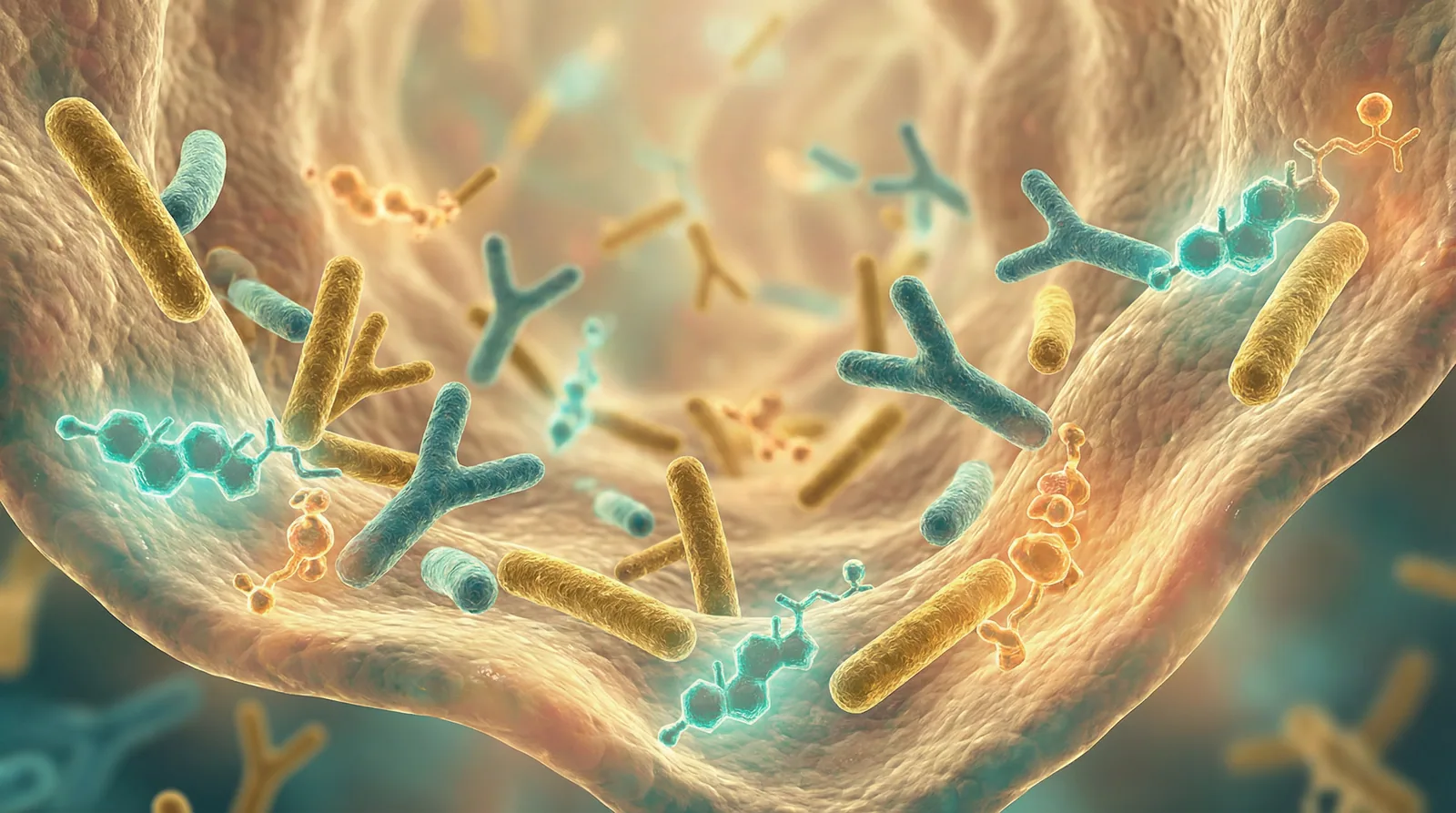
Lactobacillus reuteri
Most studied for cholesterol lowering:[2]
- Strain NCIMB 30242 (Microbiome Plus)
- High BSH activity
- Reduced LDL cholesterol by 9-12% in trials
- Also improved other lipid markers
- Available as a specific supplement
Lactobacillus plantarum
Effective cholesterol-lowering strain:
- High BSH activity
- Reduced total and LDL cholesterol in studies
- Multiple strains effective
- Found in fermented vegetables
Bifidobacterium Species
Support healthy cholesterol levels:
- Moderate BSH activity
- Associated with better lipid profiles
- Support overall metabolic health
- Respond to prebiotic fiber
Lactobacillus acidophilus
Foundational cholesterol support:
- Assimilates cholesterol
- BSH activity varies by strain
- Part of effective combinations
- Long track record of use
Signs of Unhealthy Cholesterol
Cholesterol issues usually have no symptoms. Know your numbers:
Concerning patterns:
- Total cholesterol > 200 mg/dL
- LDL cholesterol > 100 mg/dL (lower targets if high risk)
- HDL cholesterol < 40 mg/dL (men) or < 50 mg/dL (women)
- Triglycerides > 150 mg/dL
- High total/HDL ratio
Risk factors:
- Family history of high cholesterol or heart disease
- Obesity or overweight
- Sedentary lifestyle
- Unhealthy diet
- Diabetes
Dietary Strategies for Cholesterol
Soluble Fiber
Powerfully reduces cholesterol:
Oats and barley:
- Beta-glucan fiber particularly effective
- 3g/day beta-glucan reduces LDL 5-10%
- Start day with oatmeal
- Include barley in soups/stews
Legumes:
- Beans, lentils, chickpeas
- Multiple fiber types
- Also provide plant protein
- Very effective for cholesterol
Psyllium:
- Concentrated soluble fiber
- Can be added to foods
- Proven cholesterol-lowering effects
Plant Sterols and Stanols
Natural compounds that block cholesterol absorption:
- Found in nuts, seeds, vegetable oils
- Fortified foods available
- 2g/day reduces LDL 5-15%
- Work synergistically with fiber
Fermented Foods
Support cholesterol-lowering bacteria:
- Yogurt (especially with specific strains)
- Kefir
- Fermented vegetables
- Choose products with live cultures
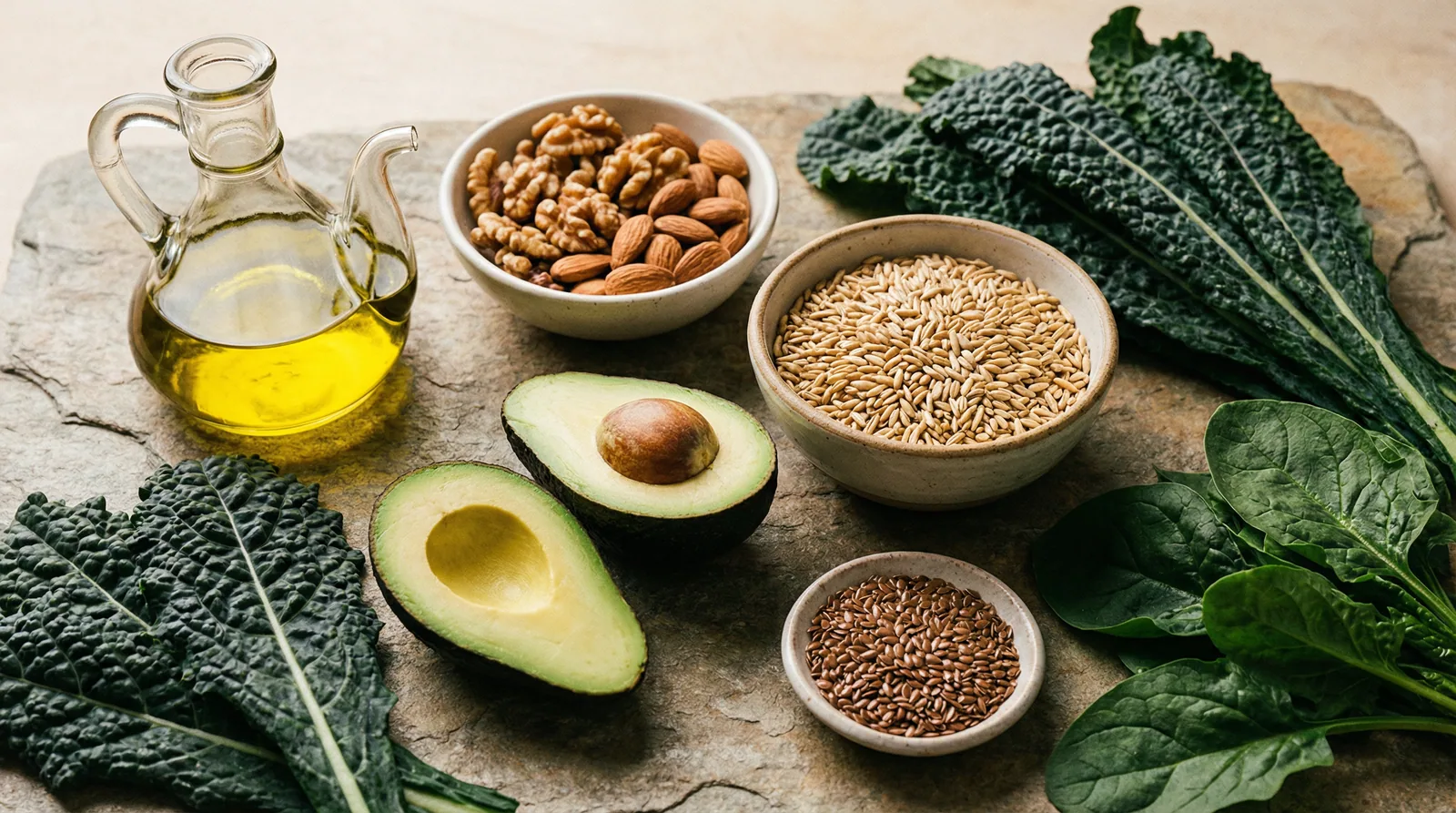
Healthy Fats
Replace unhealthy fats with better options:
Include:
- Olive oil (monounsaturated)
- Avocados
- Nuts (almonds, walnuts)
- Fatty fish (omega-3s)
Limit:
- Saturated fat from processed foods
- Trans fats
- Fried foods
Portfolio Diet Approach
Combining cholesterol-lowering foods:
- Soluble fiber + plant sterols + soy protein + nuts
- Can reduce LDL comparable to statins
- Synergistic effects
- Supports healthy microbiome too
Lifestyle Factors
Exercise
Physical activity improves lipid profile:
- Raises HDL cholesterol
- May lower LDL and triglycerides
- Supports healthy weight
- 150+ minutes moderate activity weekly
Weight Management
Excess weight worsens lipid profile:
- Losing weight improves all lipid markers
- Even modest loss helps
- Microbiome plays role in weight
- Sustainable changes most effective
Smoking Cessation
Smoking damages lipid metabolism:
- Lowers HDL cholesterol
- Increases oxidized LDL
- Quitting improves levels
- HDL rises within weeks of stopping
Limit Alcohol
Excessive alcohol affects lipids:
- Raises triglycerides
- Moderate consumption may raise HDL
- Balance is key
Targeted Probiotic Approach
For cholesterol management, research supports:
- Lactobacillus reuteri NCIMB 30242: Strongest evidence
- Lactobacillus plantarum: Multiple strains effective
- Combination products: Multiple cholesterol-lowering strains
Take with meals for best effect.
Testing and Monitoring
Regular lipid testing:
- Fasting lipid panel
- Every 4-6 years if normal, more often if abnormal
- Check 8-12 weeks after interventions
- Work with healthcare provider on goals
Advanced testing (if indicated):
- LDL particle number and size
- Lipoprotein(a)
- ApoB
Building Better Cholesterol Metabolism
Optimizing cholesterol through the microbiome involves:
- Prioritizing soluble fiber from oats, legumes, and vegetables
- Including plant sterols from nuts or fortified foods
- Choosing fermented foods with active cultures
- Considering specific probiotics with proven cholesterol benefits
- Following heart-healthy dietary patterns
- Regular exercise and weight management
Most people see cholesterol improvements within 4-8 weeks of dietary changes. Combining multiple approaches (fiber + probiotics + plant sterols) provides the greatest benefit, with LDL reductions of 15-25% possible through natural means.
Supporting Practices
Evidence-based strategies to support this benefit:
- Consume soluble fiber from oats, barley, and legumes
- Include plant sterols and stanols from nuts and fortified foods
- Eat fatty fish for omega-3 benefits
- Limit saturated fat from processed and fried foods
- Include fermented foods with cholesterol-lowering strains
- Exercise regularly to raise HDL cholesterol
Frequently Asked Questions
What is Enhanced Cholesterol Metabolism?
Optimize cholesterol levels and lipid metabolism through gut microbiome support for better cardiovascular health.
How does the microbiome support enhanced cholesterol metabolism?
Your gut microbiome plays a crucial role in enhanced cholesterol metabolism through various mechanisms involving specific beneficial bacteria and their metabolites.
Which microbes are important for enhanced cholesterol metabolism?
Key beneficial microbes include: Lactobacillus reuteri, Lactobacillus plantarum, Bifidobacterium species, Lactobacillus acidophilus.
References
- Kumar M, Nagpal R, Kumar R, et al.. Cholesterol-Lowering Probiotics as Potential Biotherapeutics for Metabolic Diseases. Experimental Diabetes Research. 2012;2012:902917. doi:10.1155/2012/902917 ↩
- Jones ML, Martoni CJ, Prakash S. Cholesterol lowering and inhibition of sterol absorption by Lactobacillus reuteri NCIMB 30242. European Journal of Clinical Nutrition. 2012;66(11):1234-1241. doi:10.1038/ejcn.2012.126 ↩
- Joyce SA, Gahan CG. Disease-Associated Changes in Bile Acid Profiles and Links to Altered Gut Microbiota. Digestive Diseases. 2017;35(3):169-177. doi:10.1159/000450907 ↩