

Cardiovascular Health
Support your heart and vascular system through microbiome optimization
Reduced cholesterol levels
Improved blood pressure regulation
Decreased arterial inflammation
Enhanced endothelial function
Better heart rhythm stability
The Gut-Brain Connection
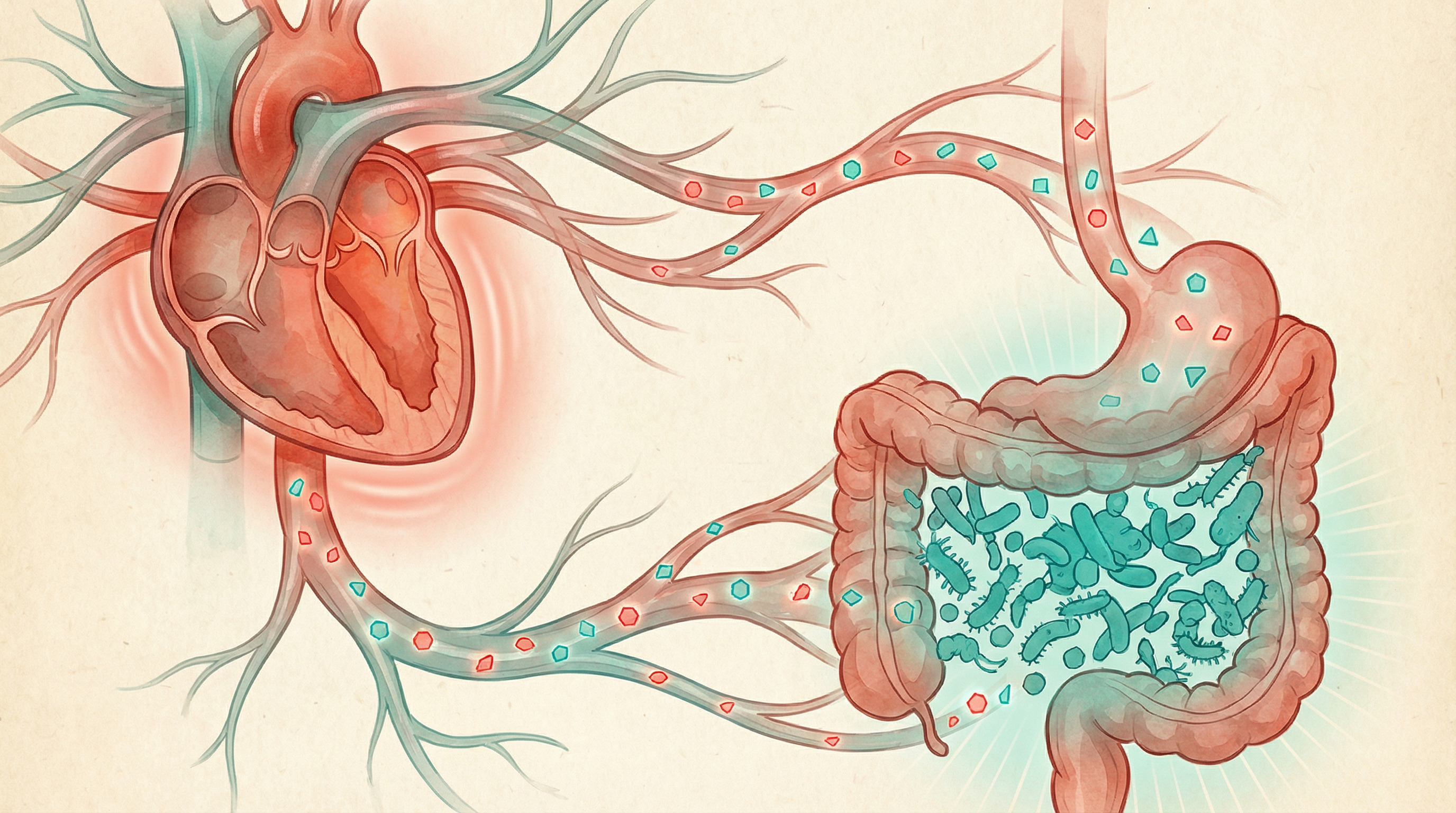
Your gut microbiome plays a profound role in cardiovascular health. Through what scientists call the gut-brain axis, trillions of microorganisms communicate directly with your brain, influencing everything from mood to cognitive function.
💡 Key Insight
Research Highlights
Gut Microbiome and TMAO Production
Certain gut bacteria convert dietary components to TMAO, a compound associated with increased cardiovascular risk.
New England Journal of Medicine, 2023
Butyrate-Producing Bacteria Protect Heart Health
Higher abundance of butyrate-producing bacteria is associated with lower blood pressure and reduced arterial stiffness.
Nature Cardiovascular Research, 2024
Specific Benefits
Explore the specific ways microbiome optimization supports cardiovascular health. Each benefit page provides in-depth information on mechanisms, supporting bacteria, and practical strategies.
Better Blood Pressure Regulation
Support healthy blood pressure through gut microbiome optimization affecting vascular tone, inflammation, and sodium handling.
Learn moreEnhanced Cholesterol Metabolism
Optimize cholesterol levels and lipid metabolism through gut microbiome support for better cardiovascular health.
Learn moreImproved TMAO Regulation
Reduce harmful TMAO production through microbiome optimization to protect cardiovascular health and reduce heart disease risk.
Learn moreReduced Vascular Inflammation
Decrease inflammation in blood vessels through gut microbiome optimization to protect against atherosclerosis and cardiovascular disease.
Learn more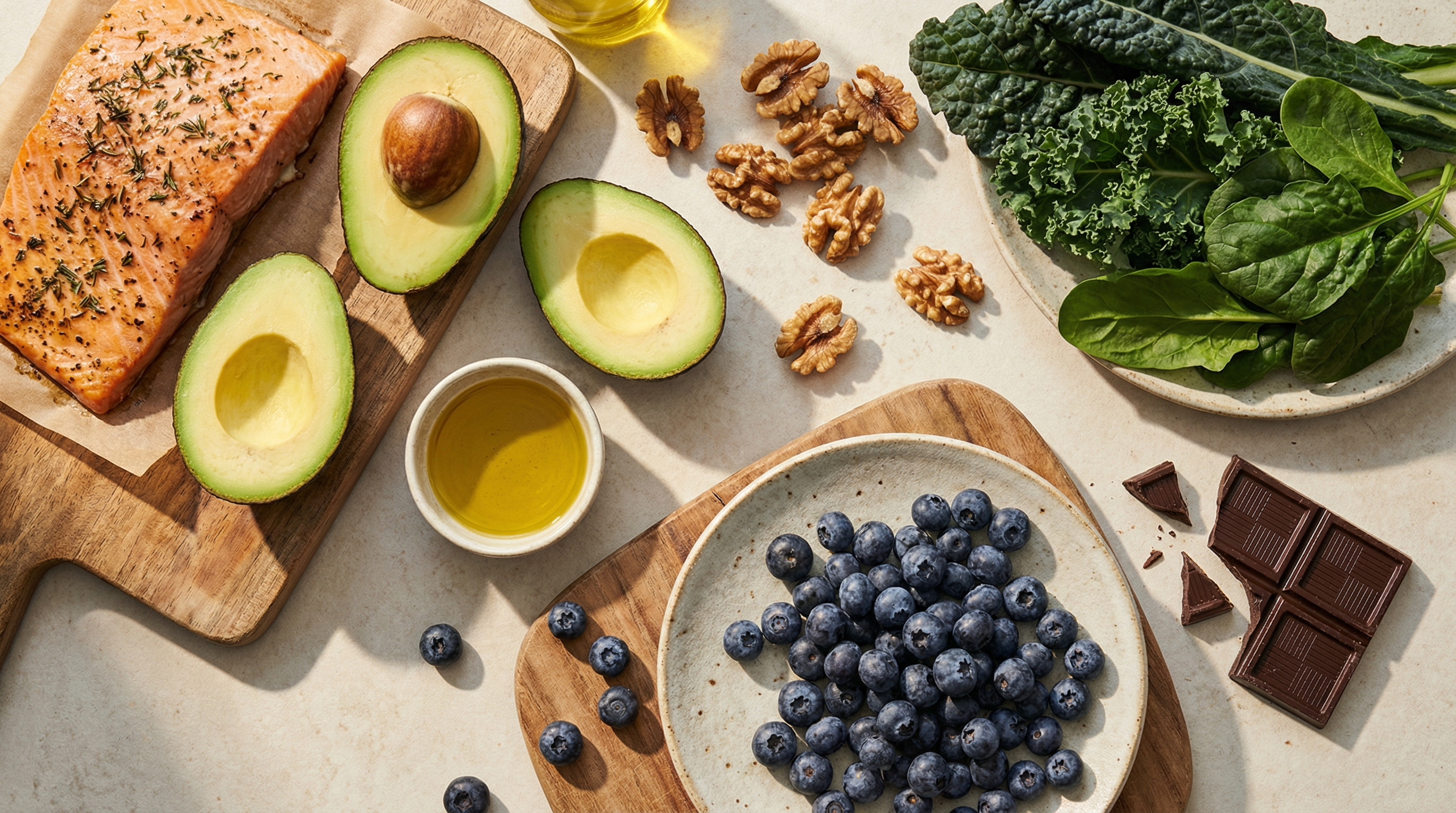
Key Beneficial Microbes
These specific microorganisms have been scientifically shown to support cardiovascular health through various mechanisms.
Akkermansia muciniphila
A. muciniphila
Supports cardiovascular health by enhancing metabolic function.
Faecalibacterium prausnitzii
F. prausnitzii
Supports cardiovascular health by enhancing digestive function.
Roseburia intestinalis
Roseburia
Supports cardiovascular health by enhancing digestive function.
Dietary Recommendations
🥗 Foods to Include
- Olive oil and omega-3 rich foods
- Fiber-rich vegetables and fruits
- Fermented foods
- Nuts and seeds
- Dark chocolate (70%+ cacao)
💊 Supplements to Consider
- Omega-3 fatty acids
- Probiotics with butyrate-producing strains
- CoQ10
- Plant sterols
- Berberine

Expert Tips
Incorporate fermented foods daily to support beneficial bacteria
Limit red meat consumption to reduce TMAO production
Include soluble fiber to help manage cholesterol levels
Practice intermittent fasting to improve cardiovascular markers
Reduce refined carbohydrates to support heart-healthy microbes
Frequently Asked Questions
How does the microbiome affect heart health?
The gut microbiome influences heart health through regulation of blood pressure, cholesterol metabolism, inflammation levels, and production of compounds like TMAO.
Can probiotics help lower cholesterol?
Yes, certain probiotic strains have been shown to help lower LDL cholesterol and increase HDL cholesterol.