

Improved TMAO Regulation
Reduce harmful TMAO production through microbiome optimization to protect cardiovascular health and reduce heart disease risk.
Key Supporting Microbes
These beneficial microorganisms play key roles in supporting this health benefit:
The TMAO-Heart Disease Connection
One of the most significant discoveries linking the gut microbiome to heart disease involves a molecule called TMAO (trimethylamine N-oxide). Research has shown that TMAO—produced when gut bacteria metabolize certain dietary compounds—is strongly associated with cardiovascular disease risk[1]. A comprehensive meta-analysis confirmed a dose-response relationship between circulating TMAO levels and cardiovascular events[4].
Understanding and optimizing TMAO production through microbiome strategies represents a powerful approach to protecting cardiovascular health.
What Is TMAO and How Is It Made?
The Production Pathway
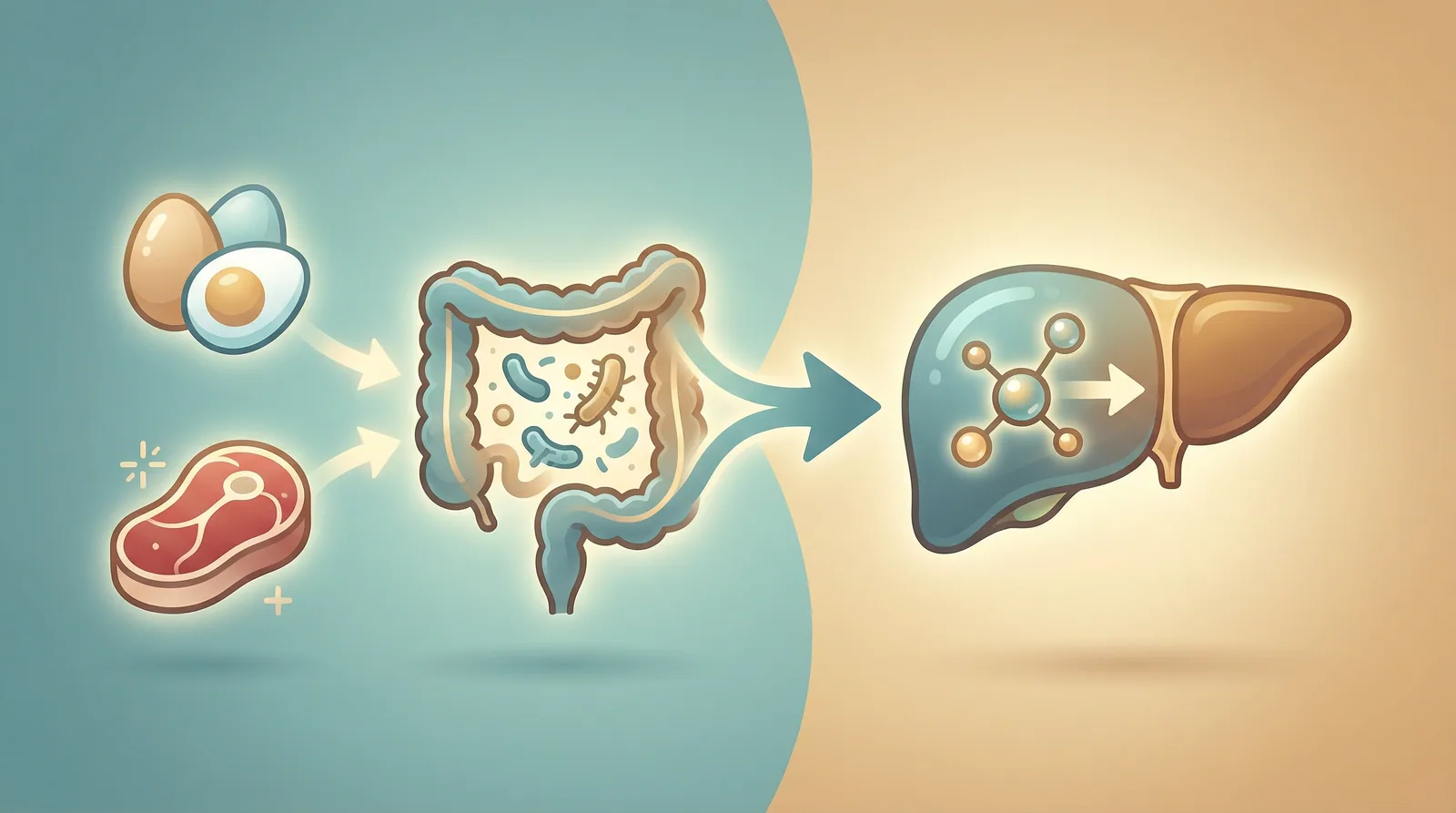
TMAO production involves gut bacteria and the liver[2]:
Step 1: Dietary precursors Certain compounds in food serve as raw materials:
- Choline (eggs, liver, beef)
- L-carnitine (red meat)
- Betaine (beets, spinach, quinoa)
- Phosphatidylcholine (lecithin)
Step 2: Bacterial conversion to TMA Specific gut bacteria convert these to trimethylamine (TMA):
- TMA has a fishy odor
- Production varies dramatically between individuals
- Depends on which bacteria are present
- Vegetarians produce far less TMA from carnitine
Step 3: Liver conversion to TMAO TMA travels to liver where it becomes TMAO:
- Liver enzyme FMO3 performs this conversion
- TMAO enters circulation
- Elevated blood TMAO associated with disease
Why TMAO Is Harmful
TMAO contributes to cardiovascular disease through multiple mechanisms[3]:
Promotes atherosclerosis:
- Increases cholesterol accumulation in artery walls
- Enhances foam cell formation
- Accelerates plaque development
Increases thrombosis risk:
- Makes platelets more reactive
- Increases clotting tendency
- Raises heart attack and stroke risk
Impairs reverse cholesterol transport:
- Reduces removal of cholesterol from arteries
- Interferes with protective HDL function
Promotes inflammation:
- Activates inflammatory pathways
- Contributes to vascular inflammation
Individual Variation in TMAO Production
Not everyone produces the same amount of TMAO from the same food:
The Microbiome Factor
Your gut bacteria determine TMAO production capacity:
- Certain bacterial species produce TMA efficiently
- Others don't produce significant TMA
- Microbiome composition is the key variable
- This explains why diet affects people differently
Vegetarians vs. Omnivores
Long-term diet shapes TMAO production:
- Vegetarians have different gut bacteria
- They produce little TMAO from carnitine challenges
- Omnivores produce much more
- Dietary patterns shape microbial communities over time
Testing TMAO
Blood and urine tests can measure TMAO:
- Elevated levels indicate higher risk
- Helps identify who needs intervention
- Can track response to dietary changes
- Becoming more available clinically
Bacteria That Influence TMAO
TMA-Producing Bacteria
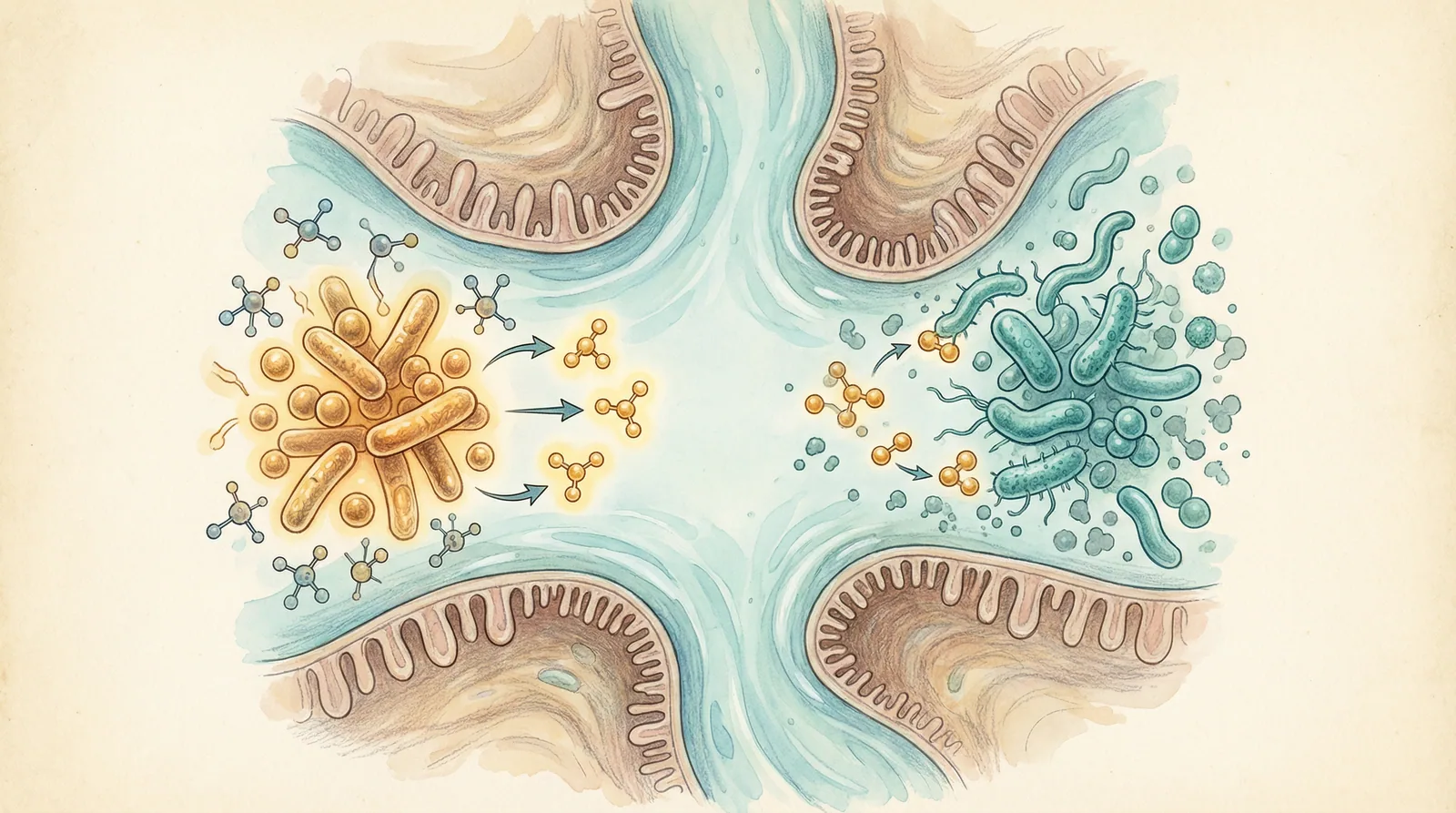
These bacteria efficiently convert precursors to TMA:
- Certain Clostridia species
- Some Firmicutes members
- Specific Proteobacteria
- Reducing these may lower TMAO
Potentially Protective Bacteria
Some bacteria may reduce TMAO production:
Akkermansia muciniphila:
- Associated with better metabolic health
- May compete with TMA producers
- Responds to polyphenols
Bifidobacterium species:
- Generally associated with lower TMAO
- Support overall gut health
- Thrive on plant fiber
Lactobacillus species:
- May reduce TMA-producing bacteria
- Support healthy gut environment
- Found in fermented foods
Dietary Strategies to Reduce TMAO
Reduce Precursor Intake
Limit red meat:
- Major source of L-carnitine
- Reducing intake lowers TMAO
- Replace with fish, poultry, or plant proteins
Moderate egg consumption:
- Eggs contain choline
- Research on eggs and TMAO is nuanced
- Moderate intake (1-2/day) may be fine for most
- Consider overall dietary pattern
Shift Dietary Pattern
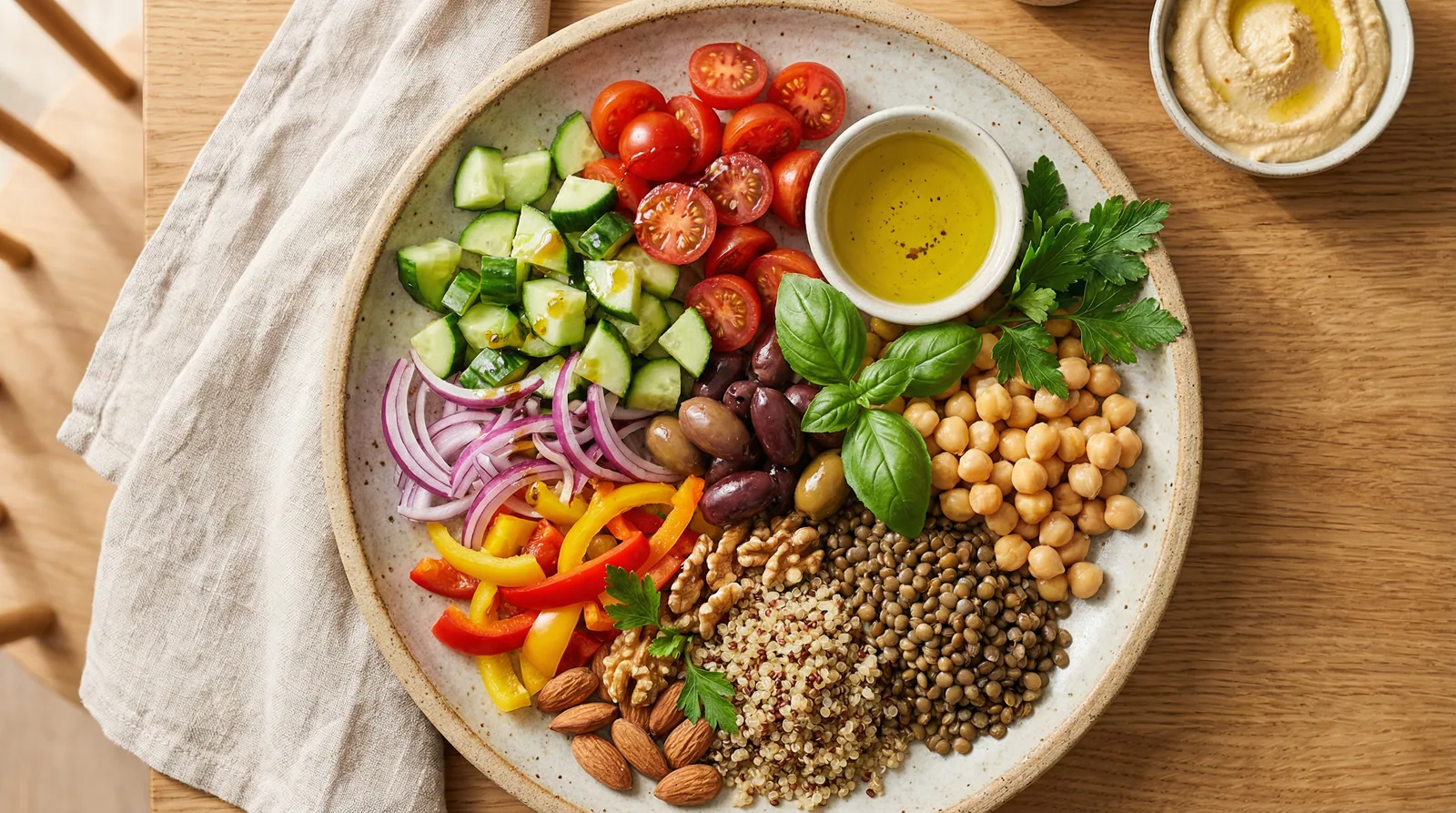
Mediterranean diet:
- Associated with lower TMAO despite containing fish
- High fiber supports beneficial bacteria
- Polyphenols may inhibit TMA production
- Olive oil may have protective effects
Plant-forward eating:
- More plants, less animal products
- Shifts microbiome composition
- Reduces TMA production capacity over time
- Doesn't require strict vegetarianism
Specific Protective Foods
Resveratrol sources[5]:
- Red grapes and wine (moderate)
- Berries
- May inhibit TMA-producing enzymes
- Studies show resveratrol can attenuate TMAO-induced atherosclerosis by remodeling gut microbiota
Allicin-rich foods:
- Garlic
- May reduce TMA production
- Antimicrobial against certain bacteria
High-fiber foods:
- Feed beneficial bacteria
- May dilute TMA-producing populations
- Diverse fiber sources best
DMB-containing foods:
- 3,3-dimethyl-1-butanol found in some foods
- Extra virgin olive oil
- Red wine
- Grape seed oil
- May inhibit TMA production
Lifestyle Factors
Exercise
Physical activity may affect TMAO:
- Some evidence it reduces TMAO levels
- Improves overall cardiovascular health
- Supports healthy microbiome
- Regular moderate exercise recommended
Intermittent Fasting
May influence TMAO:
- Reduces overall intake of precursors
- May shift microbiome composition
- More research needed
- Part of overall healthy pattern
Testing and Monitoring
Consider TMAO testing if you:
- Have cardiovascular disease or strong family history
- Consume high amounts of red meat
- Have other cardiovascular risk factors
- Want to track intervention effectiveness
Building Better TMAO Regulation
Reducing TMAO through microbiome optimization involves:
- Reducing red meat consumption significantly
- Shifting toward plant-based proteins
- Following Mediterranean-style eating patterns
- Including garlic, olive oil, and polyphenol-rich foods
- Supporting beneficial bacteria with diverse fiber
- Considering TMAO testing to personalize approach
Most dietary interventions begin to shift TMAO production within 2-4 weeks, though significantly reshaping the microbiome to reduce TMA-producing capacity may take several months of consistent dietary change.
Supporting Practices
Evidence-based strategies to support this benefit:
- Limit red meat consumption to reduce TMAO precursors
- Increase plant-based protein sources
- Consume Mediterranean-style diet patterns
- Include resveratrol-rich foods like grapes and berries
- Consider reducing choline supplements if TMAO is a concern
- Support diverse gut bacteria through fiber variety
Frequently Asked Questions
What is Improved TMAO Regulation?
Reduce harmful TMAO production through microbiome optimization to protect cardiovascular health and reduce heart disease risk.
How does the microbiome support improved tmao regulation?
Your gut microbiome plays a crucial role in improved tmao regulation through various mechanisms involving specific beneficial bacteria and their metabolites.
Which microbes are important for improved tmao regulation?
Key beneficial microbes include: Akkermansia muciniphila, Bifidobacterium species, Lactobacillus species, Eubacterium species.
References
- Wang Z, Klipfell E, Bennett BJ, et al.. Gut flora metabolism of phosphatidylcholine promotes cardiovascular disease. Nature. 2011;472(7341):57-63. doi:10.1038/nature09922
- Koeth RA, Wang Z, Levison BS, et al.. Intestinal microbiota metabolism of L-carnitine, a nutrient in red meat, promotes atherosclerosis. Nature Medicine. 2013;19(5):576-585. doi:10.1038/nm.3145
- Zhu W, Gregory JC, Org E, et al.. Gut Microbial Metabolite TMAO Enhances Platelet Hyperreactivity and Thrombosis Risk. Cell. 2016;165(1):111-124. doi:10.1016/j.cell.2016.02.011
- Schiattarella GG, Sannino A, Toscano E, et al.. Gut microbe-generated metabolite trimethylamine-N-oxide as cardiovascular risk biomarker: a systematic review and dose-response meta-analysis. European Heart Journal. 2017;38(39):2948-2956. doi:10.1093/eurheartj/ehx342
- Chen ML, Yi L, Zhang Y, et al.. Resveratrol attenuates trimethylamine-N-oxide (TMAO)-induced atherosclerosis by regulating TMAO synthesis and bile acid metabolism via remodeling of the gut microbiota. mBio. 2016;7(2):e02210-15. doi:10.1128/mBio.02210-15