

Burkholderia cepacia complex
Key Characteristics
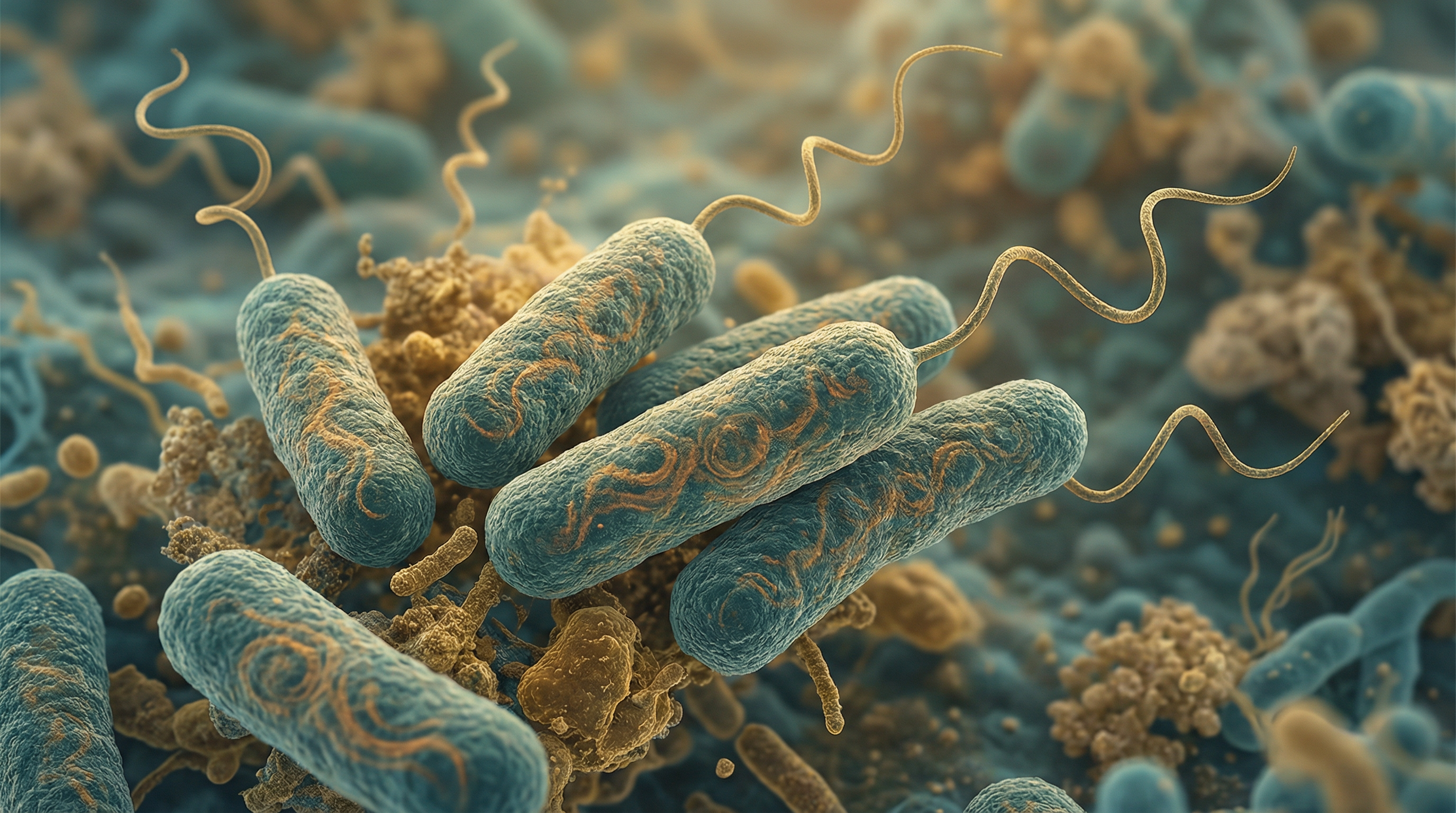
The Burkholderia cepacia complex (Bcc) is a group of at least 17 closely related species of Gram-negative, aerobic, non-spore-forming, motile, rod-shaped bacteria belonging to the β-proteobacteria subdivision. Originally identified as a plant pathogen causing onion rot, these bacteria have emerged as significant opportunistic human pathogens, particularly in individuals with cystic fibrosis (CF) and chronic granulomatous disease (CGD). Key characteristics of the Bcc include:
- Gram-negative, aerobic, non-fermenting bacilli
- Motile with polar flagella
- Optimal growth temperature of 30-37°C
- Genomic structure consisting of multiple chromosomes (typically 2-3) and plasmids
- Large genome size (6-10 Mbp) with high GC content (66-68%)
- Extraordinary metabolic versatility allowing adaptation to diverse environments
- Natural resistance to multiple antibiotics and disinfectants
- Ability to form biofilms on both biotic and abiotic surfaces
- Production of various extracellular enzymes including proteases, lipases, and hemolysins
- Capacity to utilize a wide range of carbon sources for growth
- Production of siderophores for iron acquisition
- Quorum sensing systems that regulate virulence factor expression
- Ability to survive intracellularly within host cells, including macrophages
- Genomic plasticity facilitating adaptation to changing environments
- Capacity to degrade xenobiotics and environmental pollutants
- Taxonomic complexity with at least 17 distinct species that are phenotypically similar but genetically distinct
The most clinically relevant species within the Bcc are B. cenocepacia and B. multivorans, which together account for approximately 85-97% of all Bcc infections in CF patients. Other clinically significant species include B. cepacia, B. vietnamiensis, B. dolosa, B. ambifaria, and B. stabilis. The complex is ubiquitously distributed in nature and can be found in soil, water, the rhizosphere of plants, and various man-made environments, including pharmaceutical products and hospital equipment.
The Bcc bacteria are highly adaptable and can survive in nutrient-poor conditions, resist desiccation, and tolerate various antimicrobial agents. This adaptability, combined with their intrinsic antibiotic resistance and virulence factors, makes them formidable opportunistic pathogens in susceptible hosts.
Role in Human Microbiome
The Burkholderia cepacia complex is not considered a normal component of the healthy human microbiome. Unlike many commensal bacteria that colonize various body sites, Bcc bacteria are primarily environmental organisms that opportunistically infect humans under specific circumstances. Their relationship with the human microbiome can be characterized as follows:
Colonization patterns:
- Transient colonization of the respiratory tract, particularly in individuals with underlying respiratory conditions
- Rarely found as part of the normal microbiota in healthy individuals
- Primarily colonizes the respiratory tract of CF patients, with colonization rates varying from 2-8% depending on the geographic region
- Can persist in the respiratory tract for extended periods, sometimes for years
- Colonization often precedes infection and is a risk factor for developing invasive disease
Interaction with resident microbiota:
- Forms polymicrobial communities with other respiratory pathogens, particularly Pseudomonas aeruginosa
- Can form mixed biofilms with P. aeruginosa, which may enhance antibiotic resistance and virulence
- Competes with resident microbiota for nutrients and attachment sites
- May displace or be displaced by other microorganisms depending on host and environmental factors
- Quorum sensing systems allow communication with other bacterial species in the respiratory microbiome
Factors promoting colonization:
- Disruption of normal respiratory microbiota by prior antibiotic therapy
- Impaired mucociliary clearance in CF patients
- Altered airway surface liquid composition in CF
- Compromised immune function in CGD patients
- Presence of indwelling medical devices
- Prior colonization with P. aeruginosa may facilitate Bcc colonization
Transmission and acquisition:
- Person-to-person transmission through direct contact or respiratory droplets
- Acquisition from contaminated environmental sources, including medical equipment and solutions
- Nosocomial transmission in healthcare settings
- Social contact between CF patients is a significant risk factor for transmission
- Segregation policies in CF clinics have reduced but not eliminated transmission
Ecological niches within the host:
- Primarily colonizes the lower respiratory tract in CF patients
- Can form biofilms within the thick mucus of CF airways
- May invade and survive within respiratory epithelial cells
- Can persist within macrophages and other phagocytic cells
- Occasionally disseminates to the bloodstream and other organs
While not a component of the normal microbiome, the interaction of Bcc with the host and other microorganisms in the respiratory tract of susceptible individuals represents a complex ecological relationship that significantly impacts disease progression and clinical outcomes. Understanding these interactions is crucial for developing effective strategies to prevent colonization and treat established infections.
Health Implications
The Burkholderia cepacia complex has significant health implications, particularly for individuals with underlying conditions such as cystic fibrosis (CF) and chronic granulomatous disease (CGD). The health impact of Bcc infections varies widely, ranging from asymptomatic colonization to severe, life-threatening disease. Key health implications include:
Impact in cystic fibrosis patients:
- Variable clinical outcomes: Ranging from asymptomatic colonization to rapid respiratory decline known as "cepacia syndrome"
- Cepacia syndrome: Characterized by necrotizing pneumonia, high fever, leukocytosis, elevated inflammatory markers, bacteremia, and rapid deterioration of lung function, often leading to death
- Accelerated decline in lung function: Even without cepacia syndrome, Bcc colonization is associated with faster deterioration of pulmonary function
- Increased mortality: Higher mortality rates compared to CF patients not colonized with Bcc
- Reduced transplant eligibility: Bcc infection, particularly with B. cenocepacia, is often considered a contraindication for lung transplantation
- Chronic infection: Persistent infection despite aggressive antimicrobial therapy
- Increased hospitalization: More frequent and longer hospital stays
- Psychological impact: Anxiety and social isolation due to infection control measures and poor prognosis
Impact in chronic granulomatous disease patients:
- Invasive infections: Pneumonia, lymphadenitis, osteomyelitis, and subcutaneous abscesses
- Septicemia: Bloodstream infections with high mortality rates
- Recurrent infections: Difficulty in eradicating the organism leading to repeated infectious episodes
- Second leading cause of death: After Aspergillus infections in CGD patients
Nosocomial infections:
- Outbreaks in healthcare settings: Affecting both immunocompromised and occasionally immunocompetent patients
- Contamination of medical products: Including disinfectants, antiseptics, medications, and medical devices
- Ventilator-associated pneumonia: In intensive care unit patients
- Catheter-related bloodstream infections: Particularly in hemodialysis and oncology patients
- Surgical site infections: Following various surgical procedures
- High mortality: Especially in critically ill patients
Specific clinical manifestations:
- Respiratory infections: Pneumonia, tracheobronchitis, sinusitis
- Bloodstream infections: Bacteremia and septicemia
- Urinary tract infections: Particularly in catheterized patients
- Wound infections: Including surgical wounds and burn wounds
- Central nervous system infections: Meningitis and brain abscesses (rare)
- Endocarditis: Infection of heart valves (rare)
- Ocular infections: Keratitis and endophthalmitis (rare)
Risk factors for poor outcomes:
- Specific Bcc species: B. cenocepacia and B. dolosa associated with worse outcomes
- High bacterial load: Greater bacterial burden correlates with more severe disease
- Co-infection: Presence of other pathogens, particularly P. aeruginosa
- Malnutrition: Poor nutritional status exacerbates disease severity
- Advanced lung disease: Pre-existing severe lung damage
- Younger age at acquisition: Earlier infection associated with worse prognosis
- Specific strain types: Certain epidemic strains (e.g., ET12, PHDC, Midwest clone) linked to increased virulence
Public health significance:
- Infection control challenges: Difficult to eradicate from healthcare environments
- Transmission risk: Person-to-person transmission necessitating patient segregation
- Antimicrobial resistance: Contributes to the global problem of multidrug-resistant organisms
- Resource utilization: Increased healthcare costs due to prolonged hospitalizations and complex treatments
- Research prioritization: Drives research into novel antimicrobial therapies and infection control strategies
The health implications of Bcc infections are compounded by the complex's intrinsic resistance to many antibiotics, limiting therapeutic options and often resulting in persistent infections that are difficult or impossible to eradicate. The unpredictable clinical course and potential for rapid deterioration make Bcc infections particularly challenging for healthcare providers and devastating for affected patients.
Metabolic Activities
The Burkholderia cepacia complex exhibits remarkable metabolic versatility, which contributes to its ability to thrive in diverse environments and its pathogenicity in human hosts. Key aspects of Bcc metabolism include:
Carbon metabolism:
- Diverse carbon source utilization: Can metabolize a wide range of carbon compounds including sugars, amino acids, organic acids, aromatic compounds, and xenobiotics
- Central carbon metabolism: Employs the Entner-Doudoroff pathway, pentose phosphate pathway, and tricarboxylic acid (TCA) cycle
- Gluconeogenesis: Capable of synthesizing glucose from non-carbohydrate carbon sources
- Anaerobic respiration: Some species can use nitrate as an alternative electron acceptor under oxygen-limited conditions
- Aromatic compound degradation: Possesses pathways for breaking down complex aromatic structures, including environmental pollutants
- Xenobiotic metabolism: Ability to degrade man-made compounds, including pesticides and herbicides
- Adaptation to nutrient limitation: Metabolic flexibility allows survival in nutrient-poor environments
Nitrogen metabolism:
- Nitrogen fixation: Some species (particularly B. vietnamiensis) can fix atmospheric nitrogen
- Nitrate/nitrite reduction: Ability to use nitrate and nitrite as nitrogen sources
- Amino acid catabolism: Can utilize various amino acids as both carbon and nitrogen sources
- Polyamine metabolism: Production and utilization of polyamines for growth and stress response
- Ammonia assimilation: Efficient incorporation of ammonia into amino acids and other nitrogen-containing compounds
Iron acquisition and metabolism:
- Siderophore production: Synthesizes multiple siderophores, including ornibactin, pyochelin, and cepabactin
- Heme utilization: Can use host heme compounds as iron sources
- Iron-regulated gene expression: Sophisticated regulatory systems to control iron uptake and utilization
- Iron storage: Production of bacterioferritin and other iron storage proteins
- Iron-dependent enzyme systems: Numerous iron-containing enzymes for various metabolic processes
Lipid metabolism:
- Phospholipid biosynthesis: Production of membrane phospholipids with unique composition
- Lipase production: Secretion of lipases that contribute to virulence
- Fatty acid β-oxidation: Utilization of fatty acids as carbon and energy sources
- Lipopolysaccharide (LPS) synthesis: Production of complex LPS structures that contribute to antibiotic resistance and immune evasion
- Polyhydroxyalkanoate synthesis: Storage of carbon as intracellular granules under nutrient-limited conditions
Secondary metabolite production:
- Antimicrobial compounds: Production of antibiotics and antifungals that inhibit competing microorganisms
- Quorum sensing molecules: Synthesis of N-acyl homoserine lactones and other signaling molecules
- Volatile compounds: Production of volatile organic compounds with various biological activities
- Exopolysaccharides: Secretion of complex polysaccharides for biofilm formation
- Toxins and virulence factors: Metabolic pathways dedicated to virulence factor production
Stress response metabolism:
- Oxidative stress defense: Production of catalases, superoxide dismutases, and other antioxidant enzymes
- Osmotic stress adaptation: Synthesis of compatible solutes for osmotic balance
- pH homeostasis: Metabolic adaptations to maintain internal pH in acidic or alkaline environments
- Antibiotic resistance mechanisms: Metabolic pathways for antibiotic modification or degradation
- Biofilm metabolism: Altered metabolic states within biofilm communities
Host-pathogen metabolic interactions:
- Adaptation to the CF lung environment: Metabolic shifts to utilize available nutrients in CF airways
- Amino acid metabolism in the host: Preferential utilization of amino acids abundant in CF sputum
- Competition for iron: Sophisticated iron acquisition systems to compete with host iron-binding proteins
(Content truncated due to size limit. Use line ranges to read in chunks)