

Bacillus cereus
Characteristics
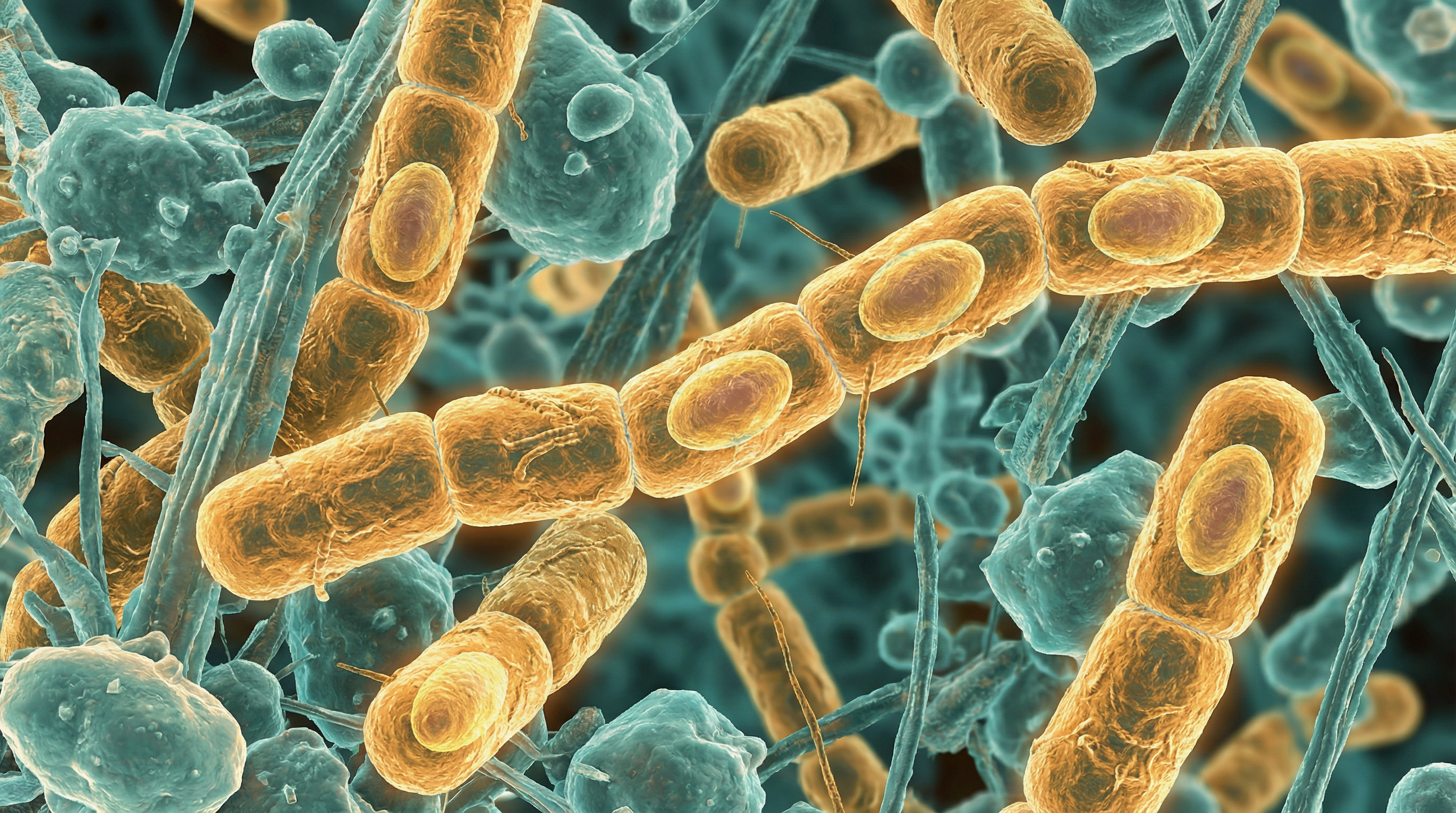
Bacillus cereus is a Gram-positive, facultatively anaerobic, rod-shaped, spore-forming bacterium belonging to the phylum Firmicutes. It is ubiquitously distributed in the environment, particularly in soil and vegetation, due to its ability to form endospores that can withstand harsh environmental conditions. These spores are resistant to heat, desiccation, radiation, and various chemical agents, allowing B. cereus to persist in adverse environments and contaminate food products.
The bacterium typically measures 1.0-1.5 μm in width and 3.0-5.0 μm in length, appearing as single cells or in short chains. When grown on blood agar, B. cereus colonies are large (3-8 mm in diameter), flat to slightly convex, with irregular or "frosted glass" appearance. Most strains exhibit beta-hemolysis, creating clear zones around colonies on blood agar plates.
B. cereus is motile due to the presence of peritrichous flagella, which contribute to its ability to spread in the environment and colonize various surfaces. The bacterium can grow across a wide temperature range (10-50°C), with optimal growth occurring between 28-35°C, and can tolerate pH values between 4.9 and 9.3.
Genetically, B. cereus is part of the Bacillus cereus group (also known as Bacillus cereus sensu lato), which includes several closely related species such as B. anthracis (the causative agent of anthrax), B. thuringiensis (used as a biopesticide), B. mycoides, B. pseudomycoides, B. weihenstephanensis, and B. cytotoxicus. These species share high genetic similarity but exhibit different pathogenic potentials and ecological niches.
B. cereus possesses numerous virulence factors, including hemolysins, phospholipases, and enterotoxins, which contribute to its pathogenicity. The bacterium can produce biofilms, enhancing its ability to adhere to surfaces and resist antimicrobial agents. Additionally, B. cereus can secrete various exoenzymes, including proteases, lipases, and amylases, which facilitate nutrient acquisition and contribute to its adaptability in different environments.
Role in Human Microbiome
Bacillus cereus is not considered a normal constituent of the healthy human microbiome but rather an opportunistic pathogen that can transiently colonize the gastrointestinal tract. Unlike commensal bacteria that establish stable populations in the gut, B. cereus typically enters the human body through the consumption of contaminated food and passes through the digestive system without establishing long-term colonization in healthy individuals.
In the gastrointestinal tract, B. cereus can interact with the resident microbiota in several ways:
Transient colonization: Following ingestion of contaminated food, B. cereus can temporarily colonize the intestinal tract. The spores can survive the acidic environment of the stomach and germinate in the small intestine, where vegetative cells can multiply and produce toxins.
Microbiota disruption: Research using in vitro models has shown that B. cereus can significantly alter the composition of the gut microbiota. Studies have demonstrated that the presence of B. cereus can reduce levels of beneficial bacteria such as Proteobacteria (particularly Escherichia coli), Lactobacillus, and Akkermansia, while increasing the abundance of Bifidobacterium and Mitsuokella.
Mucin adhesion: B. cereus has been shown to adhere to intestinal mucins, which may facilitate its colonization of the intestinal mucosa and subsequent impact on the resident microbial communities.
Competitive interactions: In some contexts, particularly in animal models, certain strains of B. cereus have been used as probiotics. In these cases, B. cereus can reshape the intestinal bacterial community through competitive exclusion of opportunistic pathogens. For example, in fish models, B. cereus supplementation has been shown to reduce opportunistic pathogens like Aeromonas while increasing beneficial bacteria such as Romboutsia and Clostridium sensu stricto.
Ecological network modulation: B. cereus can influence the species-species interactions within the gut microbiota, potentially altering the ecological network from competitive to cooperative interactions, which may have implications for microbial homeostasis.
It's important to note that while some strains of B. cereus have been investigated for probiotic potential in animal models, the species is primarily recognized as a human pathogen rather than a beneficial member of the human microbiome. The transient presence of B. cereus in the human gut is generally associated with potential pathological outcomes rather than health benefits.
Health Implications
Bacillus cereus can cause a spectrum of health effects in humans, primarily associated with food poisoning but also including various extra-gastrointestinal infections. The health implications of B. cereus can be categorized into gastrointestinal syndromes and extra-gastrointestinal infections.
Gastrointestinal Syndromes:
Emetic Syndrome (Vomiting Type):
- Caused by the ingestion of cereulide, a preformed heat-stable toxin produced in food
- Characterized by nausea and vomiting, similar to Staphylococcus aureus food poisoning
- Onset: 30 minutes to 6 hours after consumption
- Duration: Usually resolves within 24 hours
- Commonly associated with starchy foods, particularly rice (hence the name "fried rice syndrome")
- Cereulide is resistant to heat, acid, and proteolysis, making it stable even after cooking
Diarrheal Syndrome:
- Caused by enterotoxins (primarily hemolysin BL, nonhemolytic enterotoxin, and cytotoxin K) produced by vegetative cells in the small intestine
- Characterized by profuse watery diarrhea, abdominal pain, and cramping
- Onset: 6-15 hours after consumption
- Duration: Usually resolves within 24 hours
- Associated with protein-rich foods left at ambient temperature
- The enterotoxins are heat-labile and can be inactivated by proper cooking
Extra-Gastrointestinal Infections:
Ocular Infections:
- Endophthalmitis (infection of the inner eye) is the most common extra-intestinal manifestation
- Characterized by corneal ring abscess, rapid progression of pain, proptosis, chemosis, retinal hemorrhage
- Often results from penetrating eye injuries
- Can lead to vision loss if not promptly treated
Bacteremia and Endocarditis:
- More common in immunocompromised individuals, particularly those with hematologic malignancies
- Associated with intravenous drug use, central venous catheters, or mucosal injuries
- Can lead to secondary nervous system involvement
- Endocarditis typically occurs in individuals with intracardiac hardware or intravenous drug users
Soft Tissue and Bone Infections:
- Can occur following penetrating trauma, open fractures, animal bites, or burn wounds
- Manifestations include cellulitis, necrotizing soft tissue infections, and osteomyelitis
- B. cereus can cause superinfection of chronic osteomyelitis sites
Central Nervous System Infections:
- Meningitis and brain abscesses, particularly in immunocompromised patients
- Can result from hematogenous spread or direct inoculation during neurosurgical procedures
Respiratory Infections:
- Pneumonia, particularly in immunocompromised hosts or following aspiration
- Can cause severe necrotizing pneumonia with high mortality rates
Risk Factors:
Several factors increase the risk of B. cereus infections:
- Immunosuppression (particularly hematologic malignancies)
- Intravenous drug use
- Presence of indwelling medical devices (catheters, prosthetic valves)
- Neonatal period
- Penetrating injuries
- Improper food handling and storage
Public Health Significance:
B. cereus food poisoning is likely underreported due to its self-limiting nature and similarity to other causes of foodborne illness. Preventive measures include:
- Proper food handling and storage (keeping foods below 4°C or above 60°C)
- Rapid cooling of cooked foods, particularly rice and other starchy foods
- Thorough reheating of leftover foods
- Proper hand hygiene and food preparation practices
While most B. cereus infections are self-limiting, severe cases, particularly extra-gastrointestinal infections, may require antimicrobial therapy. However, B. cereus is inherently resistant to beta-lactam antibiotics, and some strains have developed multidrug resistance, complicating treatment.
Metabolic Activities
Bacillus cereus exhibits versatile metabolic capabilities that enable it to thrive in diverse environments and contribute to its pathogenicity. Its metabolic activities can be categorized into several key areas:
Carbohydrate Metabolism:
Glycolysis and Fermentation: B. cereus can utilize various carbohydrates through glycolysis, producing pyruvate which can be further metabolized through aerobic or anaerobic pathways. Under anaerobic conditions, it can ferment carbohydrates to produce acids and alcohols.
Starch Hydrolysis: The bacterium produces amylases that break down starch into simpler sugars, which is particularly relevant in starchy foods where B. cereus commonly causes food poisoning.
Pentose Phosphate Pathway: This pathway is active in B. cereus, providing NADPH for biosynthetic reactions and generating pentoses for nucleic acid synthesis.
Carbohydrate Utilization: B. cereus can metabolize various sugars including glucose, fructose, and maltose, but typically does not ferment mannitol or lactose, which is useful for its identification in laboratory settings.
Protein and Amino Acid Metabolism:
Proteolytic Activity: B. cereus produces various extracellular proteases that degrade proteins in the environment, providing amino acids and peptides for growth. These proteases also contribute to its virulence by degrading host tissues.
Amino Acid Catabolism: The bacterium can utilize various amino acids as carbon and nitrogen sources through deamination and transamination reactions.
Peptide Transport Systems: B. cereus possesses efficient peptide transport systems that facilitate the uptake of oligopeptides from the environment.
Lipid Metabolism:
Phospholipases: B. cereus produces several phospholipases (C, D, and sphingomyelinase) that hydrolyze phospholipids in cell membranes. These enzymes contribute to its pathogenicity by disrupting host cell membranes.
Lipases: The bacterium secretes lipases that break down triglycerides into fatty acids and glycerol, which can be further metabolized for energy production.
Fatty Acid Metabolism: B. cereus can utilize fatty acids through beta-oxidation, generating acetyl-CoA which enters the TCA cycle.
Energy Metabolism:
Aerobic Respiration: Under aerobic conditions, B. cereus utilizes oxygen as the terminal electron acceptor in its electron transport chain, generating ATP through oxidative phosphorylation.
Anaerobic Respiration: In the absence of oxygen, B. cereus can use alternative electron acceptors such as nitrate for respiration.
Tricarboxylic Acid (TCA) Cycle: The bacterium possesses a complete TCA cycle for the oxidation of acetyl-CoA, generating reducing equivalents (NADH and FADH2) for the electron transport chain.
Toxin Production:
Cereulide Synthesis: Emetic strains of B. cereus produce cereulide, a cyclic dodecadepsipeptide synthesized by a non-ribosomal peptide synthetase encoded on a plasmid. Cereulide acts as an ionophore, disrupting mitochondrial membrane potential and causing emesis.
Enterotoxin Production: Diarrheal strains produce various enterotoxins including:
- Hemolysin BL (HBL): A tripartite toxin consisting of binding component B and two lytic components L1 and L2
- Non-hemolytic enterotoxin (NHE): A three-component toxin that forms pores in cell membranes
- Cytotoxin K (CytK): A single-component protein that forms pores in cell membranes
Hemolysins: B. cereus produces several hemolysins that lyse red blood cells, contributing to its beta-hemolytic phenotype on blood agar.
Adaptive Metabolism:
Sporulation: Under nutrient limitation or environmental stress, B. cereus can initiate sporulation, a complex metabolic process resulting in the formation of endospores that can remain dormant for extended periods.
Biofilm Formation: The bacterium can form biofilms, altering its metabolism to adapt to the biofilm lifestyle, which includes reduced metabolic activity in the deeper layers of the biofilm.
Quorum Sensing: B. cereus utilizes quorum sensing systems to coordinate gene expression based on population density, affecting various metabolic pathways and virulence factor production.
Stress Response: The bacterium possesses various metabolic adaptations to respond to environmental stresses, including oxidative stress, acid stress, and heat shock.
In the context of the human gut microbiome, the metabolic activities of B. cereus can influence the intestinal environment. Its proteases and phospholipases can damage the intestinal epithelium, while its toxins can alter ion transport and fluid balance. Additionally, its ability to adhere to mucins and form biofilms may facilitate persistent colonization and chronic effects on the gut microbiota.
Clinical Relevance
Bacillus cereus has significant clinical relevance as both a cause of foodborne illness and an opportunistic pathogen capable of causing severe infections, particularly in immunocompromised individuals. Understanding its clinical aspects is essential for proper diagnosis, treatment, and prevention.
Diagnostic Considerations:
Food Poisoning Diagnosis:
- Clinical diagnosis is often based on symptoms, incubation period, and food history
- Laboratory confirmation involves isolating B. cereus from food samples or patient stool
- Quantitative cultures showing >10^5 CFU/g in food samples are considered significant
- Detection of toxins (cereulide for emetic syndrome or enterotoxins for diarrheal syndrome) in food or stool samples
- Molecular methods such as PCR can detect toxin genes (ces for cereulide, hbl, nhe, and cytK for enterotoxins)
Invasive Infection Diagnosis:
- Isolation of B. cereus from normally sterile sites (blood, cerebrospinal fluid, tissue)
- Gram stain showing large Gram-positive rods
- Colony morphology on blood agar (large, flat, irregular colonies with beta-hemolysis)
- Biochemical tests (positive for catalase, lecithinase, and negative for mannitol fermentation)
- MALDI-TOF mass spectrometry for rapid identification
- Molecular methods for species confirmation and toxin gene detection
Differentiation from Other Bacillus Species:
- B. cereus must be differentiated from other members of the B. cereus group
- Distinguishing B. cereus from B. anthracis is particularly important due to bioterrorism concerns
- B. cereus is typically motile, resistant to penicillin, and gamma phage-resistant, unlike B. anthracis
Treatment Approaches:
Food Poisoning Management:
- Generally supportive care as both emetic and diarrheal syndromes are usually self-limiting
- Fluid and electrolyte replacement for dehydration if needed
- Antiemetics for severe vomiting in emetic syndrome
- Antimicrobial therapy is not indicated for uncomplicated food poisoning
Invasive Infection Treatment:
- Prompt antimicrobial therapy is essential for invasive (Content truncated due to size limit. Use line ranges to read in chunks)