

Enhanced Estrobolome Function
Optimize the specialized gut bacteria that regulate estrogen for better hormonal balance, reproductive health, and reduced disease risk.
Key Supporting Microbes
These beneficial microorganisms play key roles in supporting this health benefit:
What Is the Estrobolome?
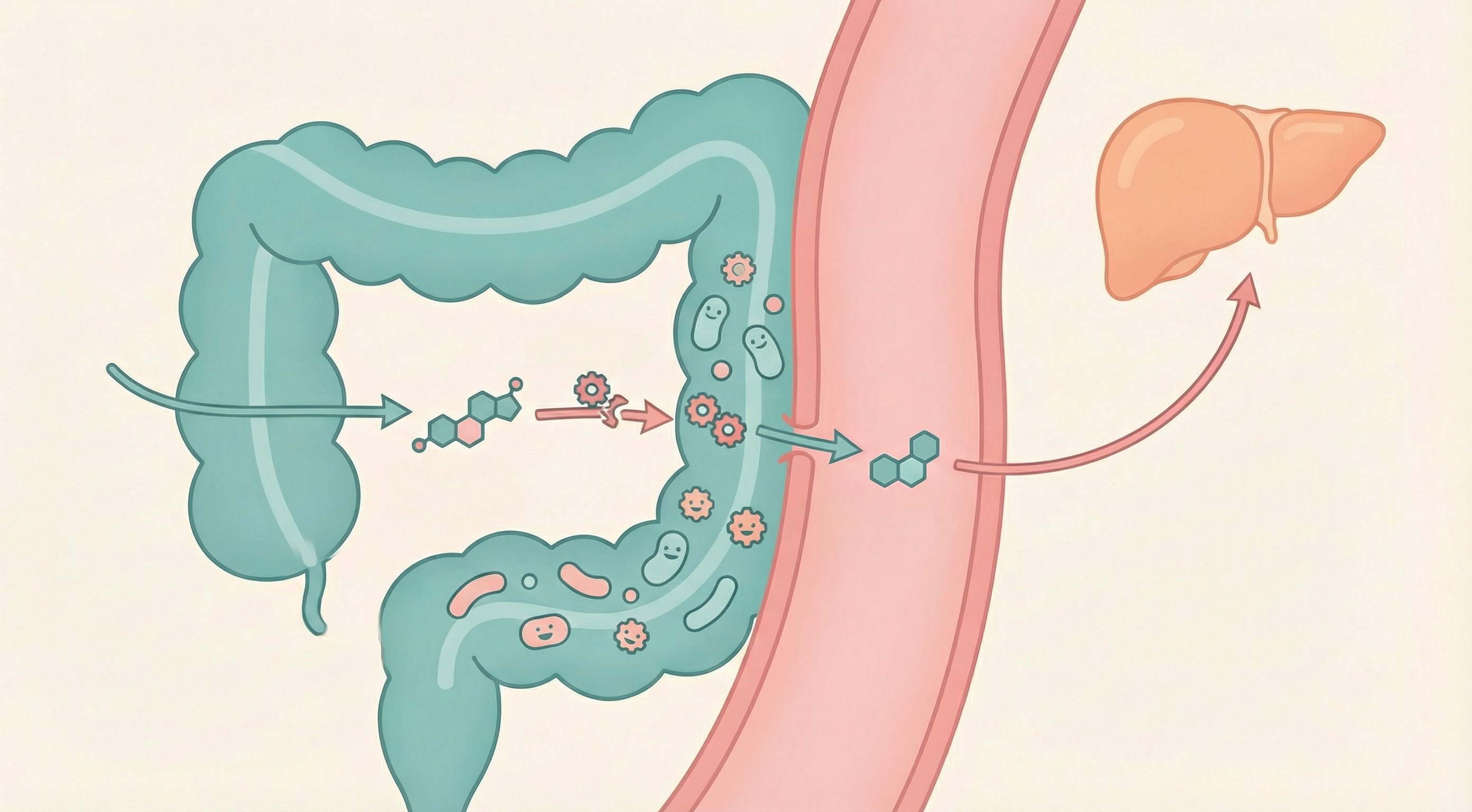
The estrobolome is the collection of gut bacteria that specifically metabolize estrogen compounds. These bacteria produce enzymes—particularly beta-glucuronidase—that determine whether estrogen is excreted from your body or recirculated back into your bloodstream.[1]
A healthy estrobolome maintains the delicate balance of estrogen needed for health, while a disrupted estrobolome can contribute to both estrogen excess and deficiency-related conditions.
The Estrobolome in Action
Normal Estrogen Metabolism
Understanding the pathway helps appreciate the estrobolome's role:[2]
Step 1: Production
- Ovaries, adrenals, and fat tissue produce estrogen
- Different forms: estradiol, estrone, estriol
Step 2: Liver processing
- Liver metabolizes estrogen
- Conjugates it (adds glucuronic acid)
- Makes it water-soluble for excretion
Step 3: Gut excretion
- Conjugated estrogen enters gut via bile
- Destined for excretion in stool
Step 4: Estrobolome intervention
- Bacteria with beta-glucuronidase enzymes can deconjugate estrogen
- Free (unconjugated) estrogen is reabsorbed
- Returns to circulation—enterohepatic recirculation
- Or, estrogen continues to be excreted
Beta-Glucuronidase: The Key Player
This enzyme determines estrogen fate:
What it does:[1]
- Removes the glucuronic acid tag from estrogen
- Frees estrogen for reabsorption
- High activity = more estrogen recirculation
- Balanced activity = appropriate estrogen levels
Which bacteria produce it:
- Over 60 species identified
- Firmicutes (including Clostridium species)
- Bacteroidetes (including Bacteroides species)
- Some Actinobacteria
- Not a simple "good" or "bad" – balance matters
Estrobolome Diversity Matters
Research shows diversity is key:[2]
- Higher diversity = more balanced estrogen metabolism
- Different bacteria have different enzyme activities
- Variety prevents any one pattern from dominating
- Diversity supports metabolic flexibility
When the Estrobolome Is Disrupted
Causes of Disruption
Antibiotics:
- Can dramatically alter estrobolome
- Effects may last months
- Broad-spectrum antibiotics most disruptive
- May shift beta-glucuronidase activity
Diet:
- Low-fiber diets reduce diversity
- Processed foods alter bacterial populations
- High-fat diets may increase certain species
Stress:
- Changes microbiome composition
- May affect estrogen metabolism indirectly
Gut disorders:
- IBD, IBS, and other conditions
- Often involve dysbiosis
- May affect estrobolome function
Consequences of Disruption
High beta-glucuronidase activity:
- More estrogen recirculated
- May contribute to estrogen dominance
- Associated with increased breast cancer risk
- May worsen endometriosis, fibroids
Low activity or dysfunction:
- May contribute to estrogen deficiency symptoms
- Particularly relevant in menopause
- Vaginal dryness, hot flashes
Signs Your Estrobolome May Need Support
Possible indicators:
- History of multiple antibiotic courses
- Chronic gut symptoms
- Estrogen-related conditions (fibroids, endometriosis)
- PMS symptoms
- Difficult menopausal transition
- Breast cancer (personal or family history)
- PCOS
- Weight concentrated in hips/thighs
Dietary Strategies for Estrobolome Health
Support Diversity
Diverse fiber:[3]
- Different types feed different bacteria
- Aim for 30+ plant varieties weekly
- Include vegetables, fruits, legumes, whole grains
- Diversity supports estrobolome diversity
Fermented foods:
- Introduce beneficial bacteria
- Support overall microbiome health
- Multiple types recommended
- Daily consumption ideal
Specific Estrobolome Foods
Lignans:
- Plant compounds with estrogen-modulating effects
- Ground flaxseed (1-2 tbsp daily)
- Sesame seeds
- Whole grains
- Bacteria convert to enterolignans
Cruciferous vegetables:
- Support healthy estrogen metabolism
- DIM and I3C compounds
- May help balance estrobolome effects
- Broccoli, cauliflower, kale, Brussels sprouts
Polyphenol-rich foods:
- Support beneficial bacteria
- Berries, green tea, dark chocolate
- May modulate beta-glucuronidase
Foods to Limit
Processed foods:
- Reduce microbiome diversity
- May promote less favorable species
- Generally disruptive to estrobolome
Excessive alcohol:
- Disrupts microbiome
- Affects liver estrogen processing
- Independent effect on estrogen levels
High-fat, low-fiber patterns:
- May increase certain bacterial populations
- Reduces diversity
- Not supportive of estrobolome balance

Lifestyle Factors
Protect from Disruption
Judicious antibiotic use:
- Take only when truly necessary
- Discuss alternatives with provider
- Support recovery after antibiotics
- Consider probiotics during/after treatment
Reduce xenoestrogen exposure:
- These compounds may affect estrobolome
- Avoid BPA and phthalates
- Choose clean personal care products
- Filter water
Support Overall Gut Health
Address gut issues:
- Treat underlying conditions
- Heal intestinal permeability
- Resolve infections or overgrowths
- Comprehensive gut health supports estrobolome
Stress management:
- Chronic stress affects microbiome
- May indirectly affect estrobolome
- Regular stress reduction practices
Exercise:
- Supports microbiome diversity
- Helps with estrogen metabolism
- Maintains healthy weight
- Regular, moderate activity
Probiotic Considerations
Research on probiotics for estrobolome is emerging:
- Lactobacillus acidophilus: May modulate beta-glucuronidase
- Bifidobacterium species: Support overall gut health
- Multi-strain probiotics: Diversity may be beneficial
- Soil-based organisms: May contribute to diversity
Note: Specific estrobolome-targeted probiotics not yet well-established.
Testing
Consider testing if concerned:
- Comprehensive stool testing: Can measure beta-glucuronidase activity
- Microbiome sequencing: Shows bacterial populations
- Estrogen metabolite testing: DUTCH test shows estrogen metabolism patterns
- Work with knowledgeable provider: Interpret results in context
Building Better Estrobolome Function
Supporting the estrobolome involves:
- Eating diverse fiber to support bacterial diversity
- Including lignans and phytoestrogens from whole foods
- Protecting the microbiome from unnecessary disruption
- Supporting overall gut health with fermented foods
- Reducing xenoestrogen exposure in environment
- Maintaining healthy weight and lifestyle
Estrobolome changes develop over weeks to months with consistent dietary changes. Most people notice improvements in hormonal symptoms within 1-3 menstrual cycles. Long-term estrobolome health requires ongoing attention to gut-supporting lifestyle practices.
Supporting Practices
Evidence-based strategies to support this benefit:
- Consume diverse fiber to support estrobolome diversity
- Include lignans from flaxseed and other plant sources
- Limit antibiotic use which disrupts estrobolome
- Avoid unnecessary hormone disruptors in products
- Maintain healthy body composition
- Support liver health for estrogen processing
Frequently Asked Questions
What is Enhanced Estrobolome Function?
Optimize the specialized gut bacteria that regulate estrogen for better hormonal balance, reproductive health, and reduced disease risk.
How does the microbiome support enhanced estrobolome function?
Your gut microbiome plays a crucial role in enhanced estrobolome function through various mechanisms involving specific beneficial bacteria and their metabolites.
Which microbes are important for enhanced estrobolome function?
Key beneficial microbes include: Lactobacillus acidophilus, Bifidobacterium breve, Ruminococcus species, Clostridium species.
References
- Ervin SM, Li H, Lim L, et al.. Gut microbial β-glucuronidases reactivate estrogens as components of the estrobolome that reactivate estrogens. Journal of Biological Chemistry. 2019;294(49):18586-18599. doi:10.1074/jbc.RA119.010950 ↩
- Flores R, Shi J, Fuhrman B, et al.. Fecal microbial determinants of fecal and systemic estrogens and estrogen metabolites: a cross-sectional study. Journal of Translational Medicine. 2012;10:253. doi:10.1186/1479-5876-10-253 ↩
- Chen KL, Madak-Erdogan Z. Estrogen and Microbiota Crosstalk: Should We Pay Attention?. Trends in Endocrinology and Metabolism. 2016;27(11):752-755. doi:10.1016/j.tem.2016.08.001 ↩