

Candidatus Methanomassiliicoccus intestinalis
Overview
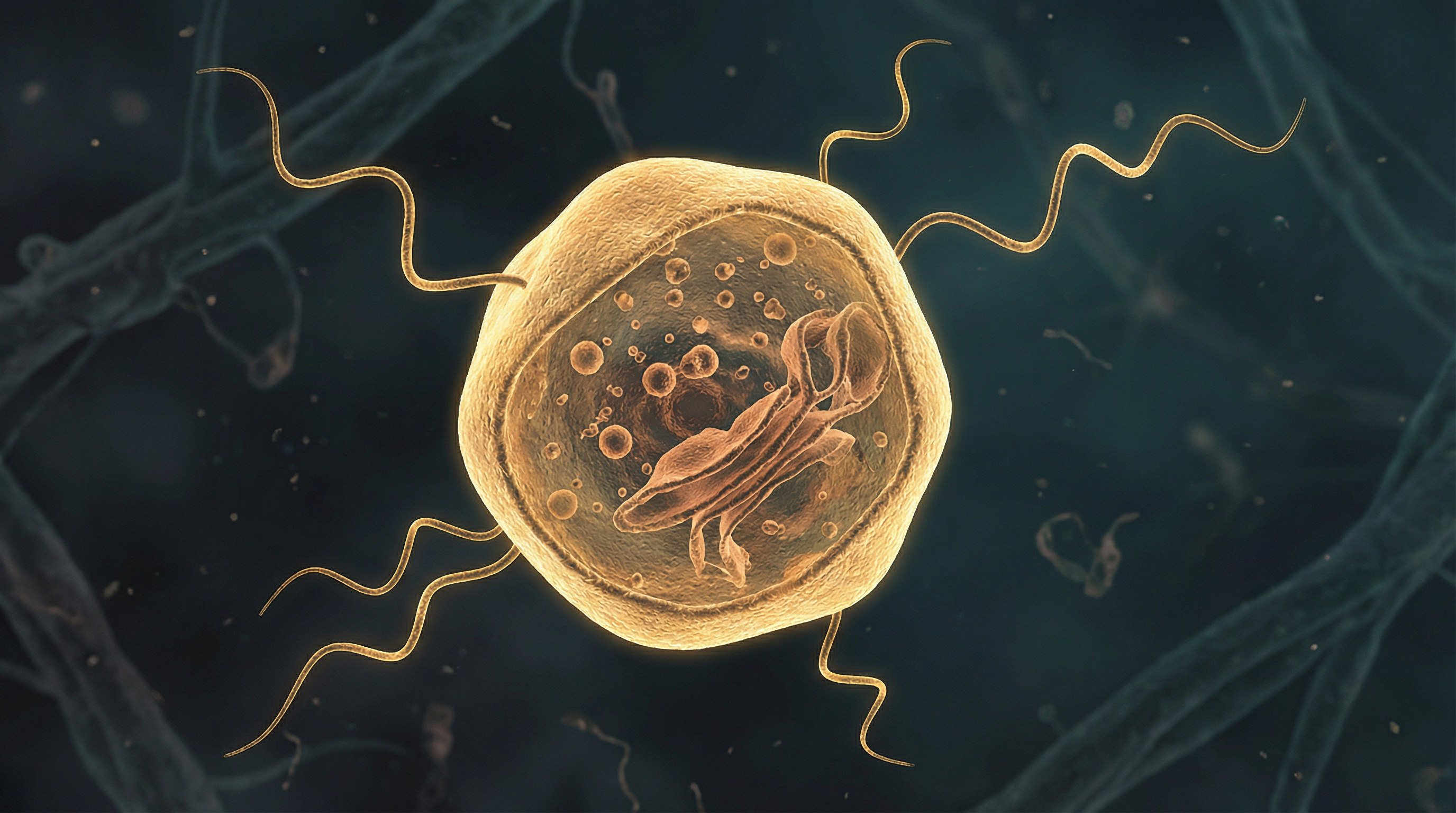
Candidatus Methanomassiliicoccus intestinalis is a methanogenic archaeon belonging to the order Methanomassiliicoccales, a relatively recently described seventh order of methanogens found in the human gut microbiome and various animal digestive tracts. First characterized in 2013, this archaeon represents one of the three main representatives of the Methanomassiliicoccales found in human feces, alongside Methanomassiliicoccus luminyensis and Candidatus Methanomethylophilus alvus. Ca. M. intestinalis has garnered significant scientific interest due to its unique metabolic capabilities, particularly its ability to utilize trimethylamine (TMA) as a substrate for methanogenesis. This metabolic trait has important implications for human health, as TMA is a bacterial metabolite that, when oxidized in the liver, forms trimethylamine-N-oxide (TMAO), a compound associated with cardiovascular disease. Additionally, in individuals with a genetic deficiency in flavin-containing monooxygenase 3 (FMO3), TMA accumulation leads to trimethylaminuria (TMAU), also known as fish odor syndrome. By consuming TMA in the gut before it can be absorbed into the bloodstream, Ca. M. intestinalis may play a beneficial role in human health. The archaeon has a circular genome of approximately 1.93 Mb, which contains genes necessary for methylotrophic methanogenesis from methanol and methylamine compounds. Unlike traditional methanogens, Ca. M. intestinalis lacks the ability to use H₂/CO₂ or acetate for methanogenesis, reflecting its specialized metabolism. Its prevalence in the human gut varies across populations and appears to be influenced by factors such as age, diet, and health status. The potential health benefits associated with Ca. M. intestinalis have led to proposals for its use as an "Archaebiotic" (archaeal probiotic) for conditions like trimethylaminuria and potentially for reducing cardiovascular disease risk, highlighting the emerging recognition of archaea as important components of the human microbiome with direct implications for health.
Characteristics
Candidatus Methanomassiliicoccus intestinalis exhibits several distinctive characteristics that define its biological identity:
Taxonomic classification: Domain Archaea, Phylum Euryarchaeota, Class Thermoplasmata, Order Methanomassiliicoccales
Phylogenetic relationships:
- Closely related to Methanomassiliicoccus luminyensis (98% 16S rRNA gene sequence identity)
- More distantly related to Candidatus Methanomethylophilus alvus (87% 16S rRNA gene sequence identity)
- Part of a large evolutionary branch that includes non-methanogenic archaea such as Thermoplasmatales, Deep Hydrothermal Vent Euryarchaeota-2, and Marine Group-II
Genome features:
- Circular genome of 1,931,561 bp
- G+C content of 41.3% (notably 20% lower than M. luminyensis despite close phylogenetic relationship)
- Contains 46 tRNA genes
- Single copy of the 16S and 23S rRNA genes
- Two non-contiguous copies of 5S rRNA genes distant from the 23S and 16S rRNA genes
- Approximately 1,820 protein-coding sequences
- Contains a CRISPR region with 110 spacers in close association with cas genes
Morphology:
- Coccoid (spherical) cells
- Non-motile
- Cell wall structure typical of archaea, with ether-linked isoprenoid chains
Growth conditions:
- Strictly anaerobic
- Mesophilic, growing optimally at human body temperature (37°C)
- Optimal pH around neutral
- Requires specific growth factors provided by certain bacteria or present in rumen fluid
Metabolic uniqueness:
- Hydrogenotrophic methyl-reducing methanogen
- Utilizes methanol and methylamines (mono-, di-, and trimethylamine) as electron acceptors
- Requires hydrogen as an electron donor
- Cannot use H₂/CO₂, formate, or acetate as energy sources
- Contains one mcr operon (mcrBDGA) and a mcrC gene distantly located from it
- Possesses genes involved in methylotrophic methanogenesis from methanol (mtaABC) and methylamine compounds (mtmBC, mtbBC, and mttBC)
Genetic features:
- Contains genes for pyrrolysine biosynthesis on an 18.7-kb region along with genes involved in methylamine metabolism
- Pyrrolysine is the 22nd amino acid, encoded by the amber stop codon (UAG)
- This rare amino acid is essential for methylamine methyltransferase activity
Cultivation challenges:
- Initially obtained only in highly enriched cultures
- Difficult to isolate in pure culture
- Requires specific growth conditions and medium supplements
Adaptations to gut environment:
- Genomic features suggest adaptation to the human gut environment
- Significantly smaller genome (27% smaller) than its close relative M. luminyensis, suggesting genomic streamlining during adaptation to the gut environment
Environmental distribution:
- Primarily found in human and animal digestive tracts
- Phylogenetically affiliated with sequences retrieved from diverse environments including paddy soils, freshwater, and marine sediments
- This suggests a relatively recent adaptation to gut environments
These characteristics reflect Ca. M. intestinalis's specialized adaptation to the human gut environment. Its restricted metabolism focused on methylotrophic methanogenesis using hydrogen as an electron donor, along with its specific growth requirements, highlight its niche specialization within the gut microbiome. The genomic differences between Ca. M. intestinalis and its close relative M. luminyensis suggest rapid genomic reshuffling in one of the two genomes, which may be due to differential adaptation to the gut environment.
Role in Human Microbiome
Candidatus Methanomassiliicoccus intestinalis occupies a specialized niche within the human microbiome:
Distribution and prevalence:
- Present in human gut microbiome data sets from multiple countries
- Prevalence varies across populations and age groups
- Generally more abundant in older adults
- Forms part of the human-associated clade of Methanomassiliicoccales
Ecological significance:
- Functions as a hydrogenotrophic methyl-reducing methanogen
- Contributes to the removal of hydrogen from the gut ecosystem
- Specifically utilizes methylated compounds, particularly trimethylamine (TMA)
- Helps maintain the redox balance in the gut environment
- May influence the efficiency of bacterial fermentation processes
Population dynamics:
- Distribution appears to be influenced by factors such as age, diet, and health status
- More prevalent in certain dietary patterns
- May be affected by lifestyle changes, as observed in elderly populations
- Forms part of distinct clades that show different correlations with host health status
Microbial interactions:
- Functional links with TMA-producing bacteria
- Abundance may correlate with bacterial gene count for TMA production
- Depends on bacteria that produce methylated compounds as substrates
- May form syntrophic relationships with specific bacterial groups
- Competes with other hydrogen-consuming microorganisms
Host-microbe interface:
- Genomic adaptations for gut colonization
- Potential beneficial interactions through TMA depletion
- Abundance may negatively correlate with fecal TMA concentrations
- May influence host metabolic pathways through removal of bacterial metabolites
Developmental aspects:
- Increased occurrence and diversity among older adults
- Acquisition pathway in humans not fully understood
- May be influenced by early-life exposures and diet
- Persistence patterns across the human lifespan remain to be fully characterized
Geographical and ethnic variations:
- Present in microbiome data sets from multiple countries
- Prevalence may vary with regional dietary patterns
- Influenced by cultural and dietary habits
Habitat specificity:
- Primarily associated with the gut environment
- Part of a clade specifically adapted to host-associated environments
- Genomic features suggest specific adaptation to the intestinal habitat
- Distinguished from soil and sediment-associated Methanomassiliicoccales
Ca. M. intestinalis's role in the human microbiome extends beyond simple colonization. Its specialized metabolism targeting methylated compounds, particularly TMA, suggests it may have important functional contributions to gut ecology and potentially host health. The observed correlations between its abundance, bacterial TMA production capacity, and fecal TMA concentrations indicate a functional interaction with the bacterial community that may have implications for host metabolism. The presence of distinct clades with different correlations to host health status suggests that different strains or species within this group may have varying impacts on the host. As research continues to elucidate the complex interactions within the gut microbiome, Ca. M. intestinalis represents an important example of how archaeal members can have specific and potentially beneficial roles in human health through their metabolic activities.
Health Implications
Candidatus Methanomassiliicoccus intestinalis has several significant implications for human health:
Trimethylamine (TMA) metabolism:
- Consumes TMA as a substrate for methanogenesis
- TMA is a bacterial metabolite produced from dietary compounds like choline, phosphatidylcholine, and L-carnitine
- By depleting TMA in the gut, prevents its absorption into the bloodstream
- This metabolic activity may help reduce TMA levels in the body
Cardiovascular disease prevention:
- TMA is oxidized in the liver to trimethylamine-N-oxide (TMAO)
- TMAO is increasingly recognized as an important factor in cardiovascular disease development
- By reducing TMA levels, may indirectly lower TMAO production
- Potential protective effect against atherosclerosis and related conditions
- Could represent a novel approach to cardiovascular risk reduction
Trimethylaminuria management:
- Trimethylaminuria (fish odor syndrome) affects 0.5-11% of people across different ethnic populations
- Caused by deficiency in liver FMO3 monooxygenase that normally converts TMA to TMAO
- Results in accumulation of TMA, which has a characteristic fishy odor
- By consuming TMA in the gut, may reduce symptoms of this condition
- Proposed as a potential "Archaebiotic" (archaeal probiotic) for trimethylaminuria
Aging-related health:
- More prevalent in older adults
- Different clades show different correlations with health status in elderly populations
- May be affected by lifestyle changes, such as entering long-term residential care
- Potential role in healthy aging through metabolic interactions
Metabolic health:
- Influences gut metabolic environment through hydrogen consumption
- May affect bacterial fermentation patterns
- Potential impact on production of short-chain fatty acids and other metabolites
- Complex interactions with diet and host metabolism
Therapeutic potential:
- Proposed as an "Archaebiotic" for conditions related to TMA/TMAO
- Potential applications in treating or preventing:
- Trimethylaminuria (fish odor syndrome)
- Cardiovascular disease
- Potentially some forms of vaginosis where TMA production occurs
- Alternative approach: genetic engineering of bacteria to express Methanomassiliicoccales genes for TMA reduction
- Potential dietary approaches to modulate its abundance
Advantages over other interventions:
- Converting TMA directly in the gut avoids the major drawbacks of other clinical interventions
- More targeted than antibiotics, which disrupt the entire microbiota
- More sustainable than dietary restrictions of choline, which is an essential nutrient
- Addresses the problem at its source rather than managing symptoms
The health implications of Ca. M. intestinalis are primarily related to its ability to consume TMA, a bacterial metabolite with negative effects on human health either directly (in trimethylaminuria) or indirectly (through conversion to TMAO in cardiovascular disease). This metabolic capability positions Ca. M. intestinalis as a potentially beneficial member of the gut microbiome, particularly in the context of cardiovascular disease and trimethylaminuria. The proposed use of Ca. M. intestinalis as a therapeutic agent represents an innovative approach to microbiome-based interventions for health. However, the complex ecology of the gut microbiome and the variable prevalence of Ca. M. intestinalis across populations suggest that its health effects may be context-dependent and influenced by factors such as diet, age, and overall microbiome composition. Further research is needed to fully understand the conditions under which Ca. M. intestinalis provides optimal health benefits and how its presence might be effectively promoted in therapeutic contexts.
Metabolic Activities
Candidatus Methanomassiliicoccus intestinalis exhibits highly specialized metabolic capabilities that distinguish it from other methanogens:
Core methanogenesis pathway:
- Hydrogenotrophic methyl-reducing methanogen
- Reduces methyl compounds to methane using H₂ as an electron donor
- Primary substrates include methanol, monomethylamine, dimethylamine, and trimethylamine
- Cannot use H₂/CO₂, formate, or acetate as energy sources
- Energy conservation through this pathway coupled to ATP synthesis
Unique metabolic architecture:
- Lacks the methyl branch of the Wood-Ljungdahl pathway
- This absence is characteristic of all Methanomassiliicoccales
- Distinguishes it from other orders of methanogens
- Reflects evolutionary adaptation to a specialized metabolic niche
- Relies on alternative pathways for certain biosynthetic functions
Trimethylamine utilization:
- Contains genes needed for methylotrophic methanogenesis from trimethylamine
- Encodes specific methyltransferases for TMA utilization (mttBC)
- These genes are located on an 18.7-kb region along with genes for pyrrolysine biosynthesis
- Methyltransferase genes contain amber codons that encode pyrrolysine
- Pyrrolysine is essential for methylamine methyltransferase activity
Methanol utilization:
- Contains genes for methanol utilization (mtaABC)
- These genes encode the methanol:coenzyme M methyltransferase system
- Allows the organism to use methanol as an alternative substrate to methylamines
Pyrrolysine system:
- Contains a complete pyl gene cluster for pyrrolysine biosynthesis
- Encodes tRNAPyl with a CUA anticodon for amber codon recognition
- This system is essential for the metabolism of methylamines
- Represents a specialized adaptation for this metabolic niche
Energy conservation:
- Contains one mcr operon (mcrBDGA) and a mcrC gene distantly located from it
- These genes encode the methyl-coenzyme M reductase complex
- This enzyme catalyzes the terminal step in methanogenesis
- The organization of these genes differs from that in other methanogens
Hydrogen dependency:
- Absolute requirement for hydrogen as an electron donor
- Competes with other hydrogen-consuming microorganisms
- Hydrogen threshold likely influences its ecological distribution
- Contributes to hydrogen removal from the gut environment
- May influence bacterial fermentation through hydrogen consumption
Growth requirements:
- Requires unknown medium factors provided by certain bacteria
- These requirements reflect its adaptation to the gut environment
- May indicate metabolic dependencies on other microorganisms
- Suggests potential syntrophic relationships in vivo
Adaptations to gut environment:
- Metabolic specialization allows exploitation of a specific niche
- Utilizes methylated compounds produced by bacterial fermentation
- Genomic adaptations for gut colonization complement metabolic specialization
- Smaller genome compared to its close relative M. luminyensis suggests streamlining during adaptation to the gut environment
The metabolic activities of Ca. M. intestinalis reflect its specialized adaptation to the human gut ecosystem. Its restricted metabolism, focused exclusively on the reduction of methyl compounds with hydrogen, allows it to exploit a specific metabolic niche while avoiding competition with more versatile methanogens. The ability to utilize trimethylamine is particularly significant from a human health perspective, as this metabolic activity may help reduce levels of a compound that contributes to trimethylaminuria and, when processed by the host, cardiovascular disease risk. The presence of the pyrrolysine biosynthesis pathway further highlights the distinctive metabolic features of this archaeon. These metabolic specializations likely contribute to its ecological distribution and abundance patterns in the human gut, as well as its potential health effects through the modulation of gut metabolites.
Clinical Relevance
Candidatus Methanomassiliicoccus intestinalis has several aspects of clinical significance:
Cardiovascular disease prevention:
- Reduces trimethylamine (TMA), a precursor to trimethylamine-N-oxide (TMAO)
- TMAO is an established risk factor for atherosclerosis and cardiovascular disease
- By reducing TMA levels, may indirectly lower TMAO production
- Potential biomarker for reduced cardiovascular risk
- Could represent a novel target for cardiovascular disease prevention strategies
Trimethylaminuria treatment:
- Trimethylaminuria (fish odor syndrome) affects 0.5-11% of people across different ethnic populations
- Results from deficiency in liver FMO3 monooxygenase that normally converts TMA to TMAO
- By consuming TMA in the gut, may reduce symptoms of this condition
- Proposed as a potential "Archaebiotic" (archaeal probiotic) for trimethylaminuria
- Could offer a novel approach to a condition with limited treatment options
Diagnostic considerations:
- Detection methods include PCR-based molecular techniques targeting 16S rRNA genes
- Metagenomic sequencing can identify and quantify its presence
- Not routinely included in standard microbiome testing panels
- Specialized assays required for detection
- Potential biomarker for gut microbiome health in certain contexts
Therapeutic development:
- Proposed as an "Archaebiotic" for conditions related to TMA/TMAO
- Challenges in cultivation may limit direct probiotic applications
- Alternative approach: genetic engineering of bacteria to express Methanomassiliicoccales genes
- Potential dietary approaches to modulate its abundance
- Could complement existing approaches to cardiovascular disease management
Advantages over current treatments:
- For trimethylaminuria:
- Current treatments include dietary restrictions and antibiotics
- Ca. M. intestinalis could provide a more targeted approach
- Addresses the problem at its source rather than managing symptoms
- Potentially fewer side effects than antibiotics
- For cardiovascular disease:
- Could complement existing preventive strategies
- Addresses a novel pathway in cardiovascular disease pathogenesis
- Potential for personalized approaches based on microbiome composition
- For trimethylaminuria:
Challenges in clinical applications:
- Difficult to cultivate in pure culture
- Variable prevalence across populations
- Complex interactions with diet and other microbiome members
- Need for delivery systems that ensure viability in the gut
- Regulatory challenges for novel archaeal probiotics
Research needs:
- Clinical trials to establish efficacy and safety
- Development of reliable cultivation methods
- Identification of factors that promote colonization
- Understanding of long-term effects on the microbiome
- Determination of optimal dosing and administration routes
The clinical relevance of Ca. M. intestinalis stems primarily from its ability to consume TMA, a bacterial metabolite with negative effects on human health either directly (in trimethylaminuria) or indirectly (through conversion to TMAO in cardiovascular disease). This metabolic capability positions it as a potentially beneficial member of the gut microbiome with therapeutic applications. The proposed use of Ca. M. intestinalis as an "Archaebiotic" represents an innovative approach to microbiome-based interventions for health. However, the complex ecology of the gut microbiome and the variable prevalence of Ca. M. intestinalis across populations suggest that its clinical applications may require personalized approaches that consider individual microbiome composition, diet, and health status. The challenges in cultivation and standardization remain to be addressed before Ca. M. intestinalis can be effectively used in clinical settings, but the potential benefits make it a promising target for future therapeutic development.
Interactions with Other Microorganisms
Candidatus Methanomassiliicoccus intestinalis engages in complex interactions with other members of the human microbiome:
Functional links with TMA-producing bacteria:
- Utilizes TMA produced by bacterial fermentation of dietary compounds
- Key bacterial TMA sources include choline and carnitine metabolism
- Bacterial genera involved include Clostridium, Escherichia, and others
- These interactions create a metabolic network where bacterial production of TMA is balanced by archaeal consumption
- This relationship could have important implications for host health
Dependence on bacterial partners:
- Requires unknown medium factors provided by certain bacteria
- These requirements reflect potential syntrophic relationships
- May depend on specific bacterial species for optimal growth in vivo
- Suggests co-evolution with certain bacterial groups
- Highlights the interconnected nature of the gut ecosystem
Hydrogen economy interactions:
- Competes with other hydrogen-consuming microorganisms
- Alternative hydrogen consumers include acetogenic bacteria and sulfate-reducing bacteria
- Competition for hydrogen may influence community structure
- Hydrogen utilization affects the thermodynamics of bacterial fermentation
- May indirectly influence bacterial metabolism through hydrogen removal
Impact on bacterial metabolism:
- Consumption of hydrogen can shift bacterial fermentation toward more oxidized end products
- May enhance the efficiency of bacterial energy harvest
- Could influence the production of short-chain fatty acids
- Potential effects on bacterial gene expression and metabolic regulation
- These interactions contribute to overall ecosystem function
Co-occurrence patterns:
- May co-occur with specific bacterial taxa
- These patterns could reflect complementary metabolic capabilities
- Understanding these patterns helps elucidate community assembly rules
- May indicate metabolic networks or functional guilds within the microbiome
- Could inform strategies to promote beneficial community structures
Ecological distribution:
- Part of the human-associated clade of Methanomassiliicoccales
- Primarily found in gut environments across various animal species
- Distinct from soil and sediment-associated Methanomassiliicoccales
- Suggests specialized adaptation to the gut environment
- May occupy different microenvironments within the gut ecosystem
Relationship with other archaea:
- Distinct ecological niche from other gut methanogens like Methanobrevibacter smithii
- Different substrate utilization patterns compared to other archaeal species
- May compete or coexist with other archaea depending on available substrates
- Part of the broader archaeal component of the gut microbiome
- Contributes to archaeal diversity in this environment
Adaptation to specific host factors:
- Genomic adaptations for gut colonization
- These adaptations may influence interactions with other microorganisms
- Potential influence of host genetics, diet, and immune status on these interactions
- Temporal dynamics could vary in response to changing conditions
- These adaptations contribute to the complexity of the gut microbiome
The interactions between Ca. M. intestinalis and other microorganisms in the human gut represent a fascinating aspect of microbiome ecology. The functional links with TMA-producing bacteria are particularly significant, suggesting a potential metabolic network where bacterial production of TMA is balanced by archaeal consumption. This relationship could have important implications for host health, particularly in the context of TMA-related conditions. The dependence of Ca. M. intestinalis on growth factors provided by specific bacteria highlights the interconnected nature of the gut ecosystem, where archaeal metabolism is intimately linked to bacterial activities. These interactions contribute to the overall function of the microbiome and may have important implications for host health, particularly in the context of metabolic conditions where gut microbiome composition plays a role. Understanding these complex ecological relationships is essential for developing effective microbiome-based interventions that consider the full diversity of microorganisms present in the gut, including both bacterial and archaeal components.
Research Significance
Candidatus Methanomassiliicoccus intestinalis has substantial significance across multiple research domains:
Archaeal biology and evolution:
- Represents a recently described order of methanogens (Methanomassiliicoccales)
- Provides insights into archaeal adaptation to the mammalian gut environment
- Illustrates specialized metabolic evolution with restricted energy metabolism
- Demonstrates how archaea can occupy specific niches within complex microbial communities
- Contributes to understanding the evolutionary history of host-associated archaea
Microbiome science:
- Highlights the importance of considering archaea in human microbiome studies
- Demonstrates functional interactions between archaeal and bacterial components
- Provides evidence for niche specialization among human gut methanogens
- Contributes to understanding the "hydrogen economy" of the gut ecosystem
- Illustrates how less abundant members can have significant functional impacts
Metabolic research:
- Exemplifies specialized metabolism (methyl compound reduction with hydrogen)
- Illustrates the importance of methylated compounds in gut metabolism
- Provides a model for studying hydrogen utilization in the gut
- Contributes to understanding methanogenesis in human-associated environments
- May inform research on microbial contributions to host metabolism
Cardiovascular disease research:
- Connects gut microbiome function to cardiovascular health
- Provides a potential mechanism for reducing TMAO, a cardiovascular risk factor
- Suggests novel approaches to cardiovascular disease prevention
- Contributes to understanding the gut-heart axis
- May inform development of microbiome-based interventions for heart health
Rare disease research:
- Potential applications in trimethylaminuria (fish odor syndrome)
- Provides a novel approach to a condition with limited treatment options
- Illustrates how understanding microbial metabolism can lead to therapeutic insights
- May serve as a model for other microbiome-based interventions for rare diseases
- Highlights the potential of targeted microbiome manipulation
Probiotic development:
- Proposed as an "Archaebiotic" for conditions related to TMA/TMAO
- Represents a novel approach to probiotic development focusing on archaea
- Challenges in cultivation driving innovative approaches
- Alternative: genetic engineering of bacteria to express Methanomassiliicoccales genes
- May lead to new therapeutic modalities for microbiome modulation
Methodological advances:
- Drives development of techniques for studying archaea in complex microbiomes
- Encourages inclusion of archaeal-specific methods in microbiome analysis
- Highlights the importance of multi-omics approaches in microbiome research
- Advances in studying Ca. M. intestinalis have broader applications in archaeal biology
- Contributes to improved cultivation methods for fastidious microorganisms
Genomic insights:
- Comparative genomics with related species reveals adaptation mechanisms
- Significantly smaller genome (27% smaller) than its close relative M. luminyensis
- Lower G+C content (20% lower) despite close phylogenetic relationship
- These differences suggest rapid genomic reshuffling during adaptation to the gut environment
- Provides a model for studying genome evolution during host adaptation
Therapeutic potential:
- Novel approach to conditions related to TMA/TMAO
- Potential applications in personalized medicine based on microbiome composition
- May inform dietary interventions to promote beneficial microbiome functions
- Could lead to development of synthetic biology approaches for gut health
- Represents a shift toward function-based rather than taxonomy-based microbiome interventions
The research significance of Ca. M. intestinalis extends far beyond its specific role in the human gut, touching on fundamental questions in microbiology, metabolism, and human health. As one of the key archaeal species in the human gut microbiome, it serves as an important model organism for understanding the contributions of this often-overlooked domain of life to human health and disease. The discovery of its TMA-utilizing capabilities and the potential health implications of this metabolic activity represent major advances in our understanding of microbiome-host interactions. The genomic insights gained from studying Ca. M. intestinalis, particularly in comparison with its close relative M. luminyensis, provide valuable information about the processes of adaptation to the gut environment. Continued research on this organism promises to yield insights with broad applications in both basic science and clinical medicine, particularly in the context of cardiovascular health and rare metabolic disorders where its unique properties may offer new therapeutic opportunities.