

Corynebacterium jeikeium
Corynebacterium jeikeium is a Gram-positive, aerobic, non-spore-forming, rod-shaped bacterium that is part of the normal human skin microbiota. Originally designated as "group JK corynebacteria" by the Centers for Disease Control and Prevention, it was later taxonomically classified as C. jeikeium. This bacterium has gained significant clinical importance due to its multidrug resistance profile and its emergence as a serious nosocomial pathogen.
Key Characteristics
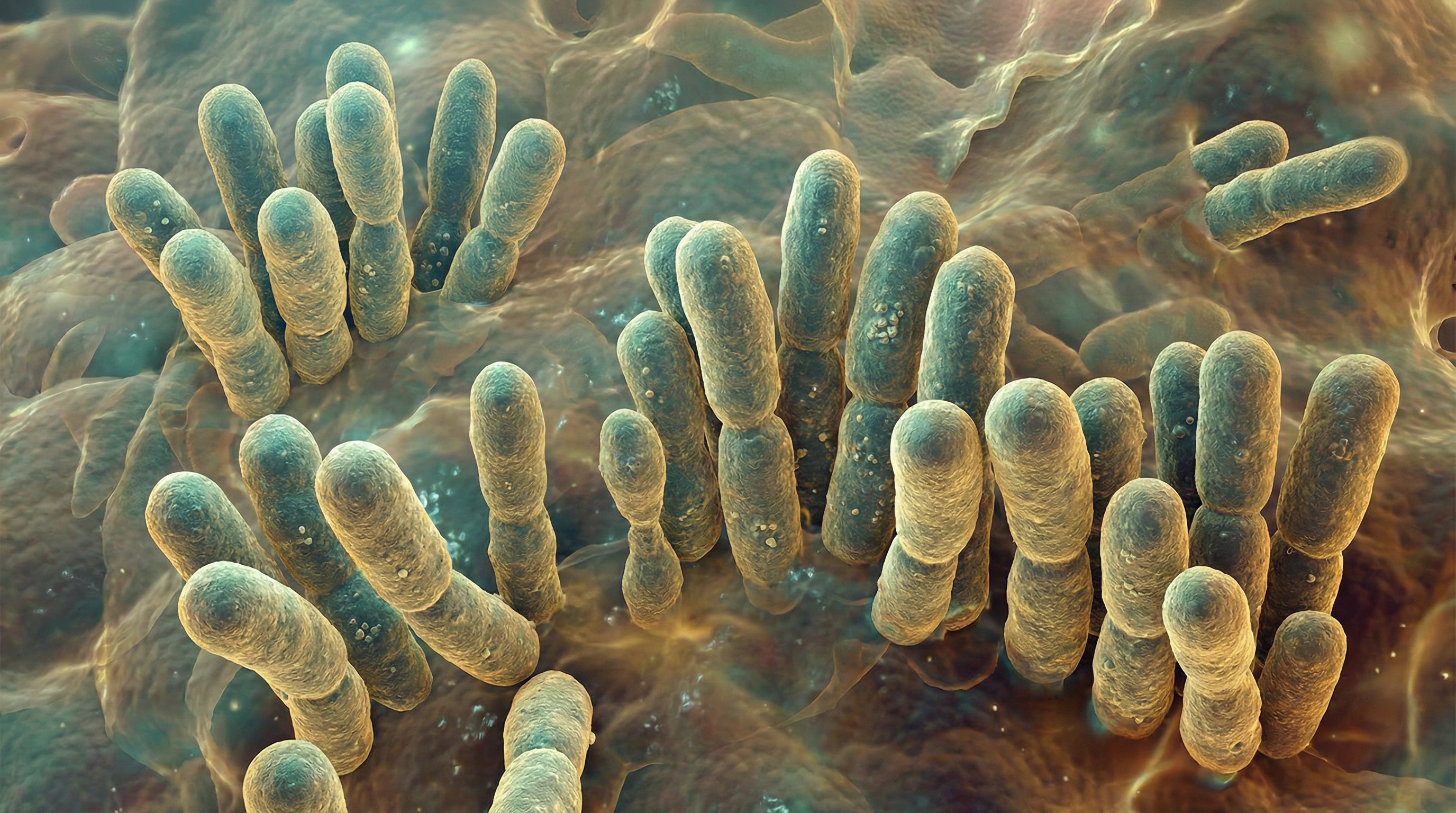
C. jeikeium is characterized by its "lipophilic" phenotype, which reflects its strict dependence on exogenous fatty acids for growth. This lipid auxotrophy is due to the absence of fatty acid synthase genes in its genome. The bacterium appears as pleomorphic rods with a tendency to form V or L shapes in microscopic examination. It is non-motile, catalase-positive, and urease-negative.
When cultured, C. jeikeium requires media supplemented with lipids (such as Tween 80) for optimal growth. It produces small, whitish colonies after 48-72 hours of incubation. The bacterium can be identified through biochemical tests, MALDI-TOF mass spectrometry, or molecular methods targeting specific gene sequences.
Role in the Human Microbiome
C. jeikeium primarily colonizes moist areas of the human skin, particularly the axillary, inguinal, and perineal regions. It is more commonly found in hospitalized patients than in the general population. Within its ecological niche, C. jeikeium contributes to the skin's defensive barrier by producing bacteriocin-like compounds that inhibit the growth of competing pathogenic bacteria.
The bacterium participates in the metabolism of skin lipids, which can lead to the production of volatile odorous compounds, contributing to body odor in some individuals. Its presence in the skin microbiome is generally harmless in healthy individuals with intact immune systems.
Health Implications
Beneficial Effects
- Produces antimicrobial compounds that help protect the skin from colonization by more pathogenic bacteria
- Contributes to the competitive exclusion of potential pathogens in its ecological niche
- May play a role in training the immune system to recognize and respond to Gram-positive bacteria
Detrimental Effects
C. jeikeium can transform from a commensal organism to an opportunistic pathogen under certain conditions:
- In immunocompromised patients (particularly those with hematological malignancies, HIV/AIDS, or transplant recipients)
- Following invasive medical procedures or placement of indwelling devices
- After prolonged broad-spectrum antibiotic therapy that disrupts the normal microbiota
- When skin barriers are compromised (burns, wounds, surgical incisions)
As a pathogen, C. jeikeium can cause serious infections including:
- Bacteremia and sepsis
- Endocarditis (particularly prosthetic valve endocarditis)
- Catheter-related bloodstream infections
- Surgical site infections
- Prosthetic joint infections
- Meningitis
- Pneumonia
These infections are particularly concerning due to the bacterium's extensive antibiotic resistance profile, which limits treatment options.
Metabolic Activities
C. jeikeium has a distinctive metabolism characterized by:
- Obligate dependency on exogenous fatty acids due to the absence of fatty acid synthase
- Ability to metabolize various lipids found on human skin
- Production of lipases that can damage host tissues, potentially facilitating invasion
- Generation of volatile odorous metabolites from skin lipids, contributing to body odor
- Limited carbohydrate fermentation capabilities
- Aerobic respiration as the primary energy-generating pathway
The bacterium's genome encodes multiple transport systems for acquiring essential nutrients from its environment, reflecting its adaptation to the nutrient-limited conditions of the skin surface.
Clinical Relevance
The clinical significance of C. jeikeium stems primarily from its multidrug resistance profile. Most isolates are resistant to:
- β-lactam antibiotics (penicillins, cephalosporins)
- Aminoglycosides
- Macrolides
- Tetracyclines
- Fluoroquinolones
- Rifampin
This extensive resistance is chromosomally encoded rather than plasmid-mediated and involves multiple mechanisms including:
- Altered cell wall permeability
- Expression of efflux pumps
- Modification of antibiotic targets
- Production of inactivating enzymes
Glycopeptides (vancomycin, teicoplanin) remain the most reliable treatment options, though resistance to these agents has been reported in some isolates. Newer antibiotics like linezolid, daptomycin, and tigecycline show variable activity against C. jeikeium.
Diagnosis of C. jeikeium infections requires specialized culture techniques due to its lipid requirements. Treatment typically involves a combination of appropriate antibiotics (based on susceptibility testing) and removal of infected foreign bodies when present.
Interaction with Other Microorganisms
C. jeikeium participates in complex ecological relationships within the skin microbiome:
- Competes with other skin commensals like Staphylococcus epidermidis for nutrients and space
- Produces bacteriocin-like substances that inhibit the growth of certain bacteria
- May form mixed-species biofilms on medical devices with other nosocomial pathogens
- Interacts with the host immune system, typically maintaining a balance that prevents inflammation in healthy individuals
The bacterium's ability to form biofilms contributes to its persistence in hospital environments and on medical devices, enhancing its potential as a nosocomial pathogen.
Research into antimicrobial peptides derived from natural sources (such as frog skin) has identified potential new therapeutic agents that show activity against C. jeikeium, including multidrug-resistant strains, offering hope for alternative treatment approaches in the future.