

Cutibacterium avidum
Cutibacterium avidum (formerly known as Propionibacterium avidum) is a Gram-positive, anaerobic-aerotolerant rod that is part of the normal human skin microbiota. Following a recent taxonomic revision, it was reclassified from the genus Propionibacterium to the new genus Cutibacterium, along with other skin-associated species like C. acnes and C. granulosum. While often considered a commensal organism, C. avidum has emerged as an underrecognized opportunistic pathogen, particularly in the context of surgical site infections and device-related infections.
Key Characteristics
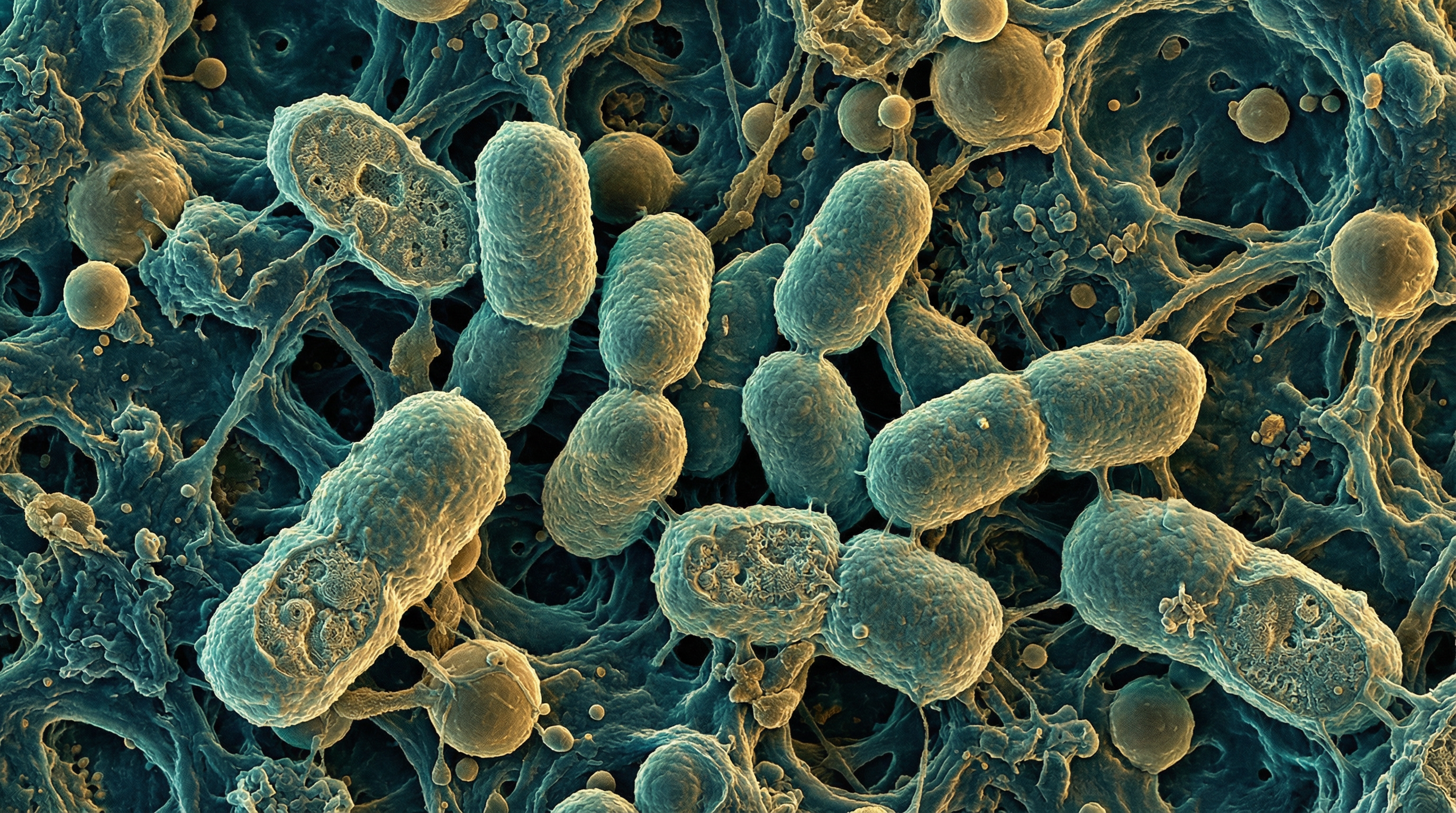
C. avidum is characterized by its pleomorphic rod-shaped morphology and its ability to grow in both anaerobic and microaerophilic conditions. It is catalase-positive and produces propionic acid during fermentation, a characteristic that originally placed it in the Propionibacterium genus. Unlike its close relative C. acnes, which prefers sebaceous gland-rich areas, C. avidum has a specific tropism for moist areas of the skin, particularly the axillary and inguinal regions.
When cultured, C. avidum typically forms small, white to cream-colored colonies after 48-72 hours of incubation on blood agar. It can be distinguished from other Cutibacterium species by its ability to ferment certain sugars, including sucrose and maltose, and its inability to reduce nitrates. Modern identification methods include MALDI-TOF mass spectrometry and 16S rRNA gene sequencing, which have improved the accuracy of identification in clinical settings.
The genome of C. avidum contains specific regions involved in adherence, biofilm formation, and various fitness, survival, and defense functions. Genomic analyses have revealed the presence of prophage regions and evidence of horizontal gene transfer, contributing to the species' genetic diversity and potential virulence.
Role in the Human Microbiome
C. avidum primarily colonizes moist areas of the human skin, with a particular affinity for regions rich in sweat glands such as the axilla (armpit) and groin. Its ecological niche is distinctly different from other Cutibacterium species, which typically prefer drier areas or sebaceous gland-rich regions. The prevalence of C. avidum increases during puberty, suggesting a relationship with hormonal changes and increased sweat gland activity.
Within its ecological niche, C. avidum interacts with other skin commensals and contributes to the overall microbial diversity of the skin microbiome. Studies have shown that obesity is associated with increased colonization of C. avidum in the groin area, potentially due to increased moisture and skin folds that create favorable conditions for its growth.
Health Implications
Beneficial Effects
Historically, C. avidum has been studied for its potential immunomodulatory properties:
- Used as an adjuvant in antitumor therapies in the 1970s
- Demonstrated ability to stimulate various cell subset populations involved in nonspecific antibacterial, antiviral, or antitumor responses
- Shown to interact with reticuloendothelial cell systems and various lymphocyte subpopulations
These immunomodulatory effects suggest that under normal circumstances, C. avidum may contribute to skin immune homeostasis and defense against more pathogenic microorganisms.
Detrimental Effects
Despite its potential beneficial roles, C. avidum has emerged as an opportunistic pathogen capable of causing various infections:
- Periprosthetic joint infections (PJIs), particularly following hip arthroplasty
- Breast infections, especially following breast surgery or implantation
- Skin and soft tissue abscesses
- Infective endocarditis
- Device-related infections
- Abdominal infections
- Splenic abscesses
C. avidum has gained particular attention as an emerging pathogen in periprosthetic joint infections. Research has shown that it can resist standard surgical skin antisepsis in the groin area, potentially contaminating the surgical site during hip arthroplasty procedures. This resistance to antisepsis, combined with its ability to form biofilms on implanted devices, makes it a significant concern in orthopedic surgery.
Metabolic Activities
C. avidum possesses several metabolic capabilities that contribute to its survival and potential pathogenicity:
- Fermentation of carbohydrates to produce propionic acid and other short-chain fatty acids
- Production of lipases that may contribute to tissue invasion and nutrient acquisition
- Synthesis of exopolysaccharides that contribute to biofilm formation
- Expression of adhesins that facilitate attachment to host tissues and implanted devices
- Production of enzymes that may contribute to tissue damage and invasion
The metabolic versatility of C. avidum allows it to thrive in the nutrient-limited environment of the skin and adapt to various conditions, including the presence of antimicrobial agents and the host immune response.
Clinical Relevance
The clinical significance of C. avidum has been increasingly recognized in recent years, particularly in the context of surgical site infections. Several factors contribute to its emergence as a pathogen:
- Resistance to standard skin antisepsis protocols, particularly in moist areas like the groin
- Ability to form biofilms on implanted devices, protecting it from antibiotics and host immune responses
- Association with obesity, which is a risk factor for colonization and subsequent infection
- Increasing use of implanted devices in an aging population
- Improved detection methods that have enhanced recognition of this previously underdiagnosed pathogen
Diagnosis of C. avidum infections can be challenging due to its slow growth and the potential for misidentification as a contaminant. Treatment typically involves a combination of surgical debridement and prolonged antibiotic therapy. C. avidum remains generally susceptible to a broad spectrum of antibiotics, including β-lactams, fluoroquinolones, macrolides, and rifampin, although erythromycin and clindamycin resistance has been reported in some isolates.
Prevention strategies focus on improved skin antisepsis protocols, particularly for surgeries in areas with high C. avidum colonization, and consideration of patient risk factors such as obesity.
Interaction with Other Microorganisms
C. avidum interacts with other members of the skin microbiome in several ways:
- Competition for nutrients and attachment sites with other skin commensals
- Potential synergistic relationships with other biofilm-forming bacteria in polymicrobial infections
- Horizontal gene transfer with other bacteria, as evidenced by genomic analyses
- Production of bacteriocin-like compounds that may inhibit the growth of competing bacteria
These interactions contribute to the ecological balance of the skin microbiome and may influence the transition from commensal to pathogen under certain conditions.
Research into the genomics and pathogenesis of C. avidum continues to evolve, with recent studies focusing on its virulence factors, biofilm formation capabilities, and resistance to antiseptic agents. As our understanding of this underrecognized microorganism improves, so too will our ability to prevent and treat the infections it causes.