

Methanobrevibacter smithii
Overview
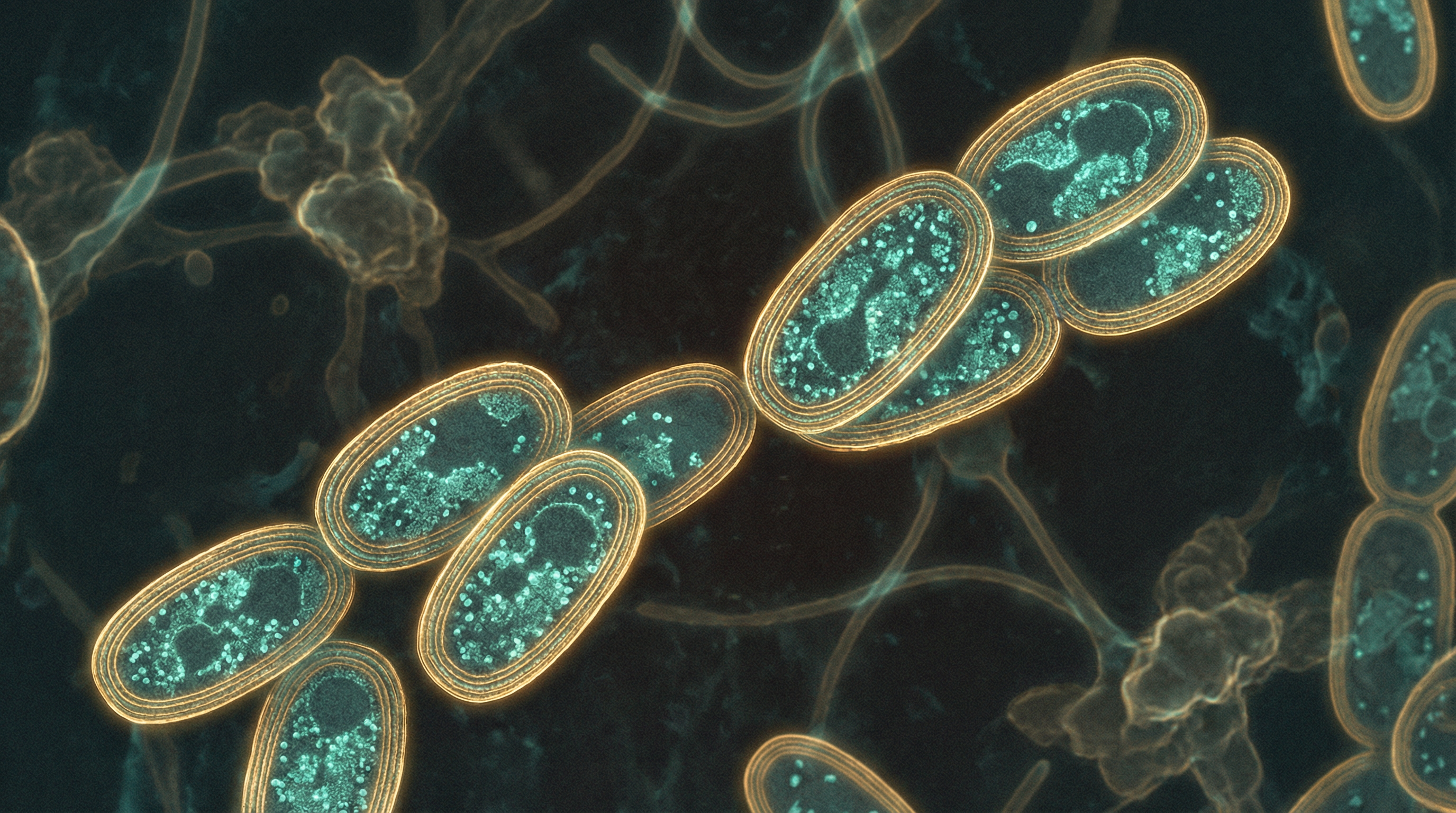
Methanobrevibacter smithii is the predominant methanogenic archaeon in the human gut microbiome, detected in >90% of adults and comprising up to 10% of all anaerobes and up to 94% of total methanogen population in the colons of healthy individuals. Unlike bacteria, M. smithii belongs to the domain Archaea, representing a distinct branch of microbial life with unique cellular and biochemical characteristics. This microorganism has a coccobacillus shape and thrives in the anaerobic environment of the distal intestine, particularly in the colon and rectum where it benefits from optimal pH conditions (6.5-7) and slow transit time.
M. smithii plays a crucial ecological role in the gut through hydrogenotrophic methanogenesis (4H₂ + CO₂ → CH₄ + 2H₂O), functioning as the most efficient hydrogen scavenger in the gut with an extremely low H₂ utilization threshold of just 10 Pa. This process prevents hydrogen accumulation, which would otherwise inhibit bacterial fermentation by blocking NADH dehydrogenases and reducing ATP yield. Recent research (2025) has redefined M. smithii from a passive hydrogen scavenger to a dynamic metabolic architect that actively modulates microbial interactions, SCFA production, and host energy harvest.
Through interspecies hydrogen transfer, M. smithii significantly influences energy extraction from food, with high methane producers demonstrating greater metabolizable energy on high-fiber diets. The archaeon establishes sophisticated syntrophic relationships with numerous bacterial species including Bacteroides thetaiotaomicron, Christensenella species, and Anaerobutyricum rhamnosivorans, forming interspecies aggregates for rapid hydrogen and metabolite exchange. Recent mechanistic studies have linked M. smithii to colorectal cancer through trophic control of cancer-associated bacteria like Fusobacterium nucleatum, representing the first mechanistic connection between the human gut archaeome and CRC.
Characteristics
Methanobrevibacter smithii exhibits several distinctive characteristics that define its biological identity:
- Taxonomic classification: Domain Archaea, Phylum Methanobacteriota, Class Methanobacteria, Order Methanobacteriales, Family Methanobacteriaceae, Genus Methanobrevibacter
- Morphology: Coccobacillus shape (spherical to rod-shaped cells), often appearing as single cells, pairs, or short chains
- Cell size: Typically 0.5-1.0 μm in diameter
- Cell wall structure: Contains pseudopeptidoglycan (pseudomurein) rather than peptidoglycan found in bacteria, making it resistant to lysozyme and many antibiotics that target bacterial cell wall synthesis
- Cell membrane: Composed of lipid bilayer or monolayer with isoprene units linked to glycerol by ether bonds (unlike bacterial fatty acids linked by ester bonds), making it susceptible to statins
- Genome size: Approximately 1.85 million base pairs (Mbp)
- Oxygen requirements: Strictly anaerobic, requiring an oxygen-free environment for growth and survival
- Temperature preference: Mesophilic, growing optimally at human body temperature (37°C)
- pH preference: Grows optimally at pH 6.5-7, which aligns with conditions in the human colon
- Motility: Non-motile
- Spore formation: Non-spore forming
- Genetic diversity: Exhibits considerable strain diversity with at least 15 genotypes identified, reflecting adaptation to different host environments
- Surface structures: Produces surface glycans resembling those found in the gut mucosa, which may help evade host immune detection
- Adhesins: Possesses adhesin-like proteins that likely facilitate attachment to gut surfaces and other microorganisms
- Cell variants: Exists in both small and large cell variants, with the latter associated with inflammatory responses when translocated with bacteria
M. smithii is distinguished from bacteria not only by its archaeal cell wall and membrane composition but also by its unique metabolic capabilities, particularly its methanogenesis pathway. The archaeon lacks glycoside hydrolases and carbohydrate esterases that are common in gut bacteria, reflecting its specialized niche as a consumer of bacterial fermentation products rather than a primary degrader of complex dietary components. Its ability to persist in the human gut from early life (transmitted through breast milk) to adulthood demonstrates its successful adaptation to this competitive ecological niche.
Role in Human Microbiome
Methanobrevibacter smithii occupies a specialized and significant niche within the human microbiome:
Prevalence and abundance:
- Present in up to 95% of human adults
- Comprises up to 10% of all anaerobes in the colons of healthy individuals
- The most abundant archaeon in the human gut microbiome
- Population density varies considerably between individuals
Anatomical distribution:
- Primarily colonizes the colon and rectum
- Favors these locations due to anaerobic conditions, optimal pH (6.5-7), and slow transit time
- Also detected in dental plaque and occasionally in the vagina (associated with vaginosis)
Developmental trajectory:
- Acquisition begins in early life, with breast milk serving as a major route of transmission to newborns
- Colonization increases throughout childhood and stabilizes in adulthood
- Remains a persistent member of the gut microbiome throughout life
Ecological function:
- Serves as a primary hydrogenotroph in the gut ecosystem
- Removes hydrogen produced during bacterial fermentation, preventing inhibitory feedback on bacterial metabolism
- Enables more complete fermentation of dietary components by preventing hydrogen accumulation
- Influences the metabolic activities of other gut microorganisms, particularly fermentative bacteria
Metabolic interactions:
- Forms syntrophic relationships with hydrogen-producing bacteria
- Alters the metabolic pathways of bacteria like Bacteroides thetaiotaomicron in co-colonization studies
- Increases acetate production by bacterial partners, which can be utilized for biosynthesis
- Competes with other hydrogen-consuming microorganisms such as acetogenic bacteria and sulfate-reducing bacteria
Microbial networks:
- Centers metabolism-driven microbial networks with Bacteroides, Prevotella, Ruminococcus, Veillonella, Enterococcus, Escherichia, and Klebsiella
- Symbiotic association with the nanoarchaea Candidatus Nanopusillus phocaensis determines small and large cell variants
Host-microbe interface:
- Produces surface glycans resembling those found in the gut mucosa, potentially aiding immune evasion
- Expresses adhesin-like proteins that may facilitate attachment to host surfaces
- Influences host energy harvest from diet through its effects on bacterial fermentation efficiency
M. smithii's role in the human microbiome extends beyond its numerical abundance, as it functions as a keystone species that significantly influences the metabolic activities of the entire gut ecosystem. By removing hydrogen and facilitating more efficient bacterial fermentation, it serves as a critical metabolic hub that connects various microbial species and contributes to the overall functional capacity of the human gut microbiome. Its persistence across the human lifespan and high prevalence in the population underscore its successful adaptation to the human host and its importance in gut ecology.
Health Implications
Methanobrevibacter smithii has several significant implications for human health:
Energy harvest and metabolism:
- Enhances the efficiency of bacterial digestion of dietary polysaccharides by removing inhibitory hydrogen
- Influences host calorie harvest from food, potentially affecting energy balance
- May contribute to nutrient extraction efficiency, with complex effects on body weight regulation
- Some studies associate M. smithii with lean phenotypes rather than obesity
Gastrointestinal motility:
- Strong association between methane production and delayed intestinal transit
- Methane may act as a gasotransmitter, directly inhibiting colonic and ileal smooth muscle
- Implicated in constipation, with higher levels of M. smithii often found in constipated individuals
- Potential therapeutic target for constipation-predominant conditions
Eating disorders:
- Higher abundance observed in anorexic patients compared to lean or obese individuals
- May represent an adaptive response to optimize energy extraction from the limited caloric intake in anorexia
- Could contribute to the constipation commonly experienced by anorexic patients
Inflammatory conditions:
- Large cell variants can translocate with bacteria to induce detectable inflammatory and serological responses
- Co-cultured from blood, urine, and tissular abscesses with bacteria in some pathological conditions
- May contribute to low-grade inflammation in certain contexts
Metabolic disorders:
- Complex and sometimes contradictory associations with obesity and metabolic syndrome
- Some studies suggest potential links to insulin resistance and glucose metabolism
- Interactions with diet may influence metabolic outcomes
Severe acute malnutrition:
- Loss of M. smithii observed in severe acute malnutrition
- Suggests gut dysbiosis in malnutrition is not an immaturity but rather features specific alterations in the microbiome
Dental health:
- Present in dental plaque, though its specific role in oral health remains unclear
- May contribute to the microbial ecology of the oral cavity
Vaginal health:
- Occasionally detected in the vagina, with increased presence associated with bacterial vaginosis
- Role in vaginal dysbiosis requires further investigation
Therapeutic potential:
- Identified as a possible therapeutic target for various conditions
- Statins can inhibit archaeal cell membrane biosynthesis without significantly affecting bacterial numbers
- Lovastatin (in lactone form) may directly inhibit methanogenesis
- Potential for targeted interventions that modify M. smithii abundance or activity without disrupting the broader microbiome
The health implications of M. smithii are complex and context-dependent, reflecting its integral role in gut ecology and metabolism. Its effects may vary based on individual factors, diet, and the composition of the surrounding microbiome. While traditionally viewed primarily through the lens of energy harvest and metabolism, emerging research suggests broader implications for gastrointestinal function, inflammatory processes, and various health conditions. The potential to selectively target this archaeon with minimal disruption to bacterial communities offers promising avenues for therapeutic interventions in conditions associated with altered M. smithii abundance or activity.
Metabolic Activities
Methanobrevibacter smithii exhibits specialized metabolic capabilities adapted to its ecological niche in the human gut:
Methanogenesis:
- Primary energy-producing pathway: 4H₂ + CO₂ → CH₄ + 2H₂O
- Utilizes hydrogen and carbon dioxide to produce methane and water
- This reaction yields energy in the form of ATP through chemiosmotic coupling
- Expresses a greater proportion of genes for methanogenesis compared to non-gut methanogens
- Contains key enzymes including methyl-coenzyme M reductase for the final step of methane formation
Alternative substrate utilization:
- Can use formate as a carbon source: HCOO⁻ + H⁺ → CO₂ + H₂
- Converts formate to CO₂ via formate dehydrogenase enzymes
- Possesses pathways for ethanol and methanol utilization
- Increases expression of these pathways when co-cultured with Bacteroides thetaiotaomicron
Carbon assimilation:
- Contains an incomplete reductive tricarboxylic acid cycle (rTCA) for biosynthesis
- Utilizes acetate produced by bacterial partners for biosynthetic processes
- Has an intact pathway for CO₂ utilization
- Can assimilate carbon from bacterial fermentation end products
Nitrogen metabolism:
- Possesses pathways for nitrogen assimilation
- Competes effectively for nitrogenous nutrient pools in the gut
- Upregulates nitrogen assimilation pathways during co-colonization with bacteria
Adaptations to gut environment:
- Lacks glycoside hydrolases and carbohydrate esterases found in bacteria
- Instead focuses on consuming bacterial fermentation products
- Produces surface glycans resembling those in gut mucosa
- Regulates expression of adhesin-like proteins for attachment
Energy conservation:
- Employs a hydrogen-dependent reduction of carbon dioxide to methane as primary energy source
- This process is coupled to the generation of a proton motive force
- ATP synthesis occurs via a membrane-bound ATP synthase
- Highly efficient at extracting energy from substrates with minimal free energy
Metabolic interactions with bacteria:
- Removes inhibitory hydrogen produced during bacterial fermentation
- Shifts bacterial metabolism toward more oxidized end products
- Increases the extraction of energy from nutrients
- Forms syntrophic relationships with hydrogen-producing bacteria
- Alters gene expression in bacterial partners, affecting their metabolic outputs
Response to environmental conditions:
- Adapts metabolism based on substrate availability
- Modifies gene expression in response to co-colonizing microorganisms
- Adjusts metabolic pathways according to gut transit time and pH
The metabolic activities of M. smithii are highly specialized for its role as a hydrogen consumer in the gut ecosystem. By removing hydrogen through methanogenesis, it prevents the inhibition of bacterial fermentation that would otherwise occur as hydrogen accumulates. This syntrophic relationship with fermentative bacteria enhances the overall efficiency of the gut microbiome in extracting energy from dietary components, particularly complex polysaccharides that human enzymes cannot digest. The archaeon's metabolic versatility in utilizing various fermentation products (hydrogen, carbon dioxide, formate, and potentially ethanol and methanol) allows it to thrive in the competitive gut environment and maintain its ecological niche despite lacking the ability to directly degrade dietary components.
Clinical Relevance
Methanobrevibacter smithii has several aspects of clinical significance:
Diagnostic considerations:
- Detection methods include breath methane testing, which correlates with M. smithii abundance
- PCR-based molecular techniques can identify M. smithii in stool samples
- Cultivation requires specialized anaerobic techniques and media
- Only four strains are available in microbial collections despite its prevalence
- Methane breath testing may serve as a non-invasive biomarker for certain conditions
Gastrointestinal disorders:
- Associated with constipation-predominant irritable bowel syndrome (IBS-C)
- High methane production correlates with slower intestinal transit
- Potential therapeutic target for constipation through inhibition of methanogenesis
- May contribute to bloating and abdominal distension in some patients
- Altered abundance observed in inflammatory bowel disease (IBD)
Metabolic conditions:
- Complex relationship with obesity and metabolic syndrome
- Some studies suggest associations with insulin resistance
- Potential involvement in energy harvest efficiency and weight regulation
- Considered as a possible therapeutic target for obesity management
- Interactions with diet may influence metabolic outcomes
Malnutrition:
- Loss of M. smithii observed in severe acute malnutrition (SAM)
- May serve as a marker for gut dysbiosis in malnourished states
- Potential role in nutritional rehabilitation strategies
Therapeutic approaches:
- Statins (particularly lovastatin) can inhibit archaeal cell membrane biosynthesis
- Selective inhibition possible due to unique archaeal cell membrane composition
- Antibiotics like metronidazole may temporarily reduce methane production
- Non-absorbable antibiotics being investigated for targeted gut interventions
- Dietary modifications may alter M. smithii abundance and activity
Opportunistic infections:
- Rarely involved in infections, but large cell variants can translocate with bacteria
- Co-cultured from blood, urine, and tissular abscesses in some cases
- May contribute to polymicrobial infections in immunocompromised hosts
- Potential role in biofilm formation in certain pathological contexts
Dental and oral health:
- Present in dental plaque
- Potential contribution to oral microbial ecology
- Role in dental diseases remains to be fully elucidated
Women's health:
- Occasionally detected in the vagina, with increased presence in bacterial vaginosis
- Implications for vaginal health and microbiome balance
Research challenges:
- Difficult to culture using standard microbiological techniques
- Limited number of available reference strains
- Requires specialized growth conditions and media
- Slow growth rate complicates experimental studies
The clinical relevance of M. smithii extends beyond its role in normal gut physiology to potential involvement in various pathological states. Its unique metabolism and position in the gut ecosystem make it an attractive target for therapeutic interventions that aim to modulate gut function without broadly disrupting the bacterial microbiome. The ability to selectively inhibit archaeal growth using statins represents a promising approach for conditions associated with excessive methane production, such as constipation-predominant IBS. However, the complex and sometimes contradictory associations with metabolic conditions highlight the need for further research to clarify the precise role of M. smithii in human health and disease.
Interactions with Other Microorganisms
Methanobrevibacter smithii engages in complex and well-characterized syntrophic relationships with gut bacteria through interspecies hydrogen transfer (IHT):
Bacteroides thetaiotaomicron Partnership
The most extensively studied syntrophic relationship involves B. thetaiotaomicron:
- Metabolic cooperation: B. theta produces H₂, acetate, and formate during polysaccharide fermentation; M. smithii consumes H₂/formate, relieving feedback inhibition
- Physical association: Forms interspecies granules/aggregates for rapid H₂ and acetate transfer under specific conditions
- Reciprocal benefits: M. smithii provides heme and corrinoids (B12) to B. theta when not supplemented; has absolute requirement for acetate from bacterial partners
- Gene expression changes: Co-culture significantly alters expression of hundreds of genes in both species
Christensenella Species Syntrophy
Recent metagenomic analysis (1,821 metagenomes, 10 studies) reveals:
- Global co-occurrence: Strong positive correlation between Christensenella and M. smithii across human populations
- Enhanced H₂ production: C. minuta produces 7× more H₂ than B. thetaiotaomicron (14.2 vs 2.0 mmol/L)
- Physical integration: M. smithii grows within dense flocs formed by Christensenella
- Metabolic shift: H₂ consumption shifts C. minuta metabolism toward acetate rather than butyrate
- BMI association: Both taxa enriched in lean vs obese individuals; may explain lean BMI association
Butyrate-Producer Interactions
Complex relationships with Anaerobutyricum rhamnosivorans, Roseburia intestinalis, Eubacterium rectale, and Faecalibacterium prausnitzii:
- Enhanced butyrate: Co-culture with A. rhamnosivorans increased butyrate from 15.1 to 19.5 mM
- Reduced lactate: Lactate production decreased from 16.8 to 2.1 mM in co-culture
- Competitive effects: M. smithii facilitated E. rectale growth but decreased F. prausnitzii competitive fitness
- Metabolic tradeoff: High H₂ stimulates butyrate production; methanogenesis can reduce this benefit
Pathogenic Bacteria Interactions
Recent research links M. smithii to cancer bacteriome through mutualistic interactions:
- Fusobacterium nucleatum: Both species show archaeon-induced early growth acceleration in co-culture
- E. coli: Similar mutualistic growth enhancement observed
- Metabolite exchange: Universal predicted succinate export by bacterial partners; M. smithii imports succinate and exports riboflavin
- Tumor metabolites: M. smithii produces tumor-modulating compounds including gamma-linolenic acid and 4E,8Z-sphingadiene
Fiber-Degrader Network
Positive correlations with 22 fiber-degrading bacteria including:
- Bacteroides caccae
- Bifidobacterium adolescentis
- Prevotella copri
- Ruminococcus species
This trophic chain (Fiber degraders → polysaccharide breakdown → H₂ release → methanogen consumption) drives enhanced SCFA production and energy harvest.
Research Significance
Methanobrevibacter smithii has substantial significance across multiple research domains:
Microbiome science:
- Serves as a model organism for understanding archaeal contributions to the human microbiome
- Represents one of the few archaea consistently found in the human body
- Highlights the importance of considering all three domains of life (Bacteria, Archaea, Eukarya) in microbiome studies
- Demonstrates how keystone species can influence entire microbial communities through metabolic interactions
- Provides insights into microbiome assembly, stability, and function
Metabolic research:
- Offers a window into interspecies hydrogen transfer and its effects on ecosystem efficiency
- Illustrates how microbial metabolism can influence host energy harvest and potentially body composition
- Provides a model for studying methanogenesis in the human gut environment
- Helps explain the metabolic consequences of different dietary patterns
- Contributes to understanding the microbial contribution to human metabolism
Evolutionary biology:
- Exemplifies host-microbe co-evolution in the human gut
- Demonstrates archaeal adaptation to the mammalian gut environment
- Shows evidence of horizontal gene transfer and genomic adaptation
- Illustrates the evolution of syntrophic relationships between different microbial domains
- Provides insights into the ancient origins of human-associated microbes
Therapeutic development:
- Identified as a potential therapeutic target for conditions like obesity and constipation
- Offers opportunity for domain-specific antimicrobial approaches (targeting archaea while sparing bacteria)
- Statins represent a potential archaeal-specific intervention strategy
- Understanding M. smithii's role may lead to microbiome-based therapies for various conditions
- May contribute to precision medicine approaches based on individual microbiome composition
Gastrointestinal physiology:
- Enhances understanding of factors affecting gut motility
- Provides insights into the microbial contribution to constipation
- Helps explain the effects of diet on intestinal function
- Contributes to knowledge about gas production and handling in the gut
- May inform management strategies for functional gastrointestinal disorders
Nutritional science:
- Illuminates microbial contributions to nutrient extraction from food
- Helps explain individual variations in caloric harvest from identical diets
- May inform dietary recommendations based on microbiome composition
- Contributes to understanding malnutrition and potential interventions
- Provides insights into the complex relationship between diet, microbiome, and health
Methodological advances:
- Drives development of techniques for culturing fastidious anaerobic archaea
- Encourages inclusion of archaeal-specific methods in microbiome analysis
- Highlights the importance of multi-omics approaches in microbiome research
- Promotes development of gnotobiotic models incorporating archaeal members
- Advances in studying M. smithii have broader applications in archaeal biology
One Health perspective:
- Contributes to understanding the shared microbiome features across humans and other animals
- Provides comparative insights when studied alongside methanogens in ruminants and other mammals
- May inform environmental health through understanding methane production by human populations
- Connects human health to broader ecological and environmental considerations
The research significance of M. smithii extends far beyond its specific role in the human gut, touching on fundamental questions in microbiology, metabolism, evolution, and medicine. As one of the few archaeal species consistently found in humans, it serves as an important model organism for understanding the contributions of this often-overlooked domain of life to human health and disease. The unique metabolic capabilities of M. smithii and its interactions with bacterial members of the microbiome highlight the complex ecological networks that underpin microbiome function. Continued research on this organism promises to yield insights with broad applications in both basic science and clinical medicine.