Veillonella parvula
Overview
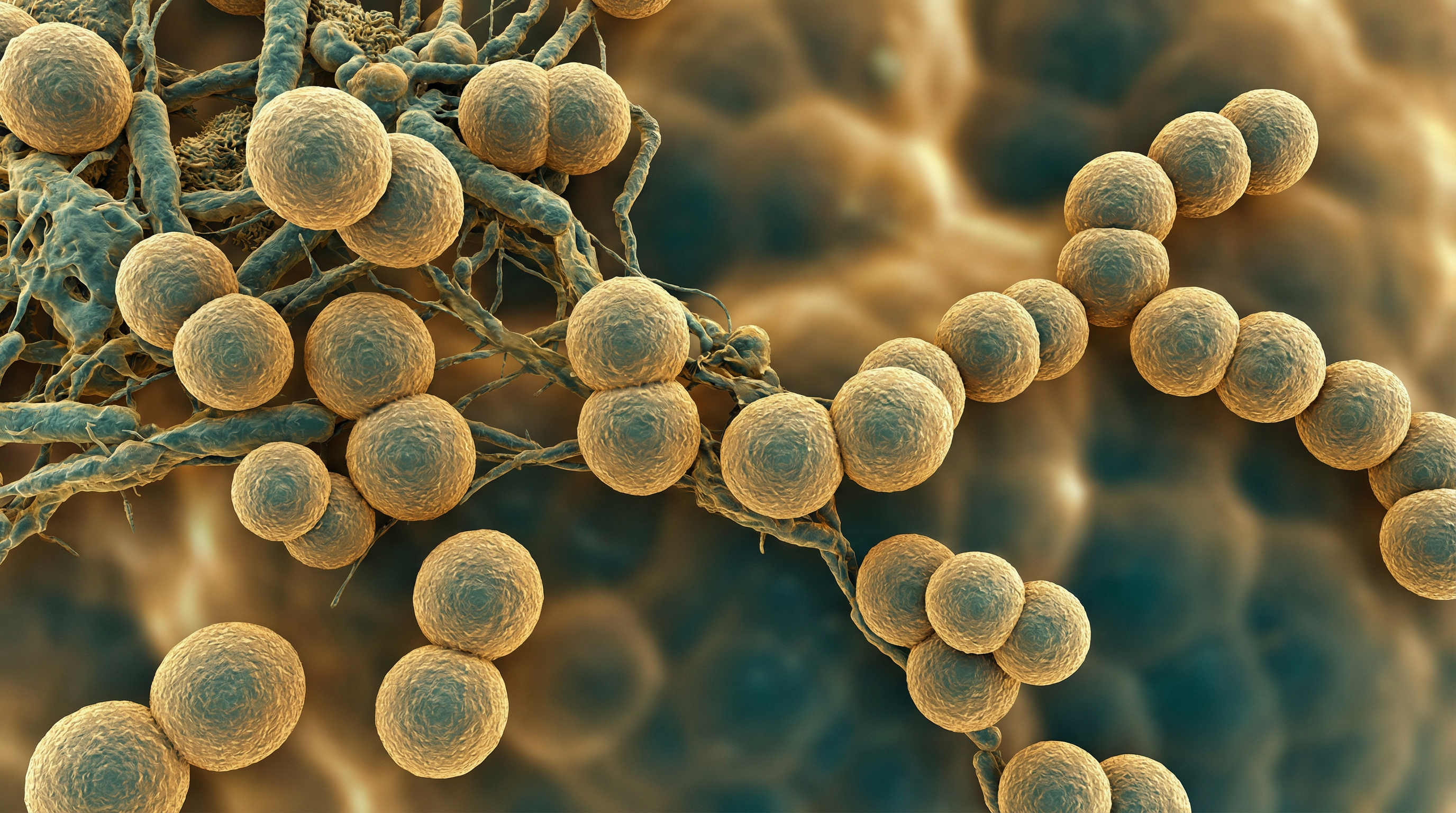
Veillonella parvula is a Gram-negative, obligate anaerobic, non-motile, non-spore-forming coccus that belongs to the phylum Firmicutes, despite having a Gram-negative cell wall structure. It is a common commensal microorganism found primarily in the human oral cavity, but also in the gastrointestinal and respiratory tracts. V. parvula plays a significant role in the human microbiome as a bridging species in biofilm formation, particularly in dental plaque, and has a unique metabolic profile characterized by its inability to utilize carbohydrates and its dependence on the fermentation of organic acids, especially lactate, produced by other bacteria.
Characteristics
Veillonella parvula exhibits several distinctive characteristics:
- Morphology: Small cocci (0.3-0.5 μm in diameter) that typically arrange in pairs, short chains, or irregular clusters
- Cell wall structure: Gram-negative with a diderm (double membrane) cell envelope, despite phylogenetically belonging to the predominantly Gram-positive Firmicutes phylum
- Growth requirements: Strictly anaerobic, requiring an oxygen-free environment for growth
- Culture characteristics: Forms small, convex, smooth, grayish-white colonies on selective media containing lactate or pyruvate
- Temperature and pH preferences: Optimal growth at 37°C and pH 7.0-7.5
- Genetic features: Relatively small genome (approximately 2.1 Mb) with adaptations for its specialized metabolic niche
- Identification methods: Biochemical tests (negative catalase and oxidase, positive nitrate reduction), MALDI-TOF mass spectrometry, and 16S rRNA gene sequencing
V. parvula is distinguished from other Veillonella species by its specific biochemical profile, including its pattern of volatile fatty acid production and its inability to hydrolyze esculin. The species is non-motile and lacks flagella, which limits its active mobility within the microbiome, making its distribution dependent on passive transport mechanisms and ecological factors.
Role in Human Microbiome
Veillonella parvula occupies several important niches in the human microbiome:
Oral Cavity
- Represents one of the most abundant bacterial genera in the oral microbiome, second only to Streptococcus and Prevotella
- Functions as a critical bridging species in dental plaque biofilm formation, connecting early colonizers (primarily streptococci) with later colonizers
- Particularly abundant in the tongue, buccal mucosa, and dental plaque
- Establishes mutualistic relationships with other oral bacteria, especially streptococci, through metabolic cross-feeding
Gastrointestinal Tract
- Present throughout the GI tract, with increasing abundance in the colon
- Contributes to the metabolic processing of lactate, preventing its accumulation and associated acidosis
- May influence gut immune homeostasis through interactions with intestinal epithelial cells and immune cells
Respiratory Tract
- Found as a commensal in the upper respiratory tract
- May contribute to the respiratory microbiome stability through interactions with other resident bacteria
V. parvula's distribution and abundance are influenced by local environmental conditions, particularly oxygen levels, pH, and the presence of metabolic partners that produce lactate. Its role as a bridging species in biofilm formation makes it particularly important in the development and maturation of complex microbial communities in the human body.
Health Implications
Veillonella parvula has complex and sometimes contradictory implications for human health:
Beneficial Effects
- Lactate metabolism: Converts lactate to propionate and acetate, potentially preventing acidification in the oral cavity and reducing the risk of dental caries
- Biofilm stability: Contributes to the stability of healthy oral biofilms through interspecies interactions
- Immune modulation: May contribute to immune tolerance in the oral cavity and gut through specific interactions with host immune cells
- Colonization resistance: Potentially helps prevent colonization by more pathogenic species through competitive exclusion
Harmful Effects
- Dental caries: Despite its lactate-consuming activity, V. parvula has been associated with dental caries progression when in synergistic relationships with cariogenic bacteria like Streptococcus mutans
- Periodontal disease: Found in increased abundance in periodontal pockets and may contribute to disease progression as part of dysbiotic communities
- Inflammatory conditions: Overabundance has been linked to intestinal inflammation through activation of macrophages via the LPS-TLR4 pathway
- Opportunistic infections: Rarely causes systemic infections but has been isolated from various infection sites, including endocarditis, meningitis, and osteomyelitis, particularly in immunocompromised individuals
Disease Associations
- Oral diseases: Dental caries, periodontitis, endodontic infections
- Gastrointestinal disorders: Inflammatory bowel disease, Hirschsprung's disease-associated enterocolitis
- Respiratory conditions: Chronic obstructive pulmonary disease (COPD), cystic fibrosis lung infections (as part of polymicrobial communities)
The health impact of V. parvula appears to be context-dependent, influenced by factors such as its relative abundance, the composition of the surrounding microbiome, host immune status, and local environmental conditions. Its role in health and disease is often indirect, mediated through its interactions with other microorganisms and host tissues.
Metabolic Activities
Veillonella parvula exhibits a highly specialized metabolism that distinguishes it from many other bacteria:
Primary Metabolic Pathways
- Lactate utilization: Cannot ferment carbohydrates but specializes in utilizing lactate as its primary carbon and energy source
- Propionate production: Converts lactate to propionate, acetate, and CO₂ through the methylmalonyl-CoA pathway
- Amino acid metabolism: Can utilize certain amino acids as secondary energy sources
- Nitrate reduction: Capable of reducing nitrate to nitrite, which may contribute to nitrogen cycling in microbial communities
Metabolic Interactions
- Cross-feeding relationships: Establishes mutualistic relationships with lactic acid-producing bacteria (especially streptococci) in a classic example of metabolic cross-feeding
- pH modulation: Consumption of lactate helps neutralize acidic microenvironments created by carbohydrate-fermenting bacteria
- Short-chain fatty acid production: Generates propionate and acetate, which may influence host physiology and other microbiome members
Adaptations
- Anaerobic respiration: Possesses pathways for anaerobic respiration using alternative electron acceptors like nitrate
- Acid tolerance: Can survive in moderately acidic environments, allowing it to thrive in ecological niches where lactate is abundant
- Metabolic flexibility: Despite its inability to utilize carbohydrates directly, has evolved mechanisms to exploit the metabolic byproducts of other bacteria
The metabolic specialization of V. parvula represents an evolutionary adaptation to occupy a specific niche within complex microbial communities. By consuming lactate produced by primary fermenters, it not only secures a reliable energy source but also modifies the local environment in ways that can benefit both itself and other community members. This metabolic interdependence is a key factor in V. parvula's ecological success and its importance in microbiome stability.
Clinical Relevance
Veillonella parvula has several clinically significant aspects:
Diagnostic Considerations
- Biomarker potential: Altered abundance may serve as a biomarker for certain oral and gastrointestinal conditions
- Identification challenges: Can be difficult to isolate and identify using conventional culture methods due to its strict anaerobic requirements and slow growth
- Microbiome analysis: Often detected in 16S rRNA gene sequencing studies of the oral and gut microbiome
Treatment Approaches
- Antibiotic susceptibility: Generally susceptible to metronidazole, clindamycin, and carbapenems; variable susceptibility to penicillins and cephalosporins
- Biofilm considerations: Participation in biofilms can increase resistance to antimicrobial agents and host immune defenses
- Probiotic potential: Some research suggests potential probiotic applications, particularly in preventing dental caries through lactate consumption
Prevention Strategies
- Oral hygiene: Regular dental care may help maintain balanced oral microbial communities
- Dietary considerations: Diets low in fermentable carbohydrates may reduce the abundance of lactate-producing bacteria and consequently affect V. parvula populations
- Microbiome modulation: Emerging approaches targeting microbiome composition may influence V. parvula abundance and activity
Clinical Management Challenges
- Polymicrobial nature: Infections involving V. parvula are typically polymicrobial, requiring broad-spectrum antimicrobial coverage
- Biofilm disruption: Effective treatment may require physical disruption of biofilms in addition to antimicrobial therapy
- Recurrence risk: Due to its prevalence as a commensal, complete eradication is neither possible nor desirable, creating challenges for managing recurrent infections
While V. parvula is not typically a primary pathogen requiring targeted clinical intervention, understanding its role in polymicrobial communities is important for comprehensive management of biofilm-associated infections and microbiome-related disorders. Its dual nature as both a potential contributor to disease processes and a potential beneficial member of healthy microbiomes makes clinical approaches complex and context-dependent.
Interactions with Other Microorganisms
Veillonella parvula engages in numerous significant interactions with other microorganisms:
Mutualistic Relationships
- Streptococcus species: Forms strong mutualistic relationships with various streptococci, particularly S. mutans, S. gordonii, and S. salivarius, through metabolic cross-feeding where V. parvula consumes lactate produced by streptococci
- Lactobacillus species: Similar cross-feeding relationships with lactobacilli in both oral and gut environments
- Actinomyces species: Coaggregation and metabolic interactions in dental plaque formation
Competitive Interactions
- Competition for adhesion sites: Competes with other bacteria for binding sites on oral surfaces and within biofilms
- Bacteriocin sensitivity: Susceptible to bacteriocins produced by certain streptococci and other oral bacteria, which may regulate its abundance
Synergistic Relationships
- Biofilm enhancement: Promotes biofilm formation and stability through coaggregation and extracellular matrix contributions
- Pathogen support: Can act as an "accessory pathogen" by creating favorable conditions for the growth of more virulent species
- Polymicrobial synergy: Participates in complex polymicrobial interactions that can enhance collective virulence or metabolic capabilities
Communication Mechanisms
- Quorum sensing: Responds to and potentially produces quorum sensing molecules that coordinate behavior within microbial communities
- Metabolite signaling: Exchange of metabolites serves not only nutritional purposes but also as signaling molecules affecting gene expression
Ecological Impact
- Bridging function: Serves as a critical bridging species connecting early and late colonizers in biofilm development
- Community stability: Contributes to the stability and resilience of microbial communities through its metabolic activities and interspecies interactions
- Succession facilitation: Helps drive ecological succession in developing biofilms by modifying local environmental conditions
The extensive network of interactions between V. parvula and other microorganisms highlights its importance as a keystone species in microbial ecology. These interactions are dynamic and context-dependent, varying based on environmental conditions, community composition, and host factors. Understanding these complex relationships is essential for comprehending the role of V. parvula in both health and disease states.
Research Significance
Veillonella parvula has significant importance across multiple research domains:
Microbial Ecology
- Biofilm models: Serves as a model organism for studying interspecies interactions in biofilm formation and development
- Cross-feeding paradigms: Represents a classic example of metabolic cross-feeding, providing insights into microbial community dynamics
- Bridging species concept: Helps elucidate the role of bridging species in complex microbial community assembly
Oral Microbiology
- Dental caries research: Contributes to understanding the complex microbial ecology of dental caries beyond the traditional focus on S. mutans
- Periodontal disease studies: Provides insights into the transition from health to disease in periodontal communities
- Oral biofilm development: Helps map the temporal and spatial dynamics of oral biofilm formation
Medical Microbiology
- Polymicrobial infections: Enhances understanding of how seemingly non-pathogenic commensals may contribute to infection processes
- Accessory pathogen concept: Exemplifies how bacteria can indirectly promote pathogenesis by supporting more virulent species
- Opportunistic pathogenesis: Illustrates the context-dependent nature of bacterial pathogenicity
Microbiome Science
- Core microbiome studies: As a consistent member of the oral and gut microbiome, helps define the core human microbiome
- Microbiome-host interactions: Provides insights into how commensal bacteria interact with host tissues and immune systems
- Dysbiosis mechanisms: Helps elucidate how shifts in microbial community composition contribute to disease states
Biotechnology and Therapeutics
- Probiotic development: Potential applications in oral health probiotics due to its lactate-consuming properties
- Biofilm control strategies: Informs approaches to managing biofilms in clinical and industrial settings
- Microbiome modulation: Contributes to understanding how targeted microbiome interventions might affect community dynamics
Evolutionary Biology
- Metabolic specialization: Demonstrates evolutionary adaptation to specific ecological niches
- Phylogenetic incongruence: As a Gram-negative member of the predominantly Gram-positive Firmicutes phylum, provides insights into bacterial evolution and horizontal gene transfer
Ongoing research on V. parvula continues to expand our understanding of microbial community dynamics, host-microbe interactions, and the complex role of the microbiome in health and disease. Its position at the intersection of multiple research fields makes it a valuable model organism for addressing fundamental questions in microbiology and microbiome science.
References
Zhou P, Manoil D, Belibasakis GN, Kotsakis GA. Veillonellae: Beyond Bridging Species in Oral Biofilm Ecology. Front Oral Health. 2021;2:774115.
Zhan Z, Liu W, Pan L, Bao Y, Yan Z, Hong L. Overabundance of Veillonella parvula promotes intestinal inflammation by activating macrophages via LPS-TLR4 pathway. Cell Death Discov. 2022;8:251.
Mashima I, Nakazawa (Content truncated due to size limit. Use line ranges to read in chunks)