

Clostridium difficile
Clostridium difficile (C. difficile or C. diff) is a gram-positive, spore-forming anaerobic bacterium that can cause significant intestinal disease, particularly following antibiotic use. While it may be present in small numbers in some healthy individuals, it typically causes problems when the normal gut microbiome is disrupted.
Characteristics
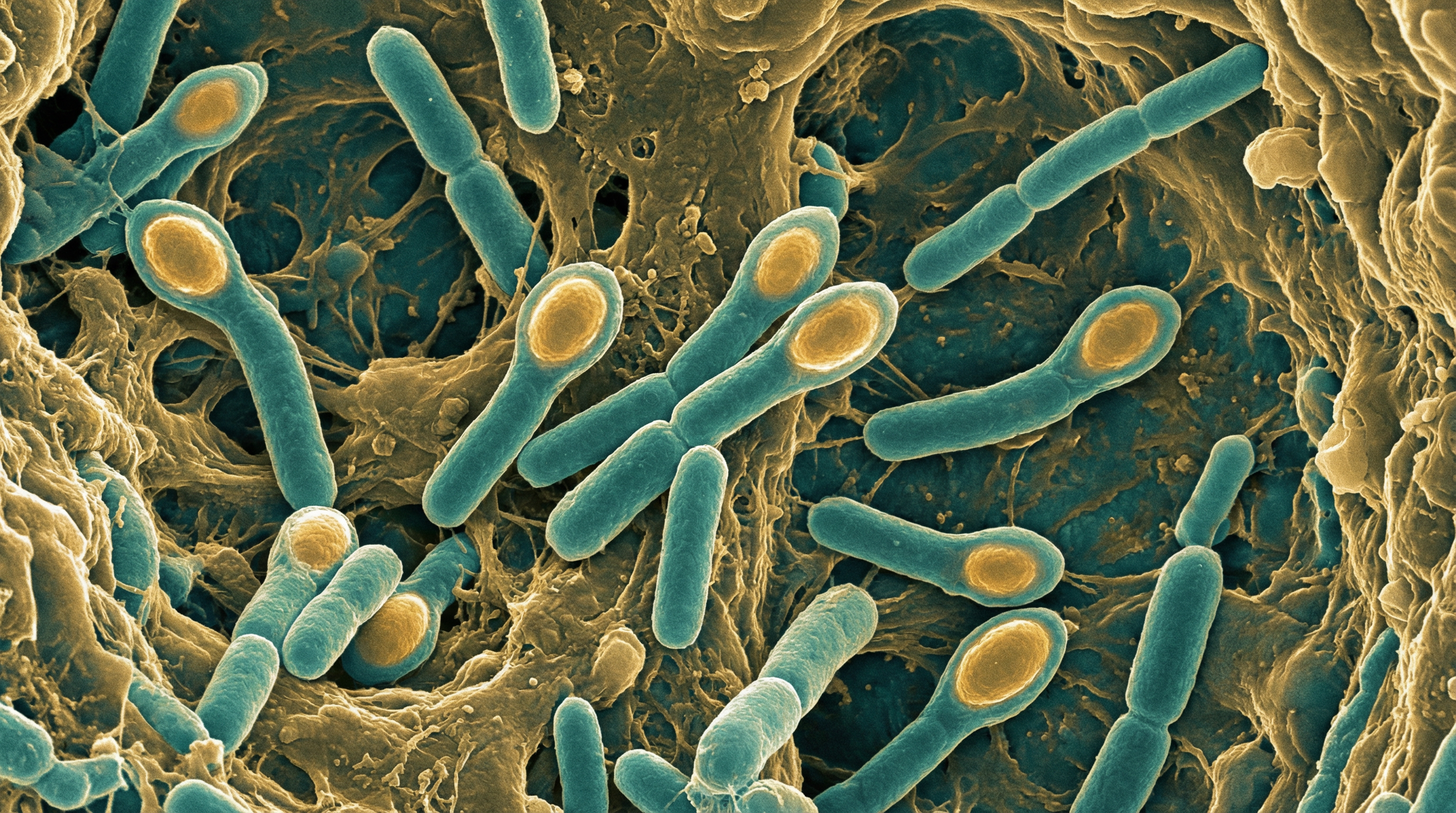
C. difficile is characterized by its ability to form highly resistant spores that can survive harsh environmental conditions, including exposure to oxygen, extreme temperatures, and many disinfectants. These spores can persist on surfaces for months, making C. difficile a common cause of healthcare-associated infections. The bacterium produces two main toxins (Toxin A and Toxin B) that damage the intestinal epithelium and cause inflammation.
Health Impacts
Pathogenic Mechanisms
C. difficile causes disease through several mechanisms:
- Production of enterotoxins that damage intestinal cells
- Triggering inflammatory responses in the colon
- Disrupting the intestinal barrier function
- Forming pseudomembranes on the colonic mucosa in severe cases
- Competing with beneficial bacteria for resources
Clinical Manifestations
C. difficile infection (CDI) can present with a spectrum of symptoms:
- Mild to moderate diarrhea
- Abdominal pain and cramping
- Fever and leukocytosis
- Pseudomembranous colitis (severe inflammation with characteristic yellow plaques)
- Toxic megacolon (life-threatening dilation of the colon)
- Intestinal perforation and sepsis in extreme cases
Risk Factors
Several factors increase the risk of C. difficile infection:
- Recent antibiotic use (especially broad-spectrum antibiotics)
- Hospitalization or residence in long-term care facilities
- Advanced age (65 years and older)
- Immunocompromised status
- Gastrointestinal surgery or procedures
- Proton pump inhibitor use
- Previous C. difficile infection
Interactions with Other Microbiome Components
C. difficile's relationship with other microbiome members is primarily antagonistic:
- Beneficial bacteria like Lactobacillus and Bifidobacterium species inhibit C. difficile growth
- Bacteroides fragilis and other commensal bacteria compete for nutrients and attachment sites
- Loss of microbial diversity creates niches that C. difficile can exploit
- Restoration of a diverse microbiome is key to preventing recurrent infections
Treatment and Prevention
Approaches to managing C. difficile infection include:
- Discontinuation of the inciting antibiotic when possible
- Specific antibiotics targeting C. difficile (vancomycin, fidaxomicin, metronidazole)
- Fecal microbiota transplantation for recurrent infections
- Probiotics as adjunctive therapy or for prevention
- Strict infection control measures in healthcare settings
- Antimicrobial stewardship to reduce unnecessary antibiotic use
Research Directions
Current research on C. difficile focuses on:
- Developing new antimicrobial agents with minimal impact on the gut microbiome
- Creating vaccines targeting C. difficile toxins
- Understanding the role of bile acids in C. difficile germination and growth
- Identifying specific microbiome compositions that confer resistance to colonization
- Improving diagnostic methods for early detection