

Clostridium perfringens
Overview
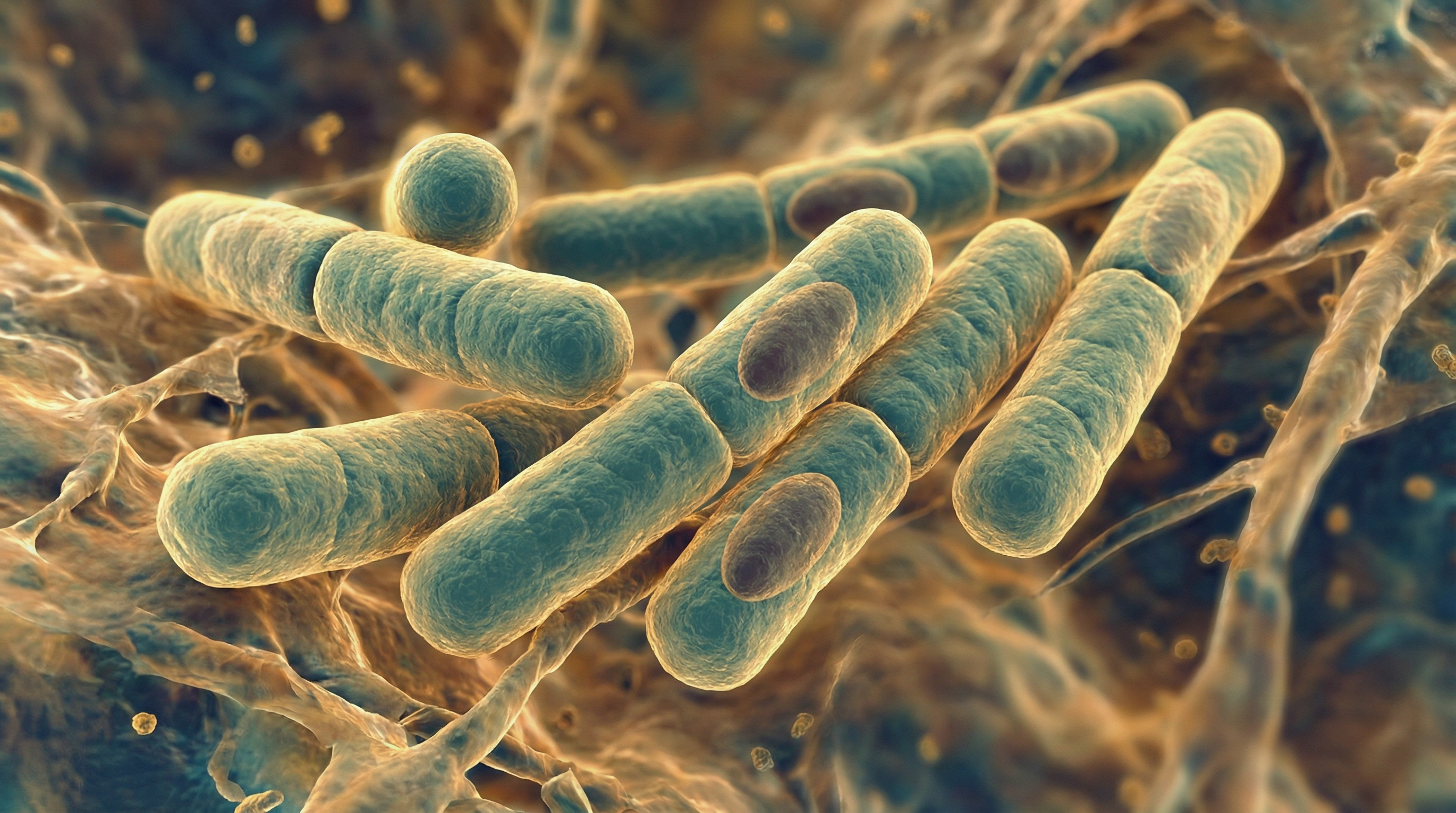
Clostridium perfringens is an anaerobic, Gram-positive, spore-forming bacillus that is widely distributed in nature, particularly in soil, food, and the gastrointestinal tract of humans and animals[1]. Following updated toxin-based classification (2018), strains are now categorized into seven toxinotypes (A-G) based on production of six major typing toxins: alpha (CPA), beta (CPB), epsilon (ETX), iota (ITX), enterotoxin (CPE), and necrotic enteritis B-like toxin (NetB)[2]. In the United States, the incidence of gas gangrene is approximately 1,000-3,000 cases per year, with mortality rates ranging from 20-30% with optimal care to 67% or higher in immunocompromised patients[3]. C. perfringens is one of the most common causes of foodborne illness and is responsible for severe conditions including necrotic enteritis (causing $5 billion annual losses in poultry), gas gangrene (clostridial myonecrosis), and various enteric diseases[4].
Characteristics
C. perfringens possesses several distinctive characteristics that contribute to its ecological success and pathogenic potential[1]:
- Morphology: Gram-positive, rod-shaped (boxcar-shaped), non-motile bacterium
- Oxygen tolerance: Obligate anaerobe, although some strains exhibit oxygen tolerance
- Growth characteristics: Exceptionally fast-growing with a doubling time of as little as 10 minutes under optimal conditions (43-45°C), capable of growth at pH 5.0-8.0
- Spore formation: Produces endospores resistant to heat, desiccation, UV radiation, and chemical disinfectants; α/β-type small acid-soluble proteins (SASPs) bind to spore DNA, providing protection against environmental stresses[5]
- Genomic features: Chromosome size 2.9-4.1 Mb encoding 2,600-3,800 genes; genome contains >200 transport-related genes including ABC transporters facilitating nutrient uptake
- Hemolysis: Produces characteristic double zone of hemolysis on blood agar
- Heat resistance: Spores can survive cooking temperatures, with type F food poisoning strains producing particularly resistant spores
- Plasmid-mediated virulence: Large conjugative plasmids (pCW3-like, pCP13-like) and non-conjugative plasmids (pIP404-like) carry toxin genes and enable horizontal gene transfer[6]
Role in Human Microbiome
C. perfringens is a common but typically minor component of the normal human gut microbiome:
Colonization: It can be found in low numbers (0.01-0.02% relative abundance) in the intestinal tract of healthy individuals, particularly in the colon.
Opportunistic Pathogen: Under normal conditions, C. perfringens exists as a commensal organism. However, when the gut environment is altered (e.g., following antibiotic treatment, dietary changes, or intestinal damage), it can proliferate rapidly and cause disease.
Microbiome Interactions: C. perfringens interacts with other members of the gut microbiota, often in competitive relationships. Its growth is typically restricted by beneficial bacteria such as Lactobacillus species through competitive exclusion and production of antimicrobial compounds.
Dysbiosis Association: Increased abundance of C. perfringens is associated with dysbiosis (microbial imbalance) in the gut, which can contribute to various gastrointestinal disorders.
Health Implications
C. perfringens causes a spectrum of diseases ranging from mild food poisoning to life-threatening gas gangrene, with different toxinotypes associated with specific clinical syndromes[1]:
Type A: Gas Gangrene (Clostridial Myonecrosis)
Gas gangrene is a rapidly progressing, potentially fatal infection primarily caused by type A strains producing alpha toxin (CPA)[3]:
- Clinical presentation: Severe pain disproportionate to examination findings, rapid tissue necrosis, gas production within tissues (crepitus), bronze/purple skin discoloration, and foul-smelling discharge
- Types: Traumatic (following injuries, surgery) and spontaneous/hematogenous (often associated with malignancy or immunocompromise)
- Pathophysiology: Alpha toxin (phospholipase C) hydrolyzes sphingomyelin and phosphatidylcholine, activating signaling cascades leading to calcium influx, calpain activation, and cell necrosis; theta toxin (perfringolysin O) forms β-barrel pores causing red blood cell lysis
- Mortality: 20-30% with optimal treatment; up to 67% in immunocompromised patients; untreated disease is uniformly fatal
- Gas composition: 5.9% hydrogen, 3.4% carbon dioxide, 74.5% nitrogen, 16.1% oxygen
Type F: Food Poisoning
Type F strains producing enterotoxin (CPE) are among the most common causes of foodborne illness[7]:
- Mechanism: CPE binds to claudin receptors on intestinal epithelium, forming pores that allow calcium influx, activating calpain and leading to cellular damage
- Clinical features: Watery diarrhea and abdominal cramps 8-16 hours after consuming contaminated food, typically self-limiting within 24 hours
- Epidemiology: Outbreaks commonly occur in institutions where food is prepared and held at improper temperatures
- Non-foodborne disease: Type F strains also cause 5-15% of antibiotic-associated diarrhea and sporadic diarrhea cases
Type C: Necrotic Enteritis (Human)
- Pigbel/Enteritis necroticans: Historically endemic in Papua New Guinea, affecting malnourished children with low trypsin levels who consumed contaminated pork with sweet potatoes (trypsin inhibitors)
- Mechanism: Beta toxin causes necrotizing enteritis; toxin is normally degraded by trypsin, but survives in malnourished individuals or those with trypsin inhibitor consumption
- Risk factors: Malnutrition, diabetes, pancreatic diseases
Type G: Necrotic Enteritis (Poultry)
- NetB toxin-producing type G strains cause necrotic enteritis in chickens, resulting in approximately $5 billion in annual economic losses worldwide[4]
Emerging Association: Multiple Sclerosis
Recent research has identified epsilon toxin-producing C. perfringens strains in the feces of multiple sclerosis patients, with epsilon toxin serum antibodies detected in MS patients, suggesting a potential role in MS pathogenesis—though definitive evidence remains lacking[1].
Toxin Mechanisms and Virulence Factors
C. perfringens produces an extensive arsenal of toxins with specific mechanisms of action[8]:
Alpha Toxin (CPA) - Phospholipase C
The most important virulence factor in gas gangrene[3]:
- Hydrolyzes sphingomyelin and phosphatidylcholine in host cell membranes
- Activates endogenous phospholipases and sphingomyelinases via Gi-GTP-binding protein interaction
- Triggers MAPK/ERK and NF-κB signaling cascades, producing reactive oxygen species (ROS) and IL-8
- Induces calcium influx, calpain activation, cytochrome c release, and apoptosome formation leading to necrosis and apoptosis
- Activates prostaglandin, thromboxane, and leukotriene synthesis causing vasoconstriction, increased vascular permeability, and platelet aggregation
Theta Toxin (Perfringolysin O)
- Cholesterol-dependent cytolysin that forms large β-barrel pore complexes (30-50 monomers)
- Causes red blood cell lysis and coagulative necrosis
- Related to toxins in Streptococcus, Listeria, and Bacillus
Beta Toxin
- Pore-forming toxin with dual affinity for neurons and colonic mucosa
- Activates tachykinin NK1 receptor on autonomic neurons, triggering catecholamine release and arterial constriction
- Stimulates substance P release and TNF-α-mediated plasma extravasation
- CD31 (PECAM-1) serves as receptor on endothelial cells
- Trypsin-sensitive; requires trypsin inhibitors for in vivo activity (explaining susceptibility in malnourished individuals)
Epsilon Toxin
- Third most potent bacterial toxin known; produced by type B and D strains
- Activated by intestinal proteases; binds MAL protein and P2 receptors
- Forms heptameric pores causing K+ efflux, Cl-/Na+ influx, and Ca2+ increase
- Induces apoptosis-inducing factor (AIF) translocation from mitochondria to nucleus
- Causes hemorrhagic colitis and edema; potential association with multiple sclerosis
Iota Toxin (Binary Toxin)
- Two-component toxin: enzyme component (Ia) and binding component (Ib)
- ADP-ribosylates actin, causing cytoskeleton depolymerization
- Disrupts tight and basolateral junctions, increasing paracellular permeability
Enterotoxin (CPE)
- 35 kDa protein produced during sporulation
- Binds claudin receptors, forming pores allowing calcium influx
- Activates calpain leading to cellular necrosis and apoptosis
- Gene (cpe) located on chromosome (
70% of food poisoning isolates) or plasmid (30% of food poisoning, most non-foodborne disease isolates)
Additional Virulence Factors
- Kappa toxins: Collagenase and gelatinase destroying connective tissue
- Lambda toxin: Activates epsilon prototoxin
- Sialidases: Enable host carbohydrate utilization
- Hyaluronidase: Facilitates tissue invasion
Clinical Relevance and Treatment
Diagnosis
Food Poisoning[7]:
- Quantitative fecal cultures showing >10^6 CFU/g
- Detection of enterotoxin (CPE) in fecal samples via ELISA or PCR
- Clinical correlation with typical symptom onset (8-16 hours post-ingestion)
Gas Gangrene[3]:
- Clinical presentation: severe pain disproportionate to examination, rapid swelling, crepitus, skin discoloration (bronze/purple), foul odor
- Imaging: X-ray, CT, or MRI showing gas within soft tissues
- Laboratory: leukocytosis, metabolic acidosis, positive blood cultures
- Gram stain: large, boxcar-shaped, Gram-positive rods
- Molecular typing: PCR for toxin genes (plc, cpe, cpb, etx, iap/ibp, netB)
Treatment of Gas Gangrene
Multimodal therapy is essential[3]:
Surgical Management (cornerstone of treatment):
- Emergent surgical debridement of all necrotic tissue
- Fasciotomy for compartment syndrome
- Amputation in severe cases with extensive tissue involvement
- Serial debridements often necessary
Antibiotic Therapy:
- First-line: High-dose penicillin G (4g IV q4h) + clindamycin (900mg IV q8h) for 10-14 days
- Alternatives: Meropenem (1g IV q8h), piperacillin-tazobactam (4.5g IV q6h), ceftriaxone (1g IV q12h)
- Clindamycin or linezolid added to inhibit toxin production
- Metronidazole (500mg IV q8h) for enhanced anaerobic coverage
- Adjust based on culture sensitivities
Hyperbaric Oxygen Therapy (HBOT):
- Adjunctive treatment enhancing tissue oxygenation
- Inhibits anaerobic bacterial growth by increasing tissue oxygen tension
- Promotes formation of reactive oxygen species toxic to bacteria
- Stimulates angiogenesis and fibroblast activity
- Reduces tissue edema and inflammation
- May reduce need for amputation when combined with surgical and antibiotic therapy
Supportive Care:
- ICU-level monitoring
- Aggressive fluid resuscitation
- Vasopressor support for septic shock
- Antitoxin therapy (limited availability but effective in specific situations)
Prevention Strategies
Food Safety:
- Proper cooking (internal temperature >74°C)
- Rapid cooling of cooked foods to prevent spore germination
- Reheating to at least 74°C before consumption
- Proper food handling in institutional settings
Infection Control:
- Prompt wound care and debridement of traumatic injuries
- Sterile surgical techniques
- Vaccination in veterinary settings (toxoid vaccines for livestock)
Interactions with Other Microorganisms
C. perfringens engages in complex interactions with other members of the microbiome:
Competitive Relationships:
- Competes with other gut bacteria for nutrients and ecological niches
- Growth is inhibited by many Lactobacillus species through production of bacteriocins and organic acids
- Antagonistic relationships with other Clostridium species and Bifidobacteria
Synergistic Relationships:
- Can act synergistically with certain pathogens, such as Eimeria in poultry, leading to more severe disease
- May benefit from the oxygen-scavenging activities of facultative anaerobes in polymicrobial infections
Impact on Microbiome Composition:
- Proliferation of C. perfringens can lead to significant alterations in the gut microbiota
- Associated with decreased diversity and richness of the intestinal microbiome
- As C. perfringens increases in abundance during infection (up to 58-70% in severe cases), other beneficial bacteria are markedly diminished
Microbiome-Mediated Resistance:
- A healthy, diverse gut microbiome provides colonization resistance against C. perfringens overgrowth
- Depletion of protective microbiota (e.g., by antibiotics) increases susceptibility to C. perfringens infection
Metabolic Interactions:
- Produces metabolites that can influence the growth of other microorganisms
- May alter the intestinal environment through toxin production and pH changes, affecting the broader microbial community
Antibiotic Resistance
Emerging antibiotic resistance in C. perfringens poses clinical challenges[4]:
- Erythromycin resistance: erm(T) gene identified in resistant strains
- Aminoglycoside resistance: ant(6)-Ib resistance gene detected
- Tetracycline resistance: tet(A), tet(B), tet(M) genes increasingly common
- Mechanism: Plasmid-mediated horizontal transfer facilitates resistance spread
Research Significance and Future Directions
Current Research Focus Areas
Toxin Research[8]:
- Detailed structure-function studies of toxin mechanisms
- CPE-based therapeutics for claudin-expressing cancers
- Monoclonal antibody development for toxin neutralization
- Novel toxin detection methods (mass spectrometry, receptor-based assays)
Vaccine Development:
- Toxoid vaccines for veterinary use (types B, C, D)
- Research on human vaccines targeting CPE and alpha toxin
- Recombinant vaccines under development
Novel Therapeutics:
- Bacteriophage therapy targeting C. perfringens
- Small molecule inhibitors of toxin activity
- Synthetic peptides as toxin decoys
- Immunomodulatory agents enhancing toxin clearance
Multiple Sclerosis Research:
- Investigation of epsilon toxin's potential role in MS pathogenesis
- Studies of blood-brain barrier disruption by epsilon toxin
- Epidemiological studies of C. perfringens carriage in MS patients
Poultry Health and One Health
Necrotic enteritis in poultry represents a major economic and One Health concern:
- $5 billion annual global losses
- Increasing antibiotic-free production driving need for alternatives
- Research on competitive exclusion, probiotics, and prebiotics
- Understanding of Eimeria co-infection as predisposing factor
- Vaccine development targeting NetB toxin