

Malassezia species are lipophilic yeasts that are a normal part of the human skin microbiome. Of the 18 known species, M. globosa, M. restricta, M. sympodialis, and M. furfur are most commonly found on human skin, with different species predominating in different body sites.
Commensal Role
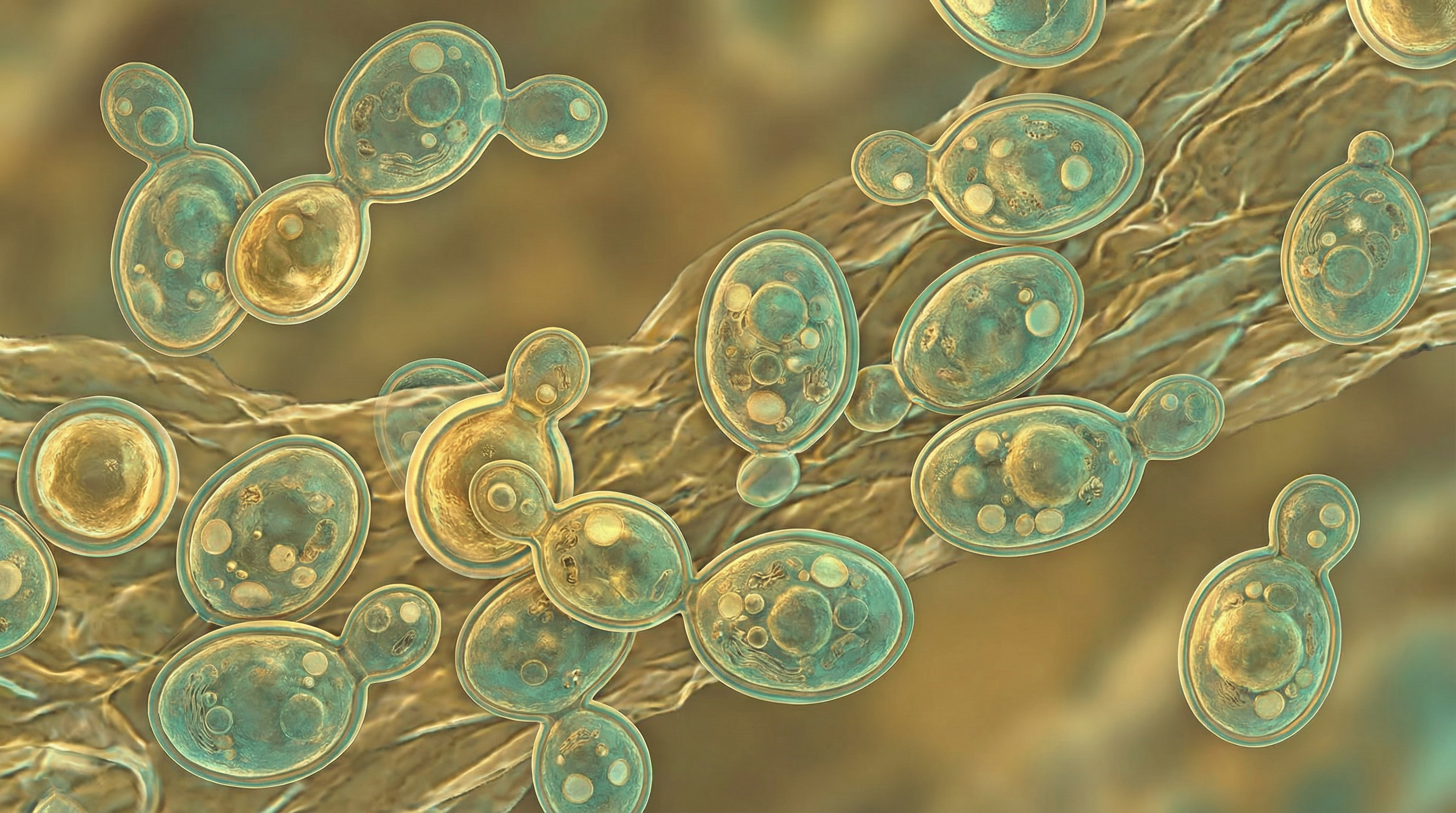
As commensals, Malassezia species are part of the normal skin flora, particularly in sebum-rich areas like the scalp, face, and upper trunk. They may play a role in training the skin immune system and potentially protecting against other pathogens through competition for resources.
Skin Conditions
Malassezia species are associated with several common skin conditions:
- Dandruff and seborrheic dermatitis: Caused by an inflammatory response to Malassezia, particularly M. globosa and M. restricta
- Pityriasis versicolor: A superficial fungal infection causing hypopigmented or hyperpigmented patches
- Atopic dermatitis: Malassezia can act as an allergen in some patients with this condition
- Folliculitis: Inflammation of hair follicles, particularly common in immunocompromised patients
Factors Affecting Growth
Malassezia growth is influenced by sebum production, humidity, temperature, and host immune status. Hormonal changes, stress, and certain medications can alter the skin environment and potentially lead to Malassezia overgrowth.
Interaction with Other Microorganisms
Malassezia interacts with other members of the skin microbiome, including bacteria like Staphylococcus epidermidis, Cutibacterium acnes, and Corynebacterium species. These interactions can be competitive or cooperative and may influence skin health and disease.
Treatment Approaches
Antifungal agents like ketoconazole, selenium sulfide, and zinc pyrithione are commonly used to treat Malassezia-associated conditions. These can be applied topically (in shampoos, creams) or, in severe cases, administered systemically.
Research Developments
Recent research has begun to explore the potential for Malassezia-specific probiotics or prebiotics to help maintain a balanced skin microbiome. Understanding the complex interactions between different Malassezia species and other skin microorganisms remains an active area of research.