

Sleep Quality
Enhance your sleep through microbiome optimization
Faster sleep onset
Improved sleep continuity
Enhanced deep sleep phases
Better sleep hormone regulation
Reduced sleep-disrupting inflammation
The Gut-Brain Connection
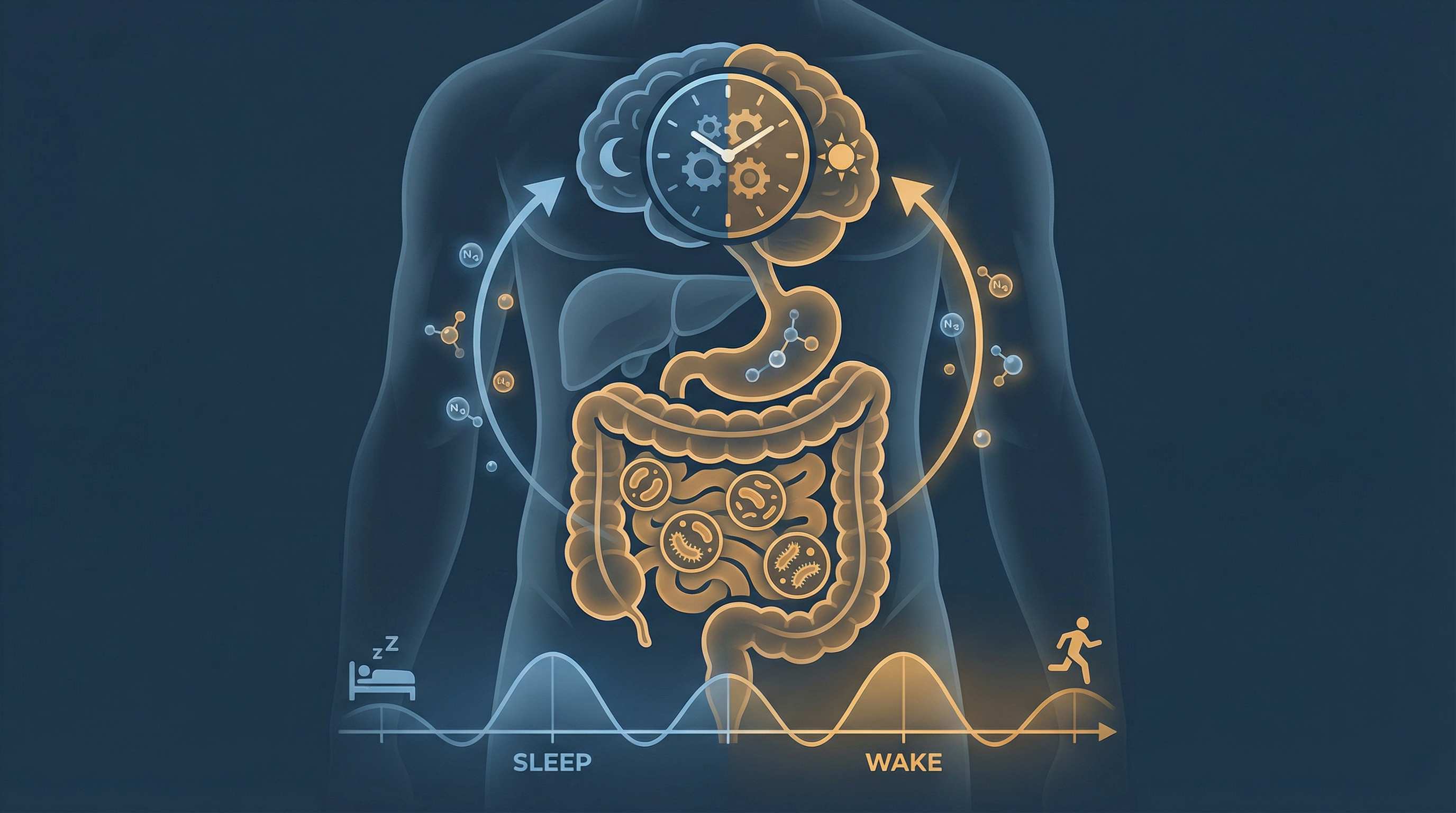
Your gut microbiome plays a profound role in sleep quality. Through what scientists call the gut-brain axis, trillions of microorganisms communicate directly with your brain, influencing everything from mood to cognitive function.
💡 Key Insight
Research Highlights
Gut Microbiome Influences Sleep Regulation
Research shows gut bacteria produce neurotransmitters and metabolites that directly influence sleep-wake cycles.
Journal of Sleep Research, 2023
Probiotics Improve Sleep Quality in Insomnia
Clinical trials demonstrate that specific probiotic strains can improve sleep quality metrics in individuals with insomnia.
Sleep Medicine, 2024
Specific Benefits
Explore the specific ways microbiome optimization supports sleep quality. Each benefit page provides in-depth information on mechanisms, supporting bacteria, and practical strategies.
Enhanced Melatonin Production
Support your body's natural melatonin synthesis through gut microbiome optimization for better sleep onset and quality.
Learn moreBetter GABA Signaling
Enhance your brain's calming neurotransmitter system through gut microbiome support for easier relaxation and deeper sleep.
Learn moreImproved Circadian Rhythm Support
Strengthen your body's internal clock through gut microbiome optimization for consistent, restorative sleep patterns.
Learn moreReduced Sleep-Disrupting Inflammation
Decrease the chronic inflammation that interferes with sleep quality through gut microbiome optimization for more restorative rest.
Learn more
Key Beneficial Microbes
These specific microorganisms have been scientifically shown to support sleep quality through various mechanisms.
Dietary Recommendations
🥗 Foods to Include
- Tryptophan-rich foods (turkey, chicken, eggs)
- Magnesium-rich foods (leafy greens, nuts)
- Tart cherries
- Kiwi fruit
- Herbal teas (chamomile, valerian)
💊 Supplements to Consider
- Sleep-supporting probiotics
- Magnesium glycinate
- L-theanine
- Melatonin (short-term use)
- GABA

Expert Tips
Time fermented food consumption earlier in the day to avoid excess histamine at bedtime
Reduce sugar and processed carbohydrates that can disrupt sleep-regulating bacteria
Consider a small prebiotic-rich snack before bed to feed beneficial bacteria overnight
Maintain consistent meal timing to support circadian rhythm and gut bacteria cycles
Avoid alcohol before bed, as it disrupts both sleep quality and microbiome balance
Frequently Asked Questions
How quickly can microbiome changes improve sleep?
Some people notice improvements in sleep quality within 1-2 weeks, though more significant improvements typically develop over 4-6 weeks.
Can gut bacteria really produce sleep-regulating compounds?
Yes, gut bacteria produce serotonin (a precursor to melatonin), GABA, and various metabolites that affect the brain's sleep centers.