

Synergistetes Species
Key Characteristics
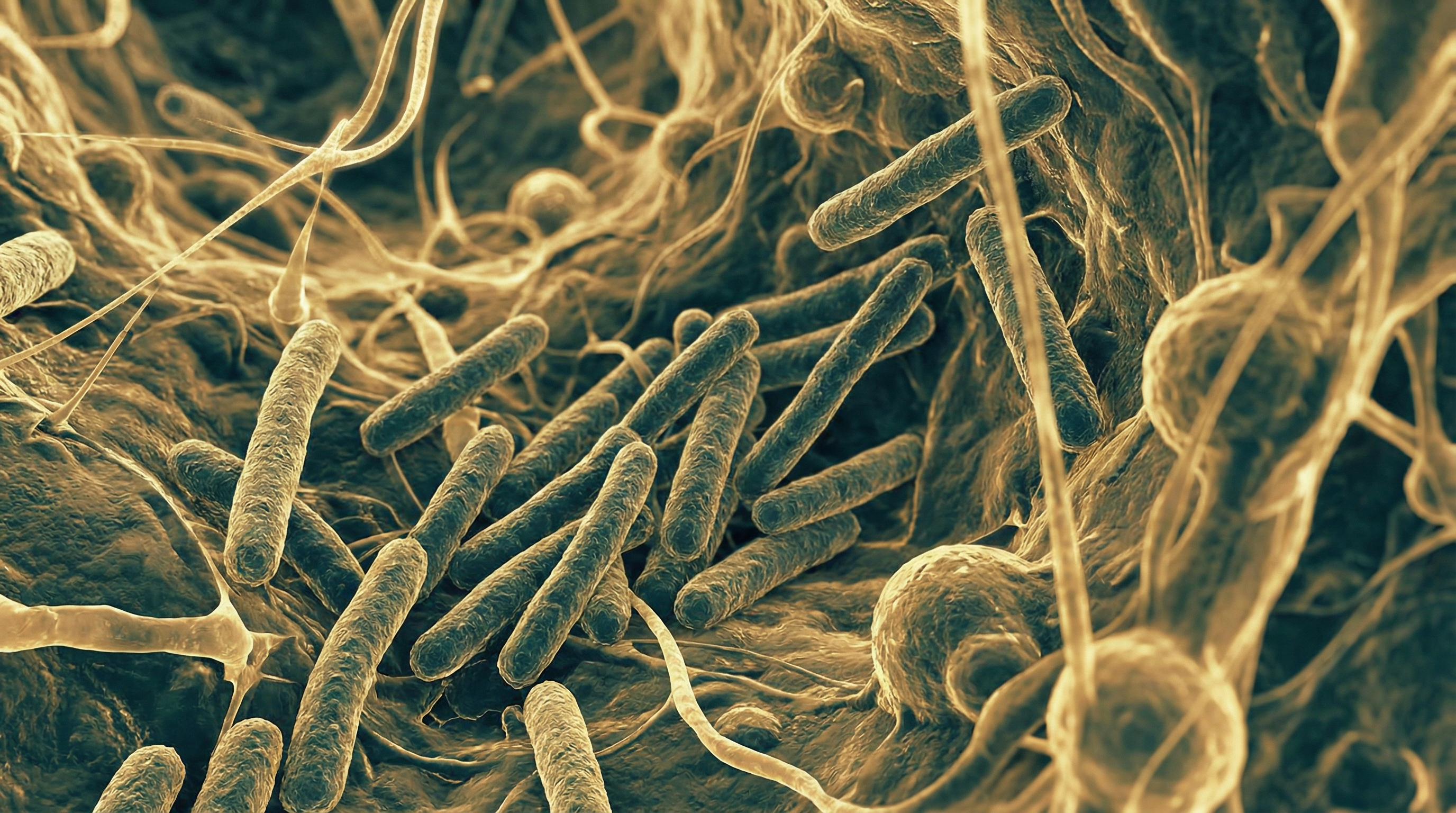
Synergistetes represents a relatively recently characterized phylum of bacteria with several distinctive features:
- Gram-negative staining bacteria with rod or vibrioid cell morphology
- Strictly anaerobic metabolism, unable to grow in the presence of oxygen
- Non-spore-forming organisms
- Primarily amino acid-degrading bacteria with specialized metabolic capabilities
- Currently comprises approximately 12 genera and 20 species
- First formally characterized as a distinct phylum in 2009
- Phylogenetically diverse group with representatives found in various environments
- Most members are mesophilic, growing optimally at moderate temperatures
- Some species can tolerate extreme environments, including high temperatures
- Cell walls contain typical Gram-negative structures with lipopolysaccharides
- Motility varies among species, with some being motile via flagella
- Generally have small genomes compared to other bacterial phyla
- Produce short-chain fatty acids and hydrogen as fermentation end products
- Capable of utilizing various amino acids as primary carbon and energy sources
- Some species can degrade complex organic compounds
- Often found in polymicrobial communities and biofilms
- Typically present in low abundance in healthy human microbiomes
- Higher abundance associated with dysbiotic states and disease conditions
- Difficult to culture using standard laboratory techniques
- Often identified through culture-independent molecular methods
- Taxonomically distinct from other bacterial phyla
- Contain unique 16S rRNA gene sequences that allow for specific identification
- Some species produce antimicrobial compounds that may influence microbial community structure
- Capable of forming synergistic relationships with other microorganisms
- Possess specialized enzyme systems for amino acid fermentation
- Generally non-pathogenic but may contribute to polymicrobial infections
- Relatively understudied compared to more abundant bacterial phyla
- Ongoing research continues to identify new species within this phylum
- Exhibit metabolic versatility that allows adaptation to various ecological niches
- Some species contain unique metabolic pathways not found in other bacteria
The Synergistetes phylum represents a phylogenetically and metabolically distinct group of bacteria that has only recently been recognized as a separate taxonomic entity. Their specialized amino acid degradation capabilities and association with various human microbiome sites, particularly in disease states, make them an important subject for ongoing microbiome research.
Role in Human Microbiome
Synergistetes species occupy specific niches within the human microbiome, with their presence and abundance varying across different body sites and health conditions:
Oral Microbiome:
- Present in low abundance in the healthy oral cavity
- Significantly increased abundance in periodontal disease and gingivitis
- Primarily found in subgingival plaque and periodontal pockets
- Several oral taxa have been identified, with distinct distribution patterns
- Oral Synergistetes are organized into distinct clusters (A, B, and C) based on 16S rRNA gene sequences
- Cluster A Synergistetes are more commonly associated with periodontal disease
- Often co-localize with other periodontal pathogens in subgingival biofilms
- Form part of the complex microbial communities in dental plaque
- Rarely detected in healthy oral sites but prevalent in diseased sites
- May contribute to the dysbiotic shift preceding clinical periodontal disease
- Specific oral taxa include members of the genera Fretibacterium and Pyramidobacter
Gastrointestinal Tract:
- Present in low abundance in the healthy gut microbiome
- Distribution varies along different regions of the gastrointestinal tract
- Some studies suggest decreased abundance in certain inflammatory bowel conditions
- May play roles in amino acid metabolism within the gut ecosystem
- Contribute to the degradation of proteins and peptides in the intestinal environment
- Interact with other gut microbiota through metabolic networks
- Abundance may change with age, with some studies showing decreased proportion in older individuals
- Gender differences in gut Synergistetes abundance have been reported
- May contribute to the production of short-chain fatty acids through amino acid fermentation
- Specific gut taxa include members of the genera Jonquetella and Pyramidobacter
Skin Microbiome:
- Present in very low abundance in the healthy skin microbiome
- Distribution across different skin sites is not well characterized
- May be more prevalent in moist skin areas
- Role in skin health and disease remains largely unexplored
- Likely interact with dominant skin commensals through metabolic exchanges
- Specific skin-associated Synergistetes taxa are not well defined
Other Body Sites:
- Occasionally detected in the vaginal microbiome, particularly in dysbiotic states
- Found in some respiratory tract samples, especially in disease conditions
- Reported in some urinary tract infections and bladder samples
- Detected in various clinical samples from infected sites
- Present in some abscess samples and deep tissue infections
Colonization Patterns:
- Generally present at low abundance in healthy individuals
- Colonization likely begins in early childhood
- Abundance increases in response to specific environmental triggers
- May require the presence of other bacterial species to establish colonization
- Form part of complex polymicrobial communities rather than existing as single-species populations
- Colonization patterns may be influenced by host genetics and environmental factors
- Diet may influence the abundance of Synergistetes in the gut microbiome
- Oral hygiene practices affect the abundance of oral Synergistetes
Ecological Interactions:
- Engage in metabolic cross-feeding with other microbiome members
- May depend on primary degraders to break down complex substrates
- Produce metabolites that can be utilized by other bacteria
- Form part of complex food webs within microbial communities
- May compete with other amino acid-utilizing bacteria for resources
- Likely participate in biofilm formation and maintenance
- Interact with host cells and immune system components
- May influence the growth and virulence of other microorganisms
The role of Synergistetes in the human microbiome represents an emerging area of research. While their presence in healthy microbiomes is typically minimal, their increased abundance in various disease states, particularly periodontal disease, suggests they may contribute to dysbiosis and pathological processes. Their specialized metabolic capabilities and interactions with other microbiome members highlight their potential importance in microbiome ecology and host health.
Health Implications
The health implications of Synergistetes species in the human microbiome are primarily associated with their potential contributions to disease processes:
Periodontal Disease:
- Consistently found in increased abundance in periodontal disease
- May contribute to the dysbiotic shift that precedes clinical disease
- Often co-occur with established periodontal pathogens like Porphyromonas gingivalis and Treponema denticola
- Abundance correlates with clinical parameters of periodontal disease severity
- May participate in the complex inflammatory processes driving periodontal tissue destruction
- Could contribute to biofilm formation and protection of other pathogens
- Specific oral Synergistetes taxa have been proposed as potential biomarkers for periodontal disease
- Their presence may influence treatment outcomes for periodontal interventions
- Reduction in abundance often observed following successful periodontal therapy
- May contribute to disease recurrence when treatment fails to eliminate them
Other Oral Conditions:
- Associated with gingivitis, an inflammatory condition of the gums
- Detected in endodontic infections and root canal failures
- Present in peri-implantitis, an inflammatory condition affecting dental implants
- Found in some cases of oral malodor (halitosis)
- May contribute to oral mucosal inflammatory conditions
- Potentially involved in the progression from gingivitis to periodontitis
Gastrointestinal Health:
- Altered abundance reported in some inflammatory bowel conditions
- May influence gut inflammation through metabolic activities
- Amino acid degradation could produce potentially harmful metabolites
- Potential role in protein fermentation and production of potentially toxic compounds
- Changes in abundance associated with certain dietary patterns
- May influence gut barrier function through metabolite production
- Interactions with other gut microbiota could affect overall gut health
- Potential involvement in colorectal cancer microbiome signatures (research ongoing)
Systemic Health Connections:
- Periodontal disease has established links to various systemic conditions
- Synergistetes as components of periodontal disease may indirectly contribute to systemic inflammation
- Potential translocation from oral sites to distant body locations in certain conditions
- Found in some polymicrobial infections beyond the oral cavity
- Detected in some abscesses and deep tissue infections
- Potential contribution to bacteremia following dental procedures
- May play roles in the oral-systemic health connection
Immune System Interactions:
- Likely interact with host immune cells in the periodontal pocket
- May contribute to local inflammatory responses
- Could potentially modulate host immune function through metabolite production
- Cell wall components may stimulate innate immune responses
- May influence the recruitment of inflammatory cells to infection sites
- Could contribute to chronic inflammation in periodontal tissues
- Potential role in immune evasion within biofilm communities
Diagnostic and Therapeutic Considerations:
- Detection of specific Synergistetes taxa may have diagnostic value for periodontal disease
- Changes in abundance could serve as markers for treatment efficacy
- Difficult to target specifically due to their location within complex biofilms
- Generally susceptible to broad-spectrum antibiotics used in periodontal therapy
- May recolonize treated sites if not completely eliminated
- Potential target for future microbiome-based therapeutic approaches
- Probiotic strategies might aim to reduce their abundance in oral sites
- Dietary interventions could potentially influence their gut abundance
Research Limitations and Future Directions:
- Difficult to culture using standard laboratory techniques, limiting mechanistic studies
- Cause-effect relationships with disease not fully established
- Functional roles within microbiome communities still being elucidated
- Strain-level differences in pathogenic potential not well characterized
- Interactions with host genetics require further investigation
- Longitudinal studies needed to understand their role in disease initiation versus progression
- Potential as therapeutic targets needs further exploration
- Mechanisms of increased abundance in disease states not fully understood
The health implications of Synergistetes species highlight their potential role as contributors to dysbiosis and disease, particularly in the oral cavity. While not considered primary pathogens, their consistent association with periodontal disease suggests they may be important components of the polymicrobial communities driving these conditions. Their specialized metabolic capabilities and interactions with other microbiome members and host tissues warrant further investigation to fully understand their impact on human health.
Metabolic Activities
The metabolic activities of Synergistetes species reflect their specialized ecological niche and contribute to their roles in various microbiome communities:
Amino Acid Metabolism:
- Primary metabolic activity involves the degradation of amino acids
- Possess specialized enzyme systems for amino acid fermentation
- Utilize amino acids as both carbon and energy sources
- Produce short-chain fatty acids (SCFAs) as end products of amino acid fermentation
- Generate ammonia as a byproduct of amino acid deamination
- Particularly efficient at metabolizing glutamate, aspartate, and serine
- Some species can utilize arginine through the arginine deiminase pathway
- Possess aminopeptidases that facilitate protein and peptide degradation
- May participate in the metabolism of sulfur-containing amino acids
- Contribute to the overall protein turnover in microbial communities
Carbohydrate Metabolism:
- Limited capacity for carbohydrate utilization compared to amino acid metabolism
- Some species can ferment simple sugars as secondary substrates
- Generally lack complete pathways for complex carbohydrate breakdown
- May depend on other community members to break down complex carbohydrates
- Possess modified Embden-Meyerhof-Parnas pathway for glucose metabolism
- Limited capacity for pentose phosphate pathway activities
- Some species contain partial tricarboxylic acid (TCA) cycle components
- Generally lack respiratory chains and rely on fermentative metabolism
Energy Generation:
- Strictly anaerobic energy metabolism
- Generate ATP primarily through substrate-level phosphorylation
- Lack complete electron transport chains found in aerobic organisms
- Some species may use modified electron transport for energy conservation
- Produce hydrogen gas as an electron sink during fermentation
- May engage in syntrophic relationships with hydrogen-consuming microorganisms
- Energy yields from amino acid fermentation are relatively low
- Metabolic efficiency adapted to nutrient-rich environments
Fermentation End Products:
- Produce acetate as a major fermentation end product
- Generate propionate from certain amino acid substrates
- Some species produce butyrate in smaller quantities
- Release hydrogen gas duri (Content truncated due to size limit. Use line ranges to read in chunks)