

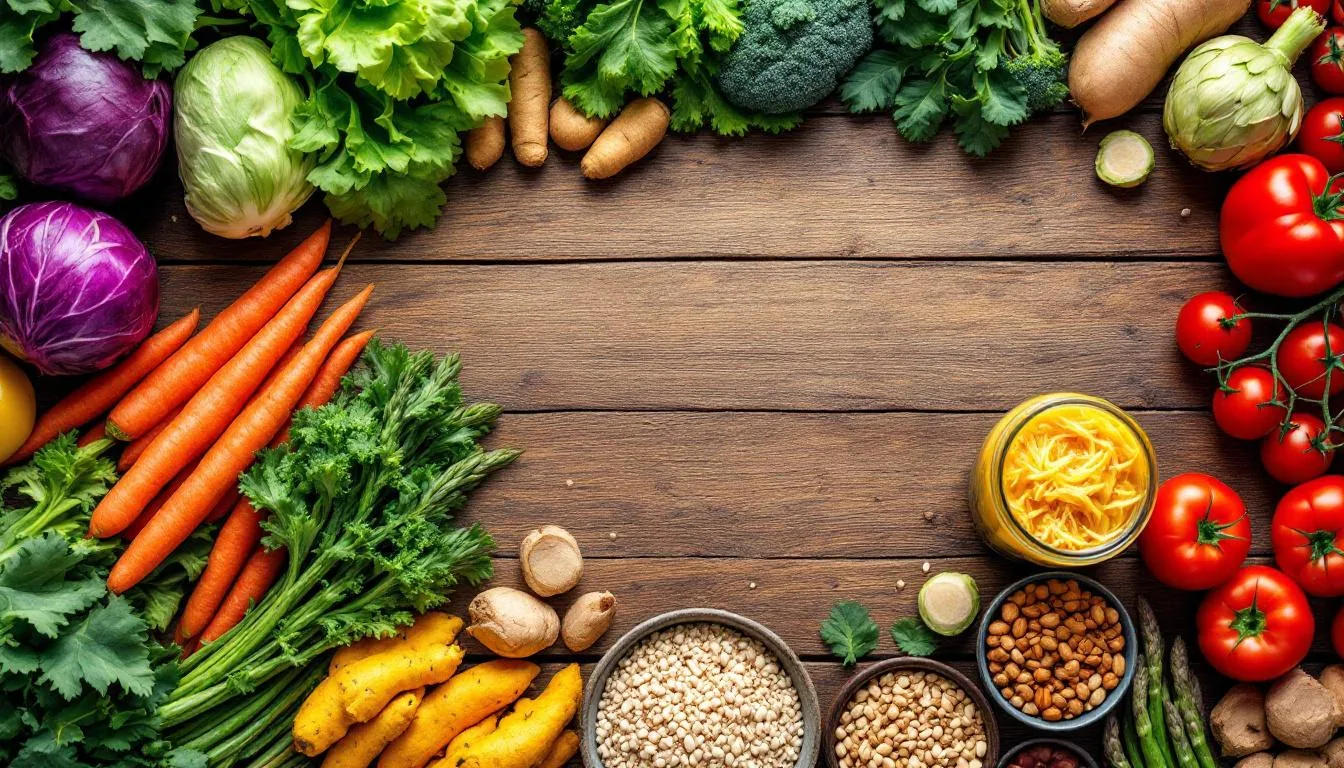
The gut microbiome — your community of trillions of bacteria, fungi, and other microbes — responds to how you eat, sleep, move, and manage stress. The good news: it's one of the most changeable biological systems in the body. The microbiome begins responding to dietary shifts within 24–48 hours, and meaningful improvements in diversity and composition are achievable within weeks to months.
This guide covers 10 strategies with the strongest scientific evidence for improving gut microbiome health, with practical protocols and realistic timelines.
Why Gut Microbiome Improvement Matters
A diverse, well-nourished microbiome produces short-chain fatty acids that reduce inflammation, maintains gut barrier integrity, trains 70% of the immune system, and supports brain health via the gut-brain axis. Poor microbiome health — dysbiosis — is linked to IBS, IBD, obesity, type 2 diabetes, anxiety and depression, allergies, and skin conditions.
The strategies below are ranked roughly by impact and evidence quality.
Strategy 1: Maximize Dietary Fiber Diversity
Impact: Highest | Timeline: 1–4 weeks for measurable changes
Dietary fiber is the primary fuel for beneficial gut bacteria. Without it, populations of butyrate-producing species decline and the gut mucus layer degrades[6]. With it, diversity flourishes.
The 30 Plants Per Week Target
The American Gut Project — the world's largest citizen science microbiome study — found that people eating 30+ different plant species per week had significantly more diverse microbiomes than those eating 10 or fewer. The "plant point" system (each unique plant species counts) captures this:
| Plant Category | Examples | Points |
|---|---|---|
| Vegetables | Broccoli, spinach, carrots, beets | 1 each |
| Fruits | Blueberries, apple, mango, banana | 1 each |
| Legumes | Lentils, chickpeas, black beans | 1 each |
| Whole grains | Oats, quinoa, barley, brown rice | 1 each |
| Nuts & seeds | Almonds, walnuts, flaxseed, pumpkin seeds | 1 each |
| Herbs & spices | Garlic, turmeric, ginger, oregano | ¼ point each |
Herbs and spices count — so a meal with garlic, onion, ginger, and turmeric adds points across diverse polyphenol and prebiotic categories.
Priority Prebiotic Fibers
Different bacteria ferment different fibers — dietary variety feeds a wider microbial community:
- Inulin (garlic, onions, leeks, chicory root, Jerusalem artichoke) — selectively feeds Bifidobacterium
- Resistant starch (cooled cooked potatoes/rice, green bananas, legumes) — preferentially fermented to butyrate
- Beta-glucan (oats, barley, mushrooms) — supports immune function and cholesterol reduction
- FOS (fructooligosaccharides) (bananas, asparagus, onion) — promotes Lactobacillus and Bifidobacterium
- Pectin (apples, citrus, berries) — produces propionate; supports gut barrier
- GOS (galactooligosaccharides) (legumes) — Bifidobacterium specialist; similar to human breast milk oligosaccharides
Protocol: Increase fiber intake gradually over 2–3 weeks (to minimize bloating) from your current intake to 25–38g/day. Every 3–5 days add one new plant source.
Strategy 2: Eat Fermented Foods Daily
Impact: High | Timeline: 2–6 weeks for diversity changes
A landmark 2021 Stanford clinical trial[1] (Wastyk et al., Cell) found that a 10-week high-fermented-food diet:
- Increased microbiome diversity (measured by species richness)
- Reduced 19 inflammatory markers including IL-6 and IL-12p70
- Outperformed a high-fiber diet alone for both diversity and anti-inflammatory effects
Fermented foods deliver live bacteria alongside prebiotic substrates, organic acids, and bioactive peptides that the bacteria produce during fermentation — a complexity no supplement can replicate.
Best Fermented Food Sources
| Food | Key Microbes | Notes |
|---|---|---|
| Kefir (dairy or water) | Lactobacillus, Leuconostoc, diverse yeasts | ~30 microbial species; dairy kefir best studied |
| Yogurt | L. bulgaricus, S. thermophilus, added strains | Choose unsweetened with "live active cultures" |
| Kimchi | L. kimchii, Leuconostoc species | Also provides fiber and vitamin C |
| Sauerkraut | L. plantarum, L. mesenteroides | Must be unpasteurized (refrigerated section) |
| Miso | Aspergillus oryzae, Bacillus species | Adds umami; don't boil (kills bacteria) |
| Tempeh | Rhizopus oligosporus | Also an excellent protein source |
| Kombucha | SCOBY (diverse bacteria/yeast) | Watch sugar; some brands are high-sugar |
Protocol: Aim for 1–2 servings of fermented foods daily. Rotate through different types over the week to maximize microbial diversity delivered.
Strategy 3: Prioritize Polyphenol-Rich Foods
Impact: High | Timeline: 2–4 weeks
Polyphenols — plant compounds in berries, dark chocolate, olive oil, green tea, coffee, and red wine — act as both direct antimicrobials against pathogenic bacteria and prebiotic substrates for beneficial ones[4].
Key polyphenol-microbiome interactions:
- Blueberries and other berries: Rich in anthocyanins; increase Bifidobacterium and Lactobacillus; produce urolithins via microbial metabolism (potent anti-inflammatories)
- Extra-virgin olive oil: Oleuropein and hydroxytyrosol have selective antimicrobial activity against pathogens while sparing beneficial species
- Green tea: EGCG increases microbiome diversity and is one of the foods that increase Akkermansia, though most of that evidence is from rodent studies
- Coffee: Major source of polyphenols in Western diets; habitual coffee drinkers show higher gut bacterial diversity
- Dark chocolate (≥70%): Flavanols promote Bifidobacterium and Lactobacillus growth
Protocol: Eat berries (fresh or frozen) at least 4 days per week, use olive oil as primary cooking fat, and drink 1–2 cups of green tea or coffee daily.
Strategy 4: Reduce Ultra-Processed Foods and Artificial Additives
Impact: High (removing a harm) | Timeline: Immediate benefit from reduction
Ultra-processed foods don't just displace fiber — they contain compounds that actively disrupt the microbiome:
- Emulsifiers (polysorbate-80, carboxymethylcellulose, carrageenan): Disrupt the mucus layer and alter bacterial communities in animal studies; associated with IBD-like inflammation
- Artificial sweeteners (saccharin, sucralose, aspartame): Multiple studies show alterations to gut microbiome composition, glucose tolerance changes, and reduced Akkermansia gut bacteria
- High-fat, low-fiber processed meats: Promote Proteobacteria and inflammatory microbial profiles
- Refined sugar: Feeds Candida and reduces bacterial diversity
This doesn't require perfection. The shift from 60%+ ultra-processed food intake (typical Western diet) to 20–30% produces meaningful microbiome improvements, particularly when paired with increased fiber.
Strategy 5: Exercise Regularly
Impact: Moderate-High | Timeline: 4–8 weeks for microbiome changes
Exercise is one of the few non-dietary factors with strong independent evidence for microbiome improvement[5]:
- Physically active individuals have higher gut diversity
- Exercise increases Faecalibacterium prausnitzii, Roseburia intestinalis, and Akkermansia muciniphila — all key beneficial species
- A 6-week exercise intervention in previously sedentary people increased butyrate-producing bacteria independently of diet
- The mechanism likely involves increased gut motility, changes in gut pH, and reduced intestinal transit time
Protocol: 150+ minutes of moderate aerobic exercise per week (walking, cycling, swimming) with 2 sessions of resistance training. The threshold for microbiome benefit appears to be consistent moderate intensity, not extreme exercise — which can temporarily increase intestinal permeability.
Strategy 6: Optimize Sleep Quality
Impact: Moderate | Timeline: 2–4 weeks
Sleep and the gut microbiome have a bidirectional relationship. Poor sleep reduces microbiome diversity, and low microbiome diversity impairs sleep quality — a cycle that requires deliberate interruption:
- Lactobacillus rhamnosus and Bifidobacterium longum influence GABA production and HPA axis regulation, both critical for sleep
- The microbiome has its own circadian rhythm that synchronizes with the body's clock; disruption by shift work or irregular eating schedules alters microbial composition
- Sleep deprivation elevates LPS and inflammatory cytokines — directly harming gut barrier integrity
Protocol: 7–9 hours of sleep in a dark, cool room. Keep consistent sleep/wake times (even on weekends) to align gut circadian rhythms. Eat your last meal 2–3 hours before bed to avoid late-night disruption of gut microbiome activity.
Strategy 7: Manage Chronic Stress
Impact: Moderate | Timeline: Ongoing
Chronic psychological stress alters gut motility, increases intestinal permeability, and shifts microbiome composition through multiple pathways — including the HPA (hypothalamic-pituitary-adrenal) axis and enteric nervous system. The gut-brain axis is bidirectional, meaning stress harms the gut, and gut disruption amplifies stress reactivity.
Evidence-based stress reduction strategies with microbiome benefits:
- Mindfulness meditation (≥20 minutes daily): Reduces cortisol, improves gut motility
- Yoga and tai chi: Both show gut diversity improvements in small trials
- Regular aerobic exercise (as above): Reduces cortisol and improves gut function
- Social connection: Loneliness and social isolation are associated with reduced microbiome diversity
Strategy 8: Time Your Eating Strategically
Impact: Moderate | Timeline: 2–4 weeks
The gut microbiome follows a circadian rhythm — different species are active at different times of day. Eating patterns that support this rhythm improve microbiome function:
Time-restricted eating (TRE): Eating within a consistent 8–12 hour window and fasting for the remaining 12–16 hours allows the gut to enter repair and cleaning cycles (the migrating motor complex) that reduce bacterial overgrowth.
Front-loading calories: Eating larger meals earlier in the day (when the microbiome's fermentation capacity is highest) and smaller evening meals aligns with gut circadian biology.
Consistent meal timing: Irregular eating schedules — as seen in shift workers — disrupt gut microbiome rhythms, reducing diversity and altering metabolite production.
Strategy 9: Use Probiotics Strategically
Impact: Moderate (condition-specific) | Timeline: 4–8 weeks for clinical benefits
Probiotic supplements are not a substitute for the strategies above, but they add specific clinical benefits when selected appropriately. See our probiotic strain comparison guide for evidence by condition.
Highest-evidence use cases:
- After antibiotics: Saccharomyces boulardii or L. rhamnosus GG reduce antibiotic-associated diarrhea by 50–60%
- IBS symptom relief: Bifidobacterium infantis 35624, L. plantarum 299v for IBS-D
- IBD remission support: VSL#3 (high-dose multi-strain) for ulcerative colitis
- Metabolic health: Pasteurized Akkermansia muciniphila — emerging but promising
Protocol: Choose a strain matched to your specific goal. Take with food containing fat. Give at least 6–8 weeks before evaluating. For ongoing support, fermented foods are more sustainable than supplements long-term.
Strategy 10: Minimize Unnecessary Antibiotics and Gut-Disrupting Medications
Impact: High (preventing harm) | Timeline: Each course counts
A single course of broad-spectrum antibiotics can eliminate 30% of gut microbial species and cause disruption lasting 6 months to 2 years. This doesn't mean avoiding necessary antibiotics — it means:
- Not requesting antibiotics for viral infections (colds, flu)
- Completing prescribed courses as directed (stopping early can select for resistant bacteria)
- When antibiotics are unavoidable, supporting recovery with high-fiber diet, fermented foods, and evidence-based probiotics for 3–6 months afterward
Other medications to be aware of:
- Proton pump inhibitors (PPIs): Long-term use alters gastric pH and promotes upper GI bacterial overgrowth; some research links to increased SIBO risk
- NSAIDs (ibuprofen, aspirin): Can increase intestinal permeability with regular use
- Some antidepressants and antipsychotics: Alter gut motility and microbiome composition
This is not medical advice — never stop prescribed medication without consulting your doctor. Awareness of gut effects can guide conversation with your provider.
The Gut Microbiome Improvement Timeline
| Timeframe | What Changes |
|---|---|
| 24–48 hours | Microbiome composition begins shifting in response to dietary changes |
| 1–2 weeks | Digestive symptoms (bloating, regularity) often improve; initial diversity gains |
| 4–6 weeks | Measurable microbiome diversity increases; mood and energy improvements often begin |
| 2–3 months | Butyrate-producer populations rebuild; immune and skin improvements become apparent |
| 6–12 months | Full recovery from antibiotic-induced disruption; sustained diversity at new baseline |
When to Seek Professional Help
While dietary and lifestyle strategies address most microbiome issues, medical evaluation is warranted for:
- Symptoms that don't improve after 8–12 weeks of sustained effort
- Red flag symptoms (blood in stool, unexplained weight loss, severe pain)
- Suspected SIBO (small intestinal bacterial overgrowth) — requires breath testing for diagnosis
- IBD — requires endoscopic diagnosis and medical management
- Severe antibiotic-induced dysbiosis — fecal microbiota transplantation (FMT) is FDA-approved for recurrent C. difficile and emerging for other conditions
For testing options, see our microbiome testing complete guide.
Frequently Asked Questions
What is the fastest way to improve gut microbiome health?
The fastest measurable change comes from diet. The single highest-impact change is dramatically increasing fiber variety — aiming for 30+ plant species per week. Adding fermented foods (1–2 servings daily) simultaneously amplifies diversity gains. The gut microbiome begins responding within 24–48 hours. Probiotic supplements can add specific strains within days, but without the dietary foundation, colonization is temporary.
How long does it take to restore gut microbiome health?
Digestive symptoms often improve within 1–2 weeks. Measurable microbiome composition changes occur within 2–4 weeks. Building lasting diversity and restoring depleted species typically requires 3–6 months of consistent effort. After antibiotics, complete recovery can take 6–12 months. There is no shortcut — consistency with fiber, fermented foods, and lifestyle factors is the path.
Do probiotics actually improve gut health?
Probiotics are effective for specific conditions with strain-specific evidence. For general gut health, fermented foods consistently outperform supplements. If you're recovering from antibiotics, have a specific condition like IBS, or have completed a clinical test identifying a specific deficit, targeted probiotic strains add measurable benefit. See our probiotic strain guide for evidence rankings.
Can exercise improve gut microbiome health?
Yes. Exercise is one of the few non-dietary interventions with consistent evidence for improving microbiome diversity. Physically active individuals have higher diversity and higher abundance of F. prausnitzii, Roseburia, and Akkermansia muciniphila. 150+ minutes of moderate aerobic exercise per week produces meaningful microbiome benefits[5].
Conclusion
Improving your gut microbiome is not about supplements or shortcuts — it's about creating the conditions for a diverse microbial community to thrive. The evidence consistently points to the same foundations: fiber diversity, fermented foods, polyphenol-rich plants, regular exercise, quality sleep, and stress management. These create a compound effect where each strategy reinforces the others.
Start with fiber and fermented foods — the two most impactful and well-evidenced changes. Add the others progressively. Track your progress through digestive symptoms, energy, mood, and if useful, microbiome testing.
Related reading:
- Signs of poor gut health — how to recognize microbiome dysfunction
- What is the gut microbiome? — foundational science guide
- Prebiotics complete guide — fiber types and their effects
- Probiotic bacteria guide — strain-specific evidence
- Gut-brain connection — mood and cognitive effects of the microbiome
Choosing a Product
If you are evaluating a specific product, our guide to assessing any microbiome supplement label covers why the strain designation matters more than the CFU count, and what a label can and cannot tell you.
Frequently Asked Questions
What is the fastest way to improve gut microbiome health?
The fastest measurable change comes from diet: the gut microbiome responds to dietary shifts within 24–48 hours. The single highest-impact change is dramatically increasing dietary fiber variety — aiming for 30+ plant species per week. Adding fermented foods (1–2 servings daily) simultaneously amplifies diversity gains. These two changes together produce the most rapid and sustained microbiome improvements documented in clinical research. Probiotic supplements can add specific beneficial strains within days, but without the dietary foundation, colonization is temporary.
How long does it take to restore gut microbiome health?
Digestive symptoms like bloating and regularity often improve within 1–2 weeks of dietary changes. Measurable microbiome composition changes occur within 2–4 weeks. However, building lasting diversity and restoring depleted species (especially after antibiotics) typically requires 3–6 months of consistent effort. After a full antibiotic course, complete microbiome recovery can take 6–12 months. There is no shortcut — consistency with fiber, fermented foods, and gut-supportive lifestyle factors is the path.
Do probiotics actually improve gut health?
Probiotics are effective for specific conditions with strain-specific evidence: antibiotic-associated diarrhea prevention, IBS symptom reduction, acute infectious diarrhea, and C. difficile prevention. For general gut health in people without a specific condition, fermented foods (which contain diverse live bacteria alongside prebiotics and bioactive compounds) consistently outperform supplements. If you're recovering from antibiotics, illness, or have a specific condition, targeted probiotic strains add measurable benefit on top of a strong dietary foundation.
Can exercise improve gut microbiome health?
Yes. Exercise is one of the few non-dietary interventions with consistent evidence for improving microbiome diversity. Physically active individuals have higher gut microbial diversity and higher abundance of butyrate-producing species (Faecalibacterium prausnitzii, Roseburia) and Akkermansia muciniphila compared to sedentary individuals — independent of diet. 150+ minutes of moderate aerobic exercise per week appears to be the threshold for meaningful microbiome benefits. Even a 6-week exercise intervention in previously sedentary people produces measurable diversity increases.
References
- Wastyk HC, Fragiadakis GK, Perelman D, et al.. Gut-microbiota-targeted diets modulate human immune status. Cell. 2021;184(16):4137-4153. doi:10.1016/j.cell.2021.06.019
- Dahl WJ, Rivero Mendoza D, Lambert JM. Diet, nutrients and the microbiota. Progress in Molecular Biology and Translational Science. 2020;171:237-263. doi:10.1016/bs.pmbts.2020.04.006
- Zmora N, Suez J, Elinav E. You are what you eat: diet, health and the gut microbiota. Nature Reviews Gastroenterology & Hepatology. 2019;16(1):35-56. doi:10.1038/s41575-018-0061-2
- Sonnenburg JL, Bäckhed F. Diet–microbiota interactions as moderators of human metabolism. Nature. 2016;535(7610):56-64. doi:10.1038/nature18846
- Allen JM, Mailing LJ, Niemiro GM, et al.. Exercise Alters Gut Microbiota Composition and Function in Lean and Obese Humans. Medicine & Science in Sports & Exercise. 2018;50(4):747-757. doi:10.1249/MSS.0000000000001495
- Desai MS, Seekatz AM, Koropatkin NM, et al.. A Dietary Fiber-Deprived Gut Microbiota Degrades the Colonic Mucus Barrier and Enhances Pathogen Susceptibility. Cell. 2016;167(5):1339-1353. doi:10.1016/j.cell.2016.10.043